




Working Travel Peru is an increasingly popular travel trend among people who want to explore the country in a deeper, more flexible, and budget-friendly way. Instead of taking a short traditional trip, many travelers choose to combine remote work, volunteering, or temporary jobs with the experience of discovering new destinations, cultures, and lifestyles.
Peru has become an ideal destination for this type of experience thanks to its geographic diversity, affordable cost of living, rich cultural heritage, and growing digital infrastructure. From modern cities with coworking spaces to traditional Andean towns or natural areas perfect for disconnecting, working travel allows visitors to experience the country from an authentic perspective. In this complete guide, you will discover what Working Travel in Peru is, why it is important, its benefits, requirements, key tips, and the best places to stay while working and traveling.
You might be interested in reading: Top 5 best festivals in Lima Peru you must experience
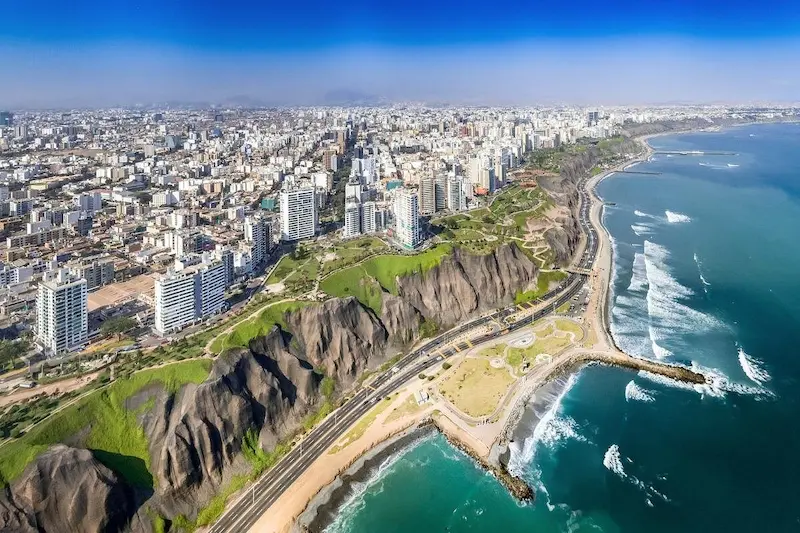
What is Working Travel Peru?
The concept of Working Travel Peru refers to the possibility of traveling across the country while carrying out some type of work activity, whether remotely for a foreign company, through temporary jobs, volunteering exchanges, or digital entrepreneurship.
This travel style allows people to extend their stay, reduce expenses, and enjoy more meaningful experiences. Unlike conventional tourism, working travel involves integrating into the local environment, establishing productive routines, and finding a balance between work responsibilities and exploration.
You might be interested in reading: Llama or alpaca in Peru: what’s the difference?
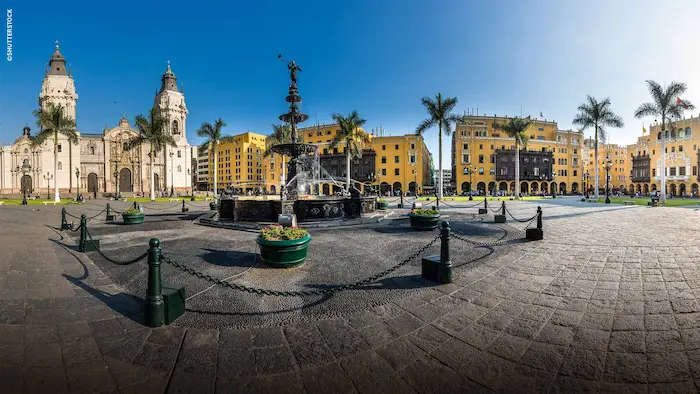
Importance of Working Travel Peru for modern travelers
Working Travel Peru represents a new way of traveling that responds to the needs of contemporary travelers who seek longer, more affordable, and authentic experiences. This model not only allows visitors to explore tourist destinations but also to integrate into local life, develop personal projects, and maintain productivity while discovering new cultural environments.
1. Shift in global travel trends
In recent years, tourism has evolved toward more flexible and personalized experiences. Working travel has emerged as a response to the growth of remote work, the digital economy, and the desire to achieve a better balance between professional and personal life.
2. Deeper cultural experiences
By staying longer in a destination, travelers can gain a better understanding of local culture, learn new languages, participate in traditional festivals, and build more meaningful human connections.
3. Positive impact on local economies
Working travel contributes to the economic development of tourist communities, as travelers consume accommodation services, food, transportation, and cultural activities over extended periods of time.
You might be interested in reading: Ballestas Islands Peru: The Poor Man’s Galápagos

Advantages of Working Travel Peru
Choosing Working Travel Peru as a travel style offers multiple benefits both personally and professionally. This approach allows travelers to transform a conventional tourist experience into a stage of holistic growth, where work, cultural exploration, and skill development naturally come together.
Beyond being a more affordable alternative to traditional travel, working travel provides the opportunity to experience destinations authentically, create real connections with local communities, and adopt more flexible and sustainable lifestyles.
1. Lower travel costs
One of the main advantages of Working Travel Peru is the possibility of significantly reducing travel expenses. By generating income remotely, taking temporary jobs, or participating in volunteer exchange programs, travelers can cover essential needs such as accommodation, food, or transportation.
This makes it possible to extend the duration of the stay without requiring a large initial budget. Additionally, living longer in the same destination helps optimize daily expenses, access local prices, and avoid inflated tourist costs that often affect short-term travelers.
2. Greater flexibility and freedom
Working Travel Peru also stands out for offering a high level of autonomy when organizing time. Unlike traditional trips with rigid itineraries, this travel style allows people to design personalized routines that balance productivity and exploration.
Travelers can work during specific hours of the day and dedicate the rest of their time to discovering new places, joining cultural activities, or simply enjoying natural surroundings. This flexibility encourages a more mindful travel rhythm, reducing stress caused by overloaded schedules and allowing for a deeper connection with each destination.
3. Professional growth and international networking
Another key advantage of Working Travel Peru is its positive impact on professional development. By working from different locations, travelers strengthen skills such as adaptability, intercultural communication, time management, and problem-solving in diverse environments. Moreover, this travel style facilitates the creation of international networks, as many Peruvian destinations attract digital nomads, entrepreneurs, and volunteers from around the world. These connections can lead to future job opportunities, collaborations, or even new personal projects, turning the journey into a transformative experience both professionally and personally.
You might be interested in reading: Holy Week in Ayacucho: Peru’s Most Iconic Celebration
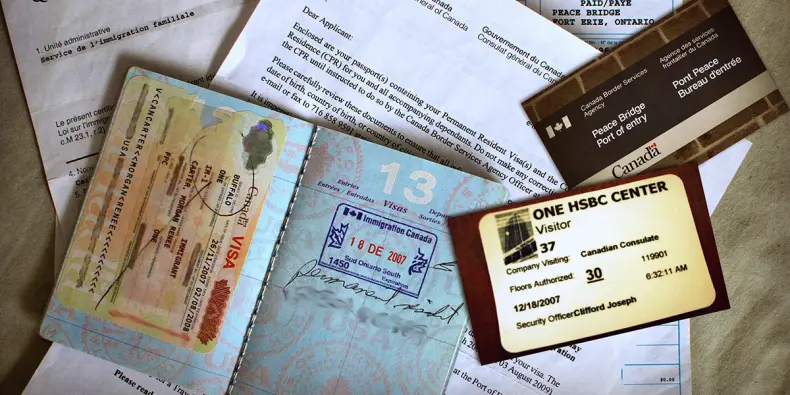
Requirements for Working Travel Peru
Before starting a Working Travel Peru experience, it is important to understand the legal, logistical, and practical requirements that allow travelers to work and stay in the country without complications. Proper preparation ensures a smoother and safer journey.
1. Visa and entry requirements
Most travelers can enter Peru as tourists and stay for up to 90 or 183 days, depending on their nationality. However, this visa generally does not allow formal employment with Peruvian companies.
Travelers who plan to stay longer or work locally should research visa extensions, volunteer agreements, or digital nomad alternatives depending on their situation.
2. Internet connectivity and digital tools
Reliable internet is essential for anyone doing Working Travel Peru. Major cities such as Lima and Cusco offer coworking spaces, cafés with high-speed Wi-Fi, and furnished apartments designed for remote workers.
In smaller towns, connectivity may be slower or unstable, so it is recommended to carry mobile data plans or backup solutions.
3. Health insurance and safety considerations
Having international travel insurance is highly recommended. Long stays increase exposure to minor illnesses, altitude adaptation challenges, or unexpected travel disruptions.
Travelers should also stay informed about safe neighborhoods, emergency services, and local transportation conditions.
You might be interested in reading: Rainbow Mountain in Peru: Travel Guide Cusco 2026

Best cities for Working Travel Peru
Choosing the right destination is one of the most important decisions when planning a Working Travel Peru experience. Each city offers different advantages depending on lifestyle preferences, budget, and work needs. One advantage of maintaining a flexible work schedule is the ability to integrate short trekking experiences into the travel routine. Routes such as the Inti Punku Hike full day are often chosen by remote travelers looking for immersive cultural landscapes without committing to multi-day expeditions.
| City | Lifestyle | Cost level | Internet quality | Best for |
| Lima | Urban & modern | Medium | Excellent | Digital nomads & networking |
| Cusco | Cultural & scenic | Medium | Good | Balanced work & exploration |
| Arequipa | Relaxed & historic | Low–Medium | Good | Long stays & affordability |
| Arequipa | Beach lifestyle | Medium | Variable | Remote creatives & surfers |
1. Lima for digital professionals
Lima is considered the main hub for remote workers doing Working Travel Peru, thanks to its modern infrastructure, reliable internet connectivity, and wide range of professional services. As the country’s economic and technological center, the capital offers numerous coworking spaces, international business environments, and networking opportunities for freelancers, entrepreneurs, and digital nomads.
2. Cusco for cultural immersion
Cusco offers a unique environment for travelers interested in combining productivity with deep cultural experiences during their Working Travel Peru journey. While smaller than Lima, the city provides reliable services, coworking cafés, and accommodation options adapted to long stays.
Many working travelers also use weekends to explore nearby natural attractions that require only short time commitments. Experiences such as the colorful mountain routes included in the Pallay Punchu full day itinerary allow remote workers to disconnect from screens while still maintaining a productive weekly routine.
3. Coastal towns for lifestyle balance
Peru’s coastal towns present an appealing alternative for those seeking a relaxed pace while participating in Working Travel Peru. Destinations like beach communities provide inspiring natural settings, warm climates, and opportunities for outdoor activities such as surfing, yoga, or sunset walks.
This lifestyle can significantly improve work-life balance, helping travelers disconnect from urban stress and adopt healthier daily routines. Accommodation options often include eco-lodges, beachfront hostels, and long-term rental houses suitable for remote workers.
You might be interested in reading: Swimming with Turtles in Máncora: Travel Guide 2026
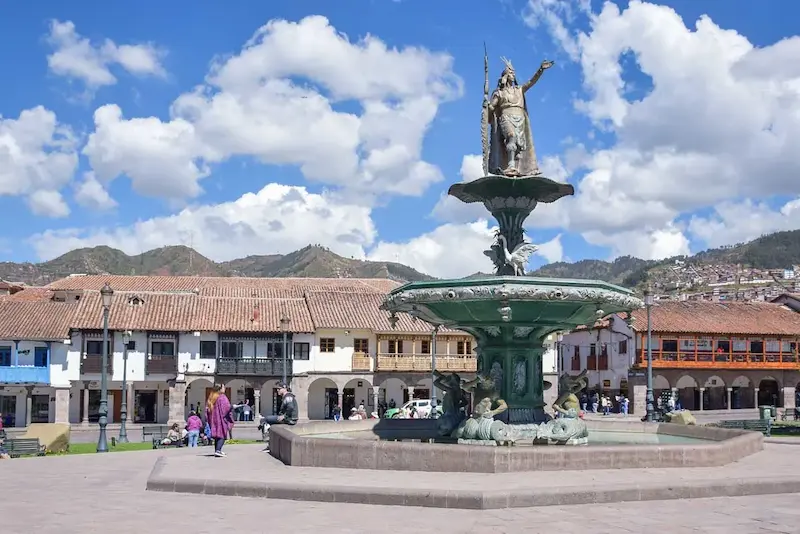
Practical tips for a successful Working Travel Peru experience
Planning ahead can significantly improve both productivity and overall travel satisfaction during a Working Travel Peru journey. While the idea of working from inspiring destinations sounds appealing, maintaining consistency, organization, and adaptability is essential to fully enjoy the experience.
Travelers who prepare strategically can reduce stress, avoid common mistakes, and create a sustainable routine that allows them to explore Peru without negatively impacting their professional responsibilities.
Longer stays also make it easier to organize multi-day cultural trips that strengthen connections with fellow travelers and local guides. For example, some remote workers plan short getaways such as the Colca Canyon Tour 2 days 1 night combining productivity during weekdays with deeper exploration during extended weekends.
1. Create a structured daily routine
Establishing a clear daily schedule is one of the most effective ways to stay productive while traveling. Remote workers often benefit from defining fixed working hours, setting realistic goals, and prioritizing important tasks early in the day when concentration levels are highest.
Many working travelers choose to complete their main responsibilities during the morning and reserve afternoons or evenings for sightseeing, cultural activities, or social experiences. This approach helps maintain a healthy balance between work commitments and personal exploration.
2. Choose destinations based on connectivity
Reliable internet access is a fundamental factor when planning a Working Travel Peru experience. Before relocating to a new city or town, travelers should research Wi-Fi speed, availability of coworking spaces, and mobile network coverage.
Reading recent accommodation reviews and contacting hosts directly can help avoid unpleasant surprises. In some rural or coastal areas, connectivity may vary depending on weather conditions or tourism seasons.
3. Adapt to altitude and climate differences
Peru’s diverse geography can impact both physical well-being and work efficiency. Moving from sea level cities to high-altitude destinations like Cusco may cause fatigue, headaches, or reduced concentration during the first days.
