




Holy Week in Ayacucho is widely recognized as one of the most impressive religious celebrations in Latin America. Every year, thousands of travelers arrive in this historic Andean city to witness a unique fusion of faith, culture, and community.
Located in the Peruvian highlands, Ayacucho is often called the “City of 33 Churches,” a reflection of its deep Catholic heritage. During this sacred season, the entire city transforms into a vibrant stage of devotion, where ancient traditions come alive through processions, rituals, and public gatherings. For visitors seeking an authentic cultural experience, this event offers far more than a typical religious holiday it is a profound immersion into Peruvian identity.
You may be interested in: Rainbow Mountain in Peru: Travel Guide Cusco 2026
What is Holy Week in Ayacucho?
Holy Week in Ayacucho is a religious celebration that commemorates the final days of Jesus Christ, including his passion, death, and resurrection. While these events are observed throughout the Christian world, Ayacucho’s version stands out due to its scale, intensity, and cultural richness, making Holy Week in Ayacucho one of the most important religious events in Peru.
What makes it especially unique is the way Catholic traditions blend with local Andean customs, creating a distinctive expression of faith. This fusion can be seen in the music, decorations, food, and even the organization of events, where entire communities actively participate during Holy Week in Ayacucho.
The celebration extends over more than ten days, combining solemn ceremonies with vibrant public events. Streets fill with people, churches open their doors for special masses, and entire neighborhoods participate in preparations. From early morning rituals to late-night processions illuminated by candles, the city remains active almost around the clock.
This long duration allows visitors to experience a wide range of traditions, from deeply spiritual moments to lively cultural gatherings. As a result, Ayacucho has become one of the most important destinations for this occasion in South America, attracting both pilgrims and travelers seeking an authentic and immersive experience.
History and Cultural Significance
Colonial Origins
The roots of this celebration date back to the 16th century, when Spanish colonizers introduced Catholic traditions to the region. Over time, these practices merged with indigenous beliefs and customs, creating a distinct cultural expression.
This blending of influences is still visible today. Religious imagery, music, and rituals often carry both European and Andean elements, reflecting centuries of cultural exchange.
A Tradition Preserved
Generations of families have preserved these customs, passing down responsibilities for organizing events and maintaining religious artifacts. Community involvement is essential neighbors collaborate to decorate streets, prepare food, and coordinate activities.
This strong sense of continuity ensures that Holy Week in Ayacucho remains not only a religious observance but also a living cultural heritage.
Flight Prices to Ayacucho
| Route | One-way Price | Round-trip Price | Duration | Airlines |
|---|---|---|---|---|
| Lima → Ayacucho | S/120 – S/300 | S/230 – S/400 | ~1 hour | LATAM, Sky |
| Lima → Ayacucho (Holy Week) | S/200 – S/400 | S/350 – S/500 | ~1 hour | LATAM, Sky |
Key insights:
- Flights typically range from $35 – $80 USD in regular season
- Prices increase significantly during peak dates like Holy Week
- Average flight time is about 1 hour
- Booking early helps secure better deals
You may be interested in: Swimming with Turtles in Máncora: Travel Guide 2026
Where to Stay in Ayacucho
| Accommodation Type | Price per Night | What to Expect |
|---|---|---|
| Budget hostels | S/40 – S/80 | Basic amenities, good location |
| 2–3 star hotels | S/80 – S/180 | WiFi, breakfast included |
| 3–4 star hotels | S/180 – S/350 | More comfort, central location |
| Airbnb / apartments | S/120 – S/300 | Ideal for groups or longer stays |
Tips:
- Prices can increase 30%–80% during Holy Week
- Book at least 1–2 months in advance
- Staying near the main square (Plaza de Armas) is highly recommended
Main Events and Activities
Daily Processions
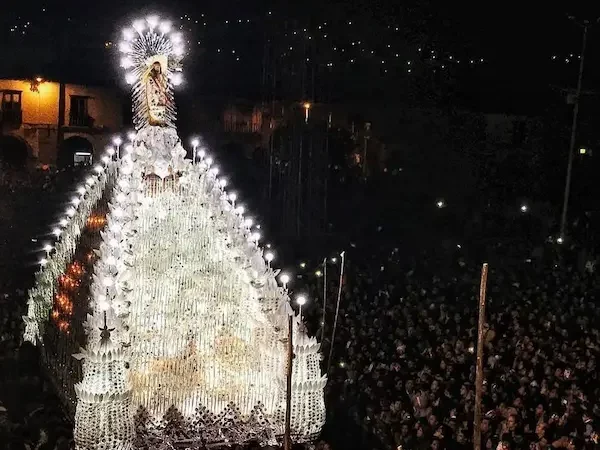
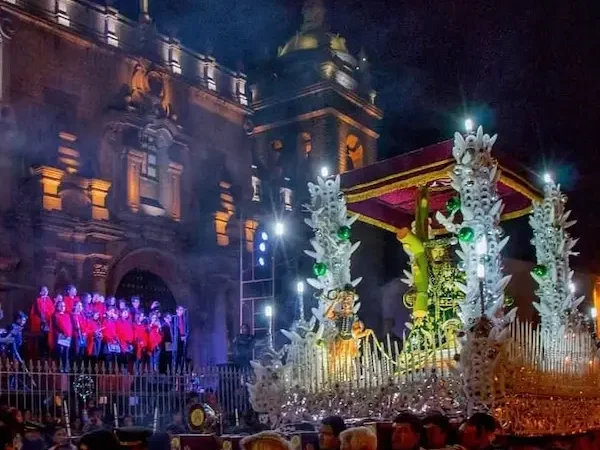
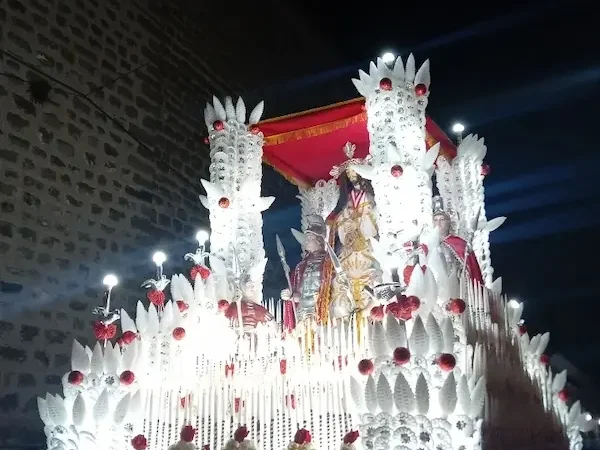
One of the defining features of Holy Week in Ayacucho is the series of daily processions. Each day, a different religious image is carried through the streets on elaborately decorated platforms, often adorned with flowers, candles, and intricate details. Participants dress in traditional clothing, and the air fills with music, incense, and prayers.
These processions attract large crowds and create a powerful atmosphere of collective devotion. Visitors often describe them as both solemn and visually striking. During Holy Week in Ayacucho, these daily events are not only religious acts but also important cultural expressions that bring the entire community together.
Palm Sunday
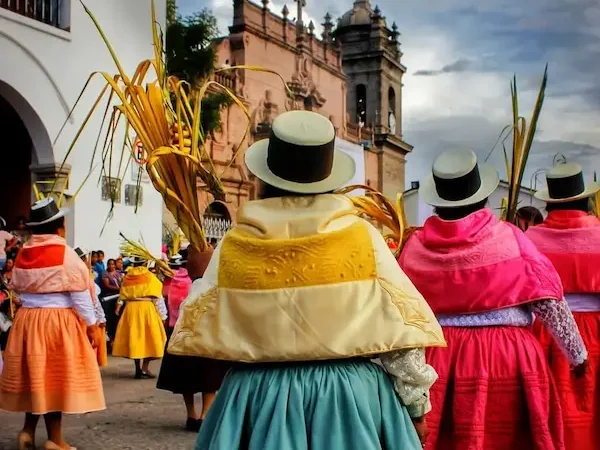
The celebration begins with Palm Sunday, which marks the arrival of Jesus in Jerusalem. Locals gather with palm branches, and the first major processions take place throughout the city. Churches become central gathering points, and families participate together in this symbolic moment.
This day signals the official start of the festivities and draws an increasing number of visitors to the city, marking the beginning of Holy Week in Ayacucho as a major cultural and religious event.
Holy Thursday
On Holy Thursday, one of the most important traditions is the visit to seven churches. This symbolic journey represents the path taken by Jesus before his crucifixion. Many people walk through the city late into the night, visiting temples and participating in prayers.
During Holy Week in Ayacucho, this tradition creates a unique nighttime atmosphere, as streets remain active with pilgrims, candles, and quiet reflection. It is both a spiritual and social experience that connects locals and visitors alike.
Good Friday
Good Friday is a deeply emotional moment. The procession of the “Cristo Yacente” (the recumbent Christ) represents mourning and reflection. Streets become quieter, and the atmosphere turns solemn as participants contemplate the significance of the day.
This is considered one of the most intense moments of Holy Week in Ayacucho, where silence, respect, and devotion take center stage. The visual impact of the procession, combined with the emotional weight of the occasion, makes it unforgettable for those who attend.
Easter Sunday
The celebration reaches its peak on Easter Sunday. Before sunrise, a massive procession takes place in the main square, where a large image of the resurrected Christ is carried through a sea of people. Fireworks illuminate the sky, church bells ring loudly, and crowds gather to celebrate the resurrection.
This joyful and energetic moment marks the culmination of Holy Week in Ayacucho, symbolizing hope, renewal, and community.
You may be interested in: What to pack for Machu Picchu 2026: complete packing list
Unique Traditions
Flower Carpets
One of the most visually stunning traditions is the creation of intricate carpets made from flowers and colored sawdust. These designs cover the streets and display artistic patterns, religious symbols, and cultural motifs.
Although they take hours to create, they are intentionally temporary, as processions pass over them. This symbolizes the fleeting nature of life and the importance of devotion.
Traditional Food
Gastronomy plays a key role during this time. Local families prepare traditional dishes, especially on specific days of the celebration. Meals often include soups, fish, and regional specialties, reflecting both religious customs and local ingredients.
Food becomes a way for communities to gather, share, and celebrate together.
Music and Cultural Events
In addition to religious ceremonies, the city hosts cultural events such as concerts, fairs, and traditional dances. Musicians and performers contribute to the festive atmosphere, offering visitors a broader perspective on local culture.
Why Visit This Celebration?
Cultural Immersion
This event provides a deep cultural experience that goes beyond tourism. Visitors can observe traditions that have been preserved for centuries and interact with local communities in meaningful ways.
Photography Opportunities
From candlelit processions to colorful street decorations, the visual appeal is extraordinary. Photographers find endless inspiration in the contrasts of light, color, and emotion.
Spiritual and Emotional Impact
Even for those who are not religious, the sense of unity and devotion can be deeply moving. The shared experience among thousands of participants creates a powerful emotional connection.
Travel Tips
When to Go
Holy Week in Ayacucho usually takes place between March and April, depending on the liturgical calendar. Planning ahead is essential, as this is the busiest time of the year for the city.
Accommodation
Hotels and hostels fill up quickly. Booking several weeks or even months in advance is highly recommended to secure a good location.
What to Bring
Visitors should pack comfortable walking shoes, as many activities involve long walks through the city. A camera is also essential to capture the experience, along with respectful attire suitable for religious settings.
You may be interested in: Festivals in Cusco 2026: the ultimate guide to the most important celebrations
FAQ of Holy week in Ayacucho
What is Holy Week in Ayacucho?
Holy Week in Ayacucho is one of the most important religious celebrations in Peru, commemorating the passion, death, and resurrection of Jesus Christ through processions, rituals, and cultural events.
When does Holy Week in Ayacucho take place?
Holy Week in Ayacucho usually takes place between March and April, depending on the liturgical calendar. The main events occur from Palm Sunday to Easter Sunday.
Why is Holy Week in Ayacucho famous?
Holy Week in Ayacucho is famous for its large-scale processions, rich traditions, and unique blend of Catholic and Andean culture, making it one of the most impressive celebrations in Latin America.
How long does Holy Week in Ayacucho last?
Holy Week in Ayacucho lasts more than ten days, including pre-celebrations and major events that take place throughout the entire week leading up to Easter.
What are the main events during Holy Week in Ayacucho?
The main events during Holy Week in Ayacucho include daily processions, Palm Sunday celebrations, the visit to seven churches on Holy Thursday, the Good Friday procession, and the Easter Sunday celebration.
Final Thoughts
Holy Week in Ayacucho stands out as one of the most remarkable cultural and religious events in Peru. Its combination of history, tradition, and community participation creates an unforgettable experience for anyone who attends.
Beyond its religious significance, this celebration represents the soul of Ayacucho itself. It is a time when generations come together, when ancestral customs are preserved, and when the city opens its doors to visitors from around the world. The streets, filled with music, devotion, and color, reflect a powerful sense of identity that goes far beyond a single event.
What makes this experience truly unique is the balance between solemnity and celebration. Visitors can witness deeply emotional moments during processions and, just hours later, enjoy vibrant cultural expressions such as food fairs, artisan markets, and live performances. This duality creates a dynamic atmosphere that appeals to both spiritual travelers and cultural explorers.
In addition, the setting enhances the experience. Surrounded by the Andes and enriched by colonial architecture, Ayacucho provides a stunning backdrop that adds authenticity and visual beauty to every moment. From sunrise ceremonies to late-night traditions, each part of the day offers something meaningful and memorable.
Whether you are interested in culture, spirituality, photography, or travel, this celebration offers a unique opportunity to witness living traditions in one of the most historic cities in the Andes. Attending this event is not just about observing it is about being part of a shared experience that leaves a lasting impression long after the festivities end.
