




I’ve always believed that some places in the world are best discovered on foot, where every step reaveals a new layer of beauty, history and connection to the earth. Cuzco, Peru, is one of those places. When I first set out to explore its trails, I wasn’t just looking for a physical challenge—I wanted to feel the pulse of the Andes, to walk paths carved by ancient civilizations and surrounded by breathtaking landscapes. What I found was beyond my expectations: trekking in Cusco is a journey throught time, nature, and self-discovery.
Why trekking in Cuzco should be on your List
Cuzco isn’t just a gateway to Machu Picchu—it’s a trekking paradise in its own right. Nestled in the heart of the Andes, this region blends rugged mountain trails with rich cultural heritage. The air here feels different, crisp and alive, as you walk through valleys once tread by the Incas.
Trekking in Cuzco isn’t just about the exercise; it’s about immersing yourself in Peruvian natural landscapes that shift from golden plains to misty peaks. For anyone craving adventure hikes, this is where you’ll find them—routes that test your stamina while rewarding you with views that feel almost otherworldly. I’ve hiked in many places, but there’s something about Cuzco’s trails that keeps pulling me back. Maybe it’s the history whispering through the stones, or maybe it’s the sheer diversity of the terrain. Whatever it is, these five routes stand out as the best way to experience it.
You might be interested in reading: Ica Ancestral Enigma
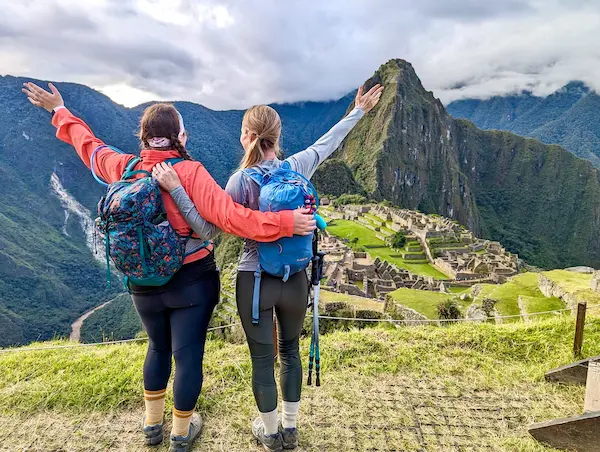
1. The Classic Inca trail to Machu Picchu
If there’s one trek that defines trekking in Cuzco, it’s the Inca Trail. This 26-mile journey isn’t just a hike—it’s a pilgrimage through history. Starting at Kilometer 82, you’ll wind through cloud forests, alpine tundra, and ancient ruins before reaching the Sun Gate at dawn, where Machu Picchu unfolds below like a dream. The trail’s popularity means you’ll need to book months ahead, but trust me, it’s worth it. The mountain trails here are steep and uneven, but every climb reveals Peruvian natural landscapes that make your heart race—lush valleys, snow-capped peaks, and the occasional llama grazing nearby.
I remember my first day on this trail, the weight of my pack digging into my shoulders as I climbed toward Dead Woman’s Pass, the highest point at 13,828 feet. The air was thin, but the views? Endless. This is one of those adventure hikes that demands preparation—good boots, stamina, and a willingness to push through. It takes four days, though shorter two-day options exist. Along the way, you’ll pass sites like Wiñay Wayna, a stunning Inca ruin perched on a hillside. For anyone seeking the ultimate trekking in Cuzco experience, this is it.
2. The Salkantay Trek: A Wild Alternative
For those who want a less crowded option, the Salkantay Trek is a gem among adventure hikes. This 46-mile route takes you past the towering Salkantay Mountain (20,574 feet), through remote villages, and into the humid jungle before ending at Machu Picchu. It’s wilder and more demanding than the Inca Trail, with mountain trails that climb to 15,090 feet at Salkantay Pass. The Peruvian natural landscapes here are jaw-dropping—think glacial lakes, rugged cliffs, and coffee plantations as you descend.
I did this trek with a small group, and the moment we reached the pass, surrounded by snow-dusted peaks, I felt tiny yet invincible. It’s a five-day journey, though you can stretch it to seven for a slower pace. The Salkantay Trek is perfect for those who love untamed beauty and don’t mind roughing it—campsites replace the Inca Trail’s manicured stops. If you’re up for a challenge, this is trekking in Cuzco at its rawest and most rewarding.
You might be interested in reading: What to pack for the inca trail 2025
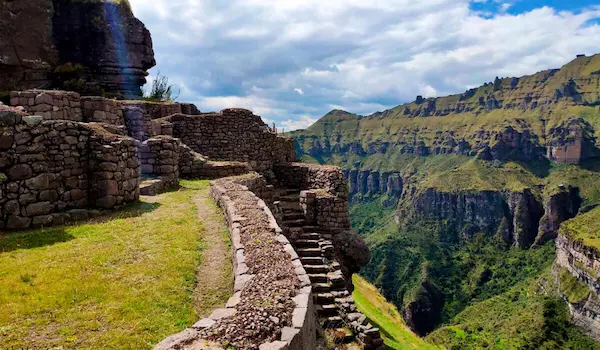
3. The Waqrapukara Trek: Off the Beaten Path
Exploring Hidden Mountain Trails
Lesser-known but equally stunning, the Waqrapukara Trek is a hidden treasure for adventure hikes. This 12-mile round-trip takes you to a pre-Inca fortress perched at 13,580 feet, shaped like horns against the sky. The trail starts near Sangarará village, winding through rolling hills and narrow mountain trails. The Peruvian natural landscapes here are quieter—golden grasslands stretch out, dotted with grazing alpacas, and the silence feels almost sacred.
I tackled this one as a day hike, though some camp overnight to catch the sunrise. The Waqrapukara Trek isn’t as grueling as others, but the altitude can sneak up on you. Reaching the fortress, with its weathered stone walls and panoramic views, felt like stepping into a forgotten world. It’s not as polished as Machu Picchu, and that’s its charm. For trekking in Cuzco that feels personal and untouched, this route is a must.
What Makes Waqrapukara Unique?
Unlike the heavily touristed trails around Cuzco, Waqrapukara retains an air of solitude. Few travelers venture here, meaning you might have the site to yourself, save for the occasional condor soaring overhead. The fortress itself is an enigma—some historians believe it was an Inca sanctuary, while others argue it served as a military outpost. Standing among its ruins, it’s easy to see why it remains shrouded in mystery.
The final ascent to Waqrapukara trekking is steep but rewarding. At the summit, a breathtaking 360-degree view unfolds, revealing deep canyons and distant snow-capped peaks. Unlike famous archaeological sites, there are no fences or crowds—just you and the echoes of a lost civilization. As the afternoon light shifted, casting long shadows over the stone structures, I felt a profound connection to the past, one that no tour guide or history book could fully capture.
For those seeking a trek that blends adventure, cultural discovery, and a true sense of exploration, Waqrapukara is an unmissable experience.
You might be interested in reading: Inca trail vs Salkantay trek 2025
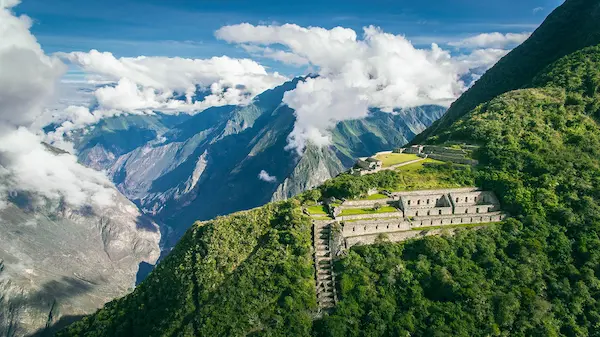
4. The Choquequirao Trek: The Lost City Challenge
If you’re drawn to adventure hikes that feel like expeditions, the Choquequirao Trek is for you. This 38-mile round-trip leads to Choquequirao, an Inca city often called Machu Picchu’s “sister.” Tucked into a steep mountainside at 9,950 feet, it’s remote and rarely visited—only 30% has been excavated. The mountain trails here are brutal, plunging into the Apurímac Canyon and climbing back up, with elevation gains of over 6,000 feet.
My legs ached after the first day, but the Peruvian natural landscapes kept me going—deep valleys, rushing rivers, and terraces carved into cliffs. It’s a four-day minimum, though I stretched it to five to explore the ruins. The Choquequirao Trek demands fitness and grit, but standing amid those ancient stones, with no crowds, felt like a privilege. For trekking in Cuzco that’s raw and unspoiled, this is unbeatable.
What to Expect Along the Journey
Unlike the well-maintained Inca Trail, Choquequirao’s path is rugged and often overgrown, making it feel even more remote. Mules are essential for carrying supplies, and small campsites dot the route, offering basic but much-needed shelter. I met a group of local arrieros (muleteers) who shared their chicha de jora, a fermented corn drink that has fueled Andean travelers for centuries.
The ruins themselves feel untouched—there are no ropes, no crowds, just moss-covered terraces cascading down the mountain. At sunrise, mist swirled through the stone corridors, revealing intricate carvings and usnu platforms that once hosted sacred ceremonies. Many believe Choquequirao was a final stronghold of the Incas, resisting Spanish conquest longer than other sites. Exploring it at my own pace, with nothing but the sound of the wind and distant waterfalls, made every grueling step worth it.
5. The Ausangate Trek: A High-Altitude Marvel
The Ausangate Trek is for those who crave high-altitude adventure hikes. This 43-mile loop circles Ausangate Mountain (20,945 feet), one of Peru’s tallest peaks and a sacred site for locals. You’ll cross passes over 16,400 feet, skirt rainbow-colored mountains, and soak in hot springs—all surrounded by Peruvian natural landscapes that feel surreal. The mountain trails are rocky and exposed, with unpredictable weather, so preparation is key.
I did this over six days, camping under stars so bright they seemed within reach. The Vinicunca Rainbow Mountain, a highlight, dazzled with its stripes of red, yellow, and green. The Ausangate Trek is tough—altitude sickness is a real risk—but the solitude and beauty make it one of the best routes for trekking in Cuzco. It’s a test of endurance, but the rewards are unmatched.
You might be interested in reading: Tahuantinsuyo: The rise, splendor, and fall of the Inca empire
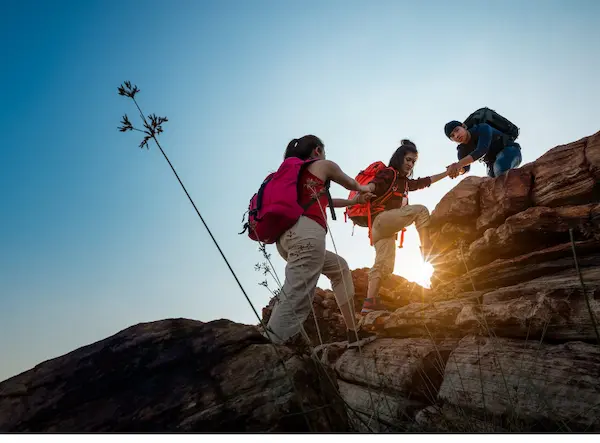
Tips for Trekking in Cuzco
Trekking in Cuzco isn’t just about endurance—it’s about preparation, respect for nature, and immersing yourself in the region’s rich history. Here are some key tips to make your adventure both enjoyable and responsible.
1. Acclimatization Is Non-Negotiable
At 3,400 meters (11,152 feet) above sea level, Cuzco demands that you take altitude seriously. Spend at least two to three days in the city before embarking on high-altitude treks. Coca tea and soroche (altitude sickness) pills help, but hydration and avoiding alcohol are even more effective. If possible, take short hikes to places like Tambomachay or the Temple of the Moon to let your body adjust gradually.
2. Choosing the Right Trail for Your Level
Cuzco offers a range of trekking experiences, from the well-trodden Inca Trail to the rugged, remote routes leading to Ausangate or Lares. If you’re up for a multi-day challenge, Salkantay is a stunning alternative to the Inca Trail, offering glacial lakes, high passes, and fewer crowds. For those who seek solitude, the Vilcabamba trek takes you through the last strongholds of the Incas, untouched by mass tourism.
3. Gear Up Like a Pro
The Andean weather can shift from scorching sun to freezing winds in hours. Pack moisture-wicking base layers, an insulated jacket, and a rain shell. High-quality trekking boots are a must—Cusco’s rocky, uneven trails demand ankle support. Trekking poles are lifesavers on steep descents, reducing strain on knees, especially in places like the descent from Dead Woman’s Pass on the Inca Trail.
4. The Reality of Permits and Logistics
Popular treks like the Inca Trail require permits that sell out months in advance. Book at least six months ahead, especially if planning for the high season (May–September). Independent trekking is possible on routes like Salkantay, but for trails like Choquequirao, having a guide is highly recommended due to the difficulty of the terrain and the remoteness of the site.
5. Trekking Etiquette: Leave No Trace
Cuzco’s trails are as much about preservation as they are about adventure. Stay on marked paths to prevent erosion, avoid single-use plastics, and carry all your waste back to Cuzco. Many local communities rely on these ecosystems for water and farming—respect their land as if it were your own.
6. Hidden Gems Along the Way
If your itinerary allows, take a detour to Humantay Lake on the Salkantay route—it’s one of the bluest alpine lakes in Peru. For those seeking untouched ruins, the Huchuy Qosqo trek offers a relatively easy hike with rewarding views of an Inca site above the Sacred Valley.
Trekking in Cuzco is more than a physical challenge—it’s a journey through history, nature, and cultural heritage. Prepare well, respect the land, and let the mountains reveal their stories to you.
Why These Routes Stand Out
Each of these routes offers a unique slice of trekking in Cuzco. The Inca Trail blends history with iconic views, Salkantay delivers raw wilderness, Waqrapukara Trek unveils hidden gems, Choquequirao Trek challenges your limits, and Ausangate dazzles with high-altitude splendor. Together, they showcase the diversity of Peruvian natural landscapes and the thrill of mountain trails. Whether you’re after cultural immersion or a physical test, these adventure hikes have it all. I’ve walked them, felt their highs and lows, and can say they’re worth every blister.
Conclusion
After months of trekking in Cuzco, I can still hear the crunch of gravel underfoot and feel the chill of Andean winds. These five routes aren’t just paths–they’re experiences that linger, blending adventure with the kinf of beauty that stops you in your tracks. From the well-trodden Inca Trail to the remote Choquequirao Trek, each one taught me something new about myself and this incredible region. If you’re hesitating, don’t. Lace up your boots, pick a trail, and go explore. Cuzco’s mountains are calling!
