




Peru is widely recognized as one of the world’s most exciting culinary destinations, and its gastronomy has become a powerful reason for travelers from the United States to explore the country. Traditional peruvian food is not only about recipes; it represents centuries of cultural exchange, biodiversity, and ancestral knowledge passed down through generations. Every dish reflects Peru’s geography, history, and people, making food an essential part of the travel experience.
For American travelers seeking authentic flavors, traditional food offers a rare combination of comfort and discovery. Familiar ingredients such as chicken, beef, corn, and potatoes are transformed through unique spices, techniques, and presentations that feel both approachable and exotic. This guide explores what makes Peruvian cuisine special, which dishes to try, and where to experience the most authentic flavors across the country.
You might be interested in reading: What to do in Lima for a day: 15 local experiences
What defines traditional peruvian food
Traditional peruvian food is defined by diversity, fusion, and respect for local ingredients. Peru is one of the most biodiverse countries in the world, and that richness is directly reflected in its cuisine.
Ancient roots and indigenous ingredients
Long before Spanish colonization, Peru’s ancient civilizations cultivated crops that are now global staples. Potatoes, corn, chili peppers, cacao, and quinoa were central to indigenous diets. These ingredients continue to be the foundation of peruvian food, prepared using techniques that date back thousands of years.
Cultural fusion through history
Spanish colonization introduced wheat, rice, dairy products, and livestock. Later, African, Chinese, and Japanese immigrants added new cooking styles and flavors. This blend created unique culinary traditions such as Chifa (Chinese-Peruvian cuisine) and Nikkei (Japanese-Peruvian cuisine), which are now essential parts of traditional food.
You might be interested in reading: 4 days in lima for food lovers: a culinary itinerary
Why traditional peruvian food is famous worldwide
In recent decades, Peru has gained international recognition as a gastronomic powerhouse. This global reputation is built on authenticity, creativity, and respect for tradition. The country’s diverse geography, ranging from the Andes mountains to the Amazon rainforest, provides an abundance of unique ingredients. Chefs are inspired by indigenous culinary practices, blending ancient techniques with modern innovation.
Food festivals and culinary competitions further highlight Peru’s vibrant food scene, attracting chefs and food enthusiasts from around the globe. Additionally, the rise of Peruvian restaurants in major cities has made it easier for people to experience this rich culinary heritage.
Global awards and culinary prestige
Lima has been repeatedly named one of the world’s top food capitals, and Peruvian chefs have received international awards. Despite modern innovation, traditional peruvian food remains at the heart of this success, serving as inspiration for contemporary cuisine.
A cuisine shaped by geography
Peru’s coast, Andes, and Amazon rainforest each contribute unique flavors. This geographical diversity allows traditional peruvian food to offer an unmatched variety of dishes, textures, and aromas that appeal strongly to travelers from the United States.
Iconic dishes of traditional peruvian food
No exploration of traditional peruvian food is complete without understanding its most emblematic dishes. These recipes are deeply rooted in everyday life and cultural identity.
Ceviche: the symbol of Peru
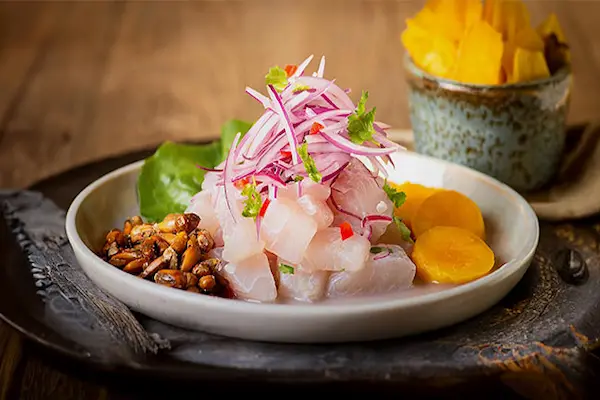
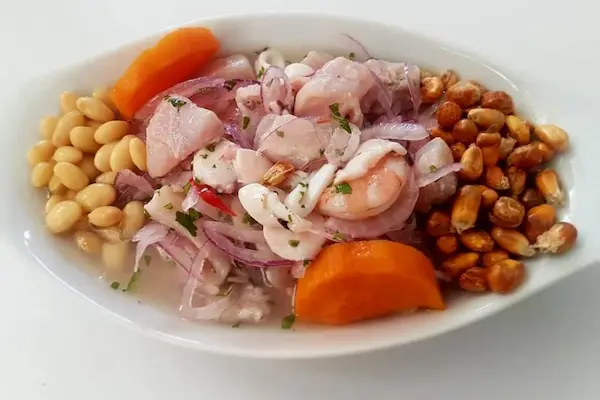
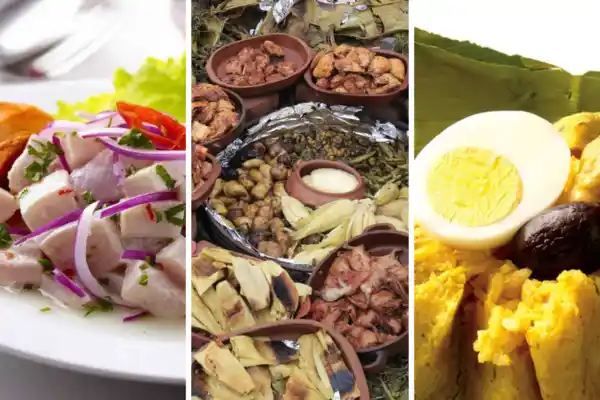
Ceviche is Peru’s national dish and a cornerstone of traditional peruvian food. Fresh fish is marinated in lime juice, combined with red onion, chili pepper, and cilantro. It is typically served with corn and sweet potato, balancing acidity and texture.
Lomo saltado: a fusion classic
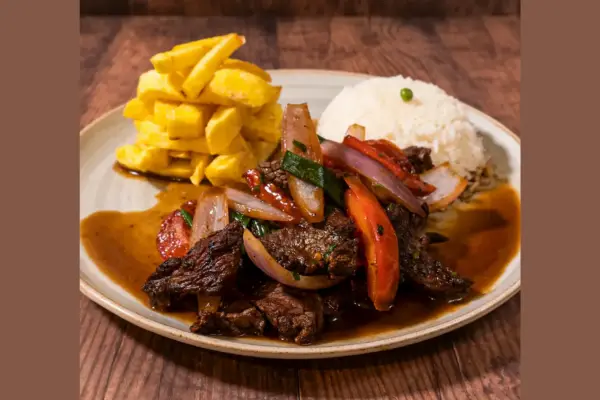
Lomo saltado is a stir-fried beef dish that perfectly represents Peru’s cultural fusion. Beef, onions, tomatoes, soy sauce, and spices are cooked over high heat and served with rice and fries. This dish is one of the most popular expressions of traditional food among international visitors.
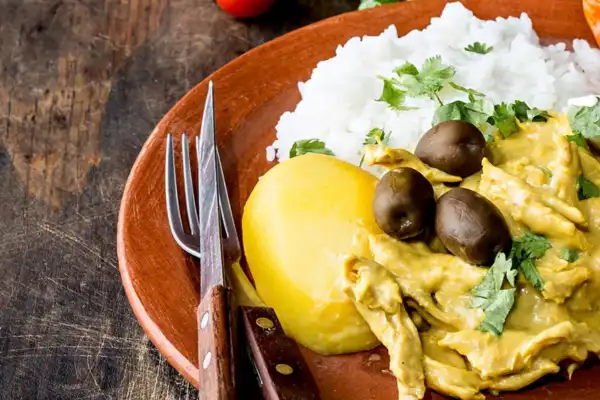
Ají de gallina: creamy and comforting
Ají de gallina is a rich chicken stew made with yellow chili peppers, bread, milk, walnuts, and cheese. Mildly spicy and deeply comforting, it is often considered a favorite introduction to traditional peruvian food for first-time travelers.
Regional diversity in traditional peruvian food
One of the most remarkable aspects of traditional peruvian food is how it changes across regions. Each area has its own specialties shaped by climate, altitude, and local products.
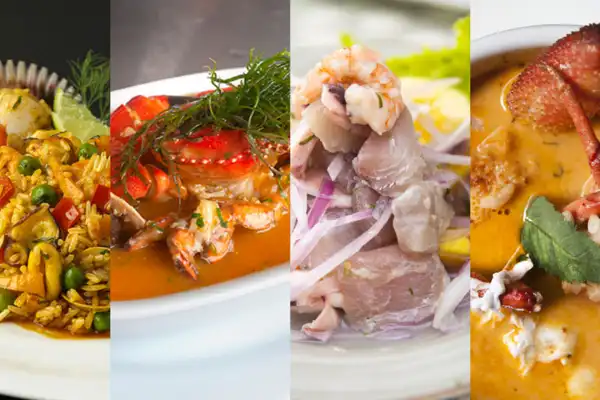
Coastal cuisine: fresh and vibrant flavors
The Peruvian coast is famous for seafood-based dishes. Alongside ceviche, dishes like tiradito, arroz con mariscos, and causa rellena dominate coastal menus. Coastal peruvian food emphasizes freshness, citrus flavors, and minimal cooking.
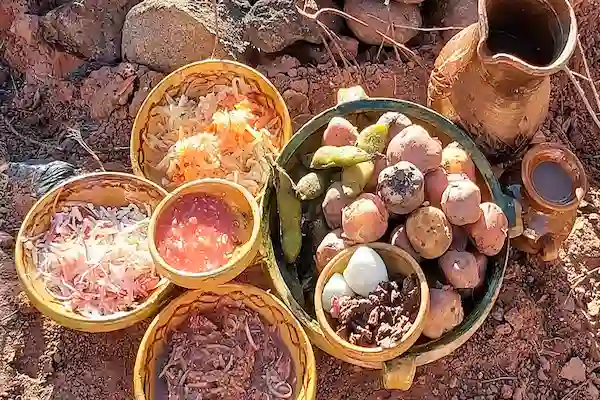
Andean cuisine: hearty and ancestral
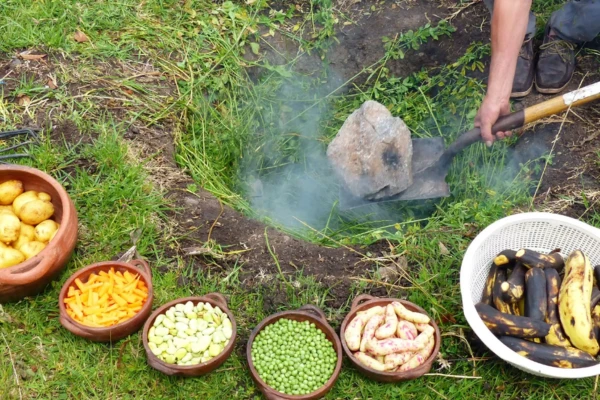
In the Andes, traditional peruvian food becomes more filling and rustic. Ingredients such as potatoes, corn, and alpaca meat are common. Dishes like pachamanca, which is cooked underground with hot stones, reflect ancient Andean traditions.
Many travelers exploring Andean cuisine choose to organize their trip with a Peru travel agency, allowing them to combine food experiences with cultural visits, local markets, and community-based tourism.
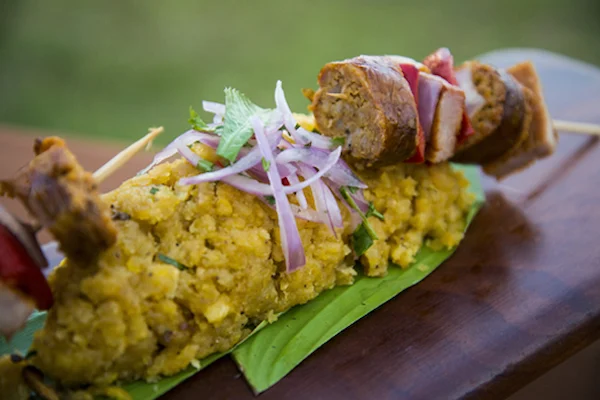
Amazonian cuisine: bold and earthy
Amazonian traditional peruvian food is less known internationally but equally fascinating. Dishes rely on river fish, plantains, cassava, and jungle herbs. Juane and tacacho con cecina are examples of flavors that feel completely different from coastal or Andean cuisine.
Where to taste authentic peruvian food
Knowing where to eat is essential for experiencing the true essence of traditional peruvian food. Authentic flavors are found in both humble and refined settings.
Local markets and street food
Local markets are among the best places to try traditional peruvian food. Fresh ingredients, home-style cooking, and affordable prices make them ideal for travelers seeking authenticity. Street food such as anticuchos and empanadas offers insight into everyday Peruvian life.
Traditional restaurants and family kitchens
Family-run restaurants often preserve recipes passed down through generations. These establishments prioritize flavor and tradition over presentation, making them ideal for tasting traditional peruvian food as locals do.
In Cusco, many visitors align their culinary exploration with Machu Picchu tours, ensuring that iconic historical experiences are paired with authentic regional cuisine during their stay.
You might be interested in reading: Glamping in the Desert: A Magical Escape Beneath the Peruvian Stars
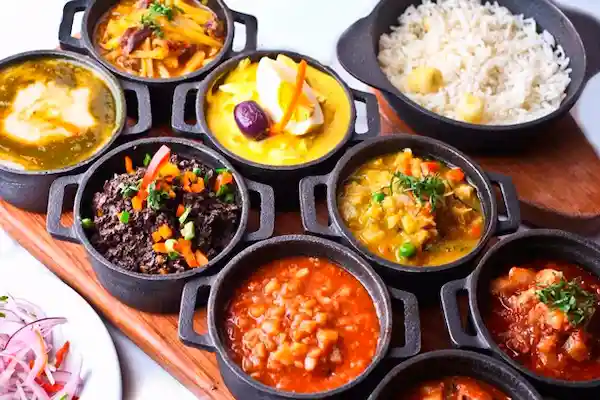
The role of food in Peruvian culture
Food plays a central role in Peruvian identity. Traditional peruvian food is deeply connected to family, celebration, and national pride.
Food as a social ritual
Meals are often shared experiences, especially during weekends and holidays. Preparing and eating traditional peruvian food strengthens family bonds and reinforces cultural traditions.
Festivals and culinary celebrations
Food festivals such as Mistura celebrate Peru’s culinary diversity. These events highlight regional dishes, native ingredients, and innovative interpretations of traditional peruvian food, attracting visitors from across the globe.
Southern Peru and its culinary heritage
Southern Peru is known for some of the boldest flavors in the country. The region’s cuisine is spicy, hearty, and deeply traditional.
Arequipa and its picanterías
Arequipa is considered one of Peru’s gastronomic capitals. Its traditional picanterías serve dishes like rocoto relleno, chupe de camarones, and adobo. These meals represent some of the purest forms of traditional peruvian food.
Travelers interested in exploring this culinary heritage often complement their experience with Arequipa tours, which include visits to local markets, traditional kitchens, and historical neighborhoods.
Unique cooking techniques
Southern traditional peruvian food relies on slow cooking, stone grinding, and locally grown chili peppers. These techniques preserve flavor and maintain a strong connection to ancestral practices.
You might be interested in reading: Short vs Long Trekking Tours in the Peruvian Andes
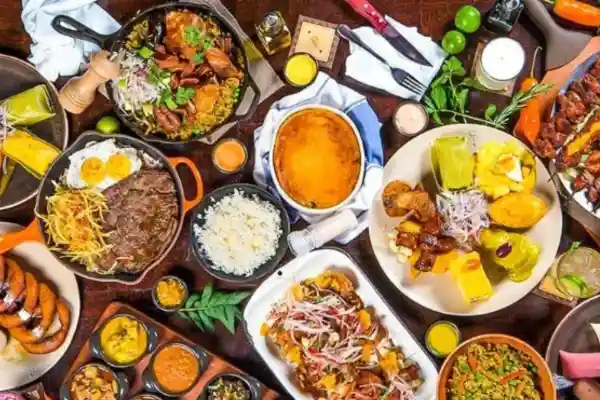
Traditional peruvian food and American travelers
Traditional peruvian food resonates strongly with travelers from the United States because it balances familiarity with novelty.
Familiar ingredients, new flavors
Chicken, beef, potatoes, and rice are common in traditional peruvian food, making it approachable. At the same time, Peruvian spices, sauces, and cooking methods introduce exciting new tastes.
Growing popularity in the U.S.
Peruvian cuisine is increasingly visible in American cities. This exposure encourages travelers to seek out authentic traditional peruvian food in Peru itself, where flavors are deeper and ingredients fresher.
Health benefits of traditional peruvian food
Beyond flavor, traditional peruvian food offers nutritional benefits thanks to its use of natural ingredients.
Native superfoods
Ingredients such as quinoa, purple corn, and potatoes are rich in nutrients. These elements have been part of traditional peruvian food for centuries and are now recognized globally for their health benefits.
Balanced meals
Many traditional dishes combine protein, carbohydrates, and vegetables in balanced portions, making traditional peruvian food both satisfying and nourishing.
Tips for enjoying traditional peruvian food safely
Travelers can fully enjoy traditional peruvian food by following a few simple precautions.
Start with cooked dishes
For newcomers, beginning with cooked meals can help the body adjust. Gradually exploring raw or spicy dishes ensures a comfortable experience.
Choose reputable locations
Busy markets and popular restaurants usually offer the freshest ingredients. These places are often the best choices for enjoying traditional peruvian food safely.
You might be interested in reading: Peru Travel Guide: Essential Tips for Your Journey
Final thoughts on traditional peruvian food
Traditional peruvian food is more than a culinary experience; it is a journey through history, culture, and biodiversity. Each dish tells a story of ancient civilizations, migration, and adaptation. From coastal ceviche to Andean stews and Amazonian specialties, Peru’s cuisine reflects the soul of the country.
For travelers from the United States, discovering traditional peruvian food is one of the most rewarding ways to connect with Peru. Whether through local markets, family-run restaurants, or guided travel experiences, Peru’s flavors leave a lasting impression that extends far beyond the plate.
