

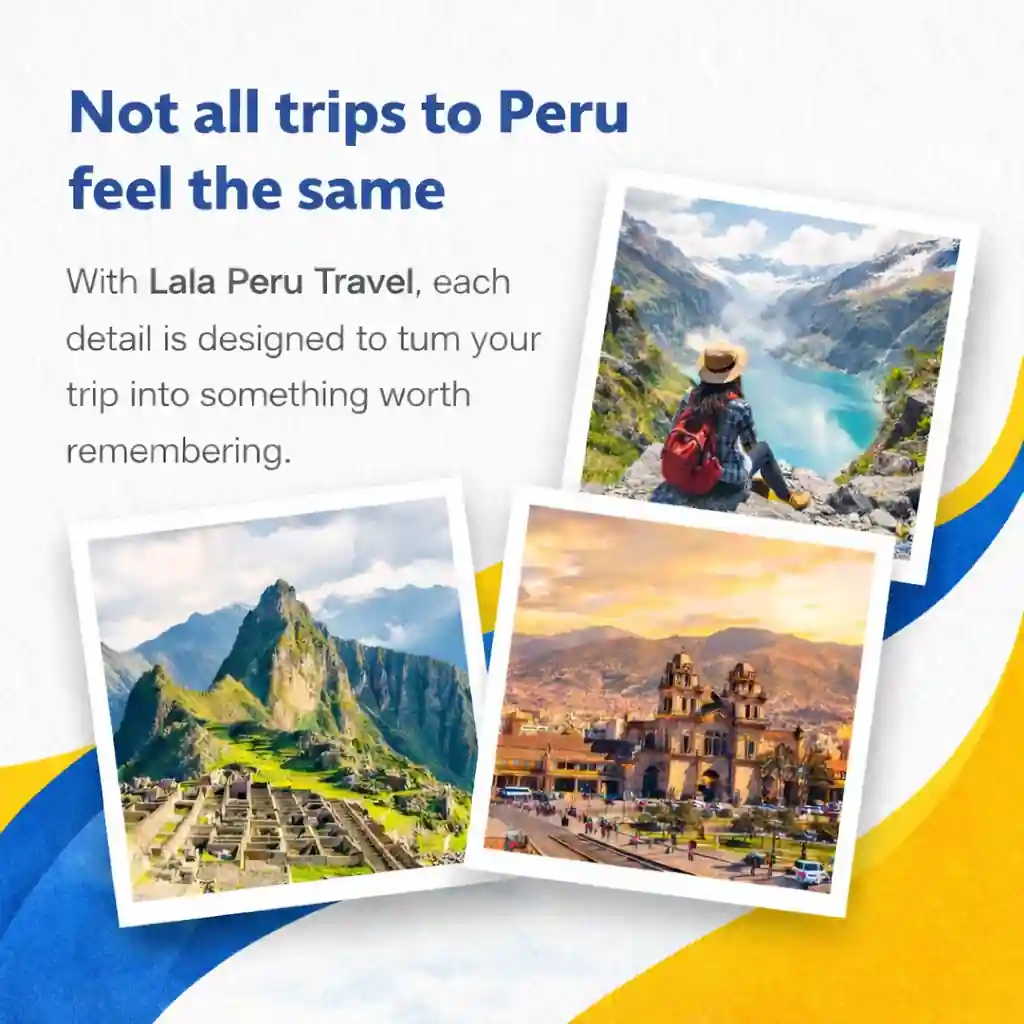


Peru is a country of contrasts, where history, culture, and nature combine in ways that captivate every traveler. From the modern streets of Lima to the ancient ruins of the Andes and the lush Amazon rainforest, Peru offers diverse experiences for adventure seekers, history enthusiasts, and cultural explorers alike.
A Peru travel guide helps navigate this richness, offering insight into both iconic sites and hidden treasures, ensuring every journey is meaningful.Peru is a country of contrasts, where history, culture, and nature combine in ways that captivate every traveler. From the modern streets of Lima to the ancient ruins of the Andes and the lush Amazon rainforest, Peru offers diverse experiences for adventure seekers, history enthusiasts, and cultural explorers alike. A Peru travel guide helps navigate this richness, offering insight into both iconic sites and hidden treasures, ensuring every journey is meaningful.
You may also be interested in: Why Organos Beach in Peru should be on your travel list
Why Peru Should Be on Every Traveler’s List
Peru travel guide captivates travelers not only with its iconic landmarks but also with its layered history, diverse landscapes, and vibrant communities. Each region offers unique experiences, from ancient ruins and soaring mountains to lush jungles and colorful festivals. Understanding what makes Peru travel guide extraordinary helps visitors appreciate its depth and richness before diving into specific highlights.
A Rich Historical Legacy
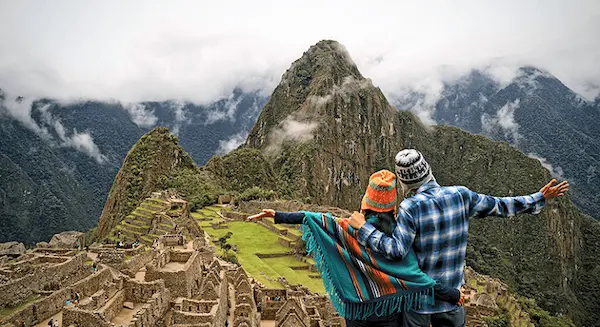
Peru travel guide stands as one of the cradles of civilization in the Americas. The Inca Empire is the most famous, but earlier cultures such as the Moche, Nazca, and Chavín left remarkable legacies in architecture, textiles, and ceramics. Archaeological sites like Machu Picchu, the Sacred Valley, and Chan Chan are living testimonies of societies that thrived with ingenuity and creativity, connecting travelers to centuries of history.
Natural Diversity Across Regions
Peru’s geography is extraordinary. The Pacific coast offers deserts, beaches, and archaeological sites like the Nazca Lines. The Andes shelter vibrant towns, terraces, and sacred valleys. The Amazon basin, one of the most biodiverse regions on Earth, immerses visitors in rainforest ecosystems and indigenous communities. This variety ensures that every trip is unique, whether seeking adventure, tranquility, or exploration.
Warmth of the Peruvian People
Hospitality is a cornerstone of Peruvian culture. Locals welcome travelers with curiosity and generosity, whether in markets, lodges, or villages. Festivals, traditional clothing, and preserved languages like Quechua offer an authentic cultural immersion, making visits memorable and personal.
Culture, Traditions, and Gastronomy
Peru’s culture is a living, breathing part of every journey. Festivals, rituals, and culinary traditions provide insight into the country’s identity, connecting travelers with its heritage in meaningful ways. Before exploring specific elements, it’s helpful to understand how deeply tradition is woven into everyday life.
Festivals and Rituals
Peru’s festivals blend pre-Columbian traditions with colonial and modern influences. Inti Raymi in Cusco celebrates the Inca sun, while the Virgen de la Candelaria in Puno combines indigenous rituals with Catholic devotion. Lima hosts the Señor de los Milagros, one of the world’s largest Catholic processions, and Cajamarca’s Carnival features music, costumes, and playful contests. These celebrations provide deep cultural insight for travelers seeking authentic experiences.
Peruvian Cuisine
Peruvian gastronomy is globally recognized. Coastal dishes include ceviche, tiradito, and anticuchos, while the highlands offer pachamanca and hearty soups. The Amazon contributes dishes like juane and tacacho con cecina, highlighting regional ingredients. Lima’s world-class restaurants elevate traditional dishes with modern techniques, while markets and street food provide authentic, accessible flavors.
Practical Advice for Travelers: A Peru Travel Guide
Navigating Peru travel guide requires understanding its transportation options, safety considerations, and seasonal variations. This section provides practical guidance to ensure a smooth and enjoyable journey across the country’s diverse regions.
Transportation and Accessibility
Air travel connects major cities efficiently, while long-distance buses offer economical options with modern fleets. Trains, such as the Cusco, Machu Picchu route, provide scenic journeys. Local transportation is widely available, though travelers should verify rates and prioritize safety.
Safety, Money, and Best Seasons
Peru travel guide is generally safe with standard precautions. Petty theft is the main concern in urban areas, while rural sites are typically secure. The sol is the currency; cash is essential in remote areas. The dry season (May–September) is ideal for the Andes, and the coastal summer (December–March) suits beach travel.
You may also be interested in: Eco Amazonia Lodge: Explore the Peruvian Jungle
Adventure and Nature: Exploring Peru Beyond the Cities
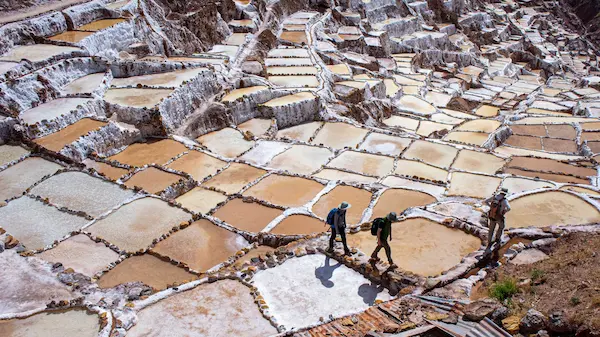
Peru travel guide rewards travelers who seek adventure and immersion in natural beauty. Mountains, jungles, deserts, and coastlines all provide distinct opportunities for exploration and unforgettable experiences. Before diving into specific activities, it’s important to recognize how Peru’s diverse landscapes shape the types of adventures available.
Trekking and Mountain Adventures
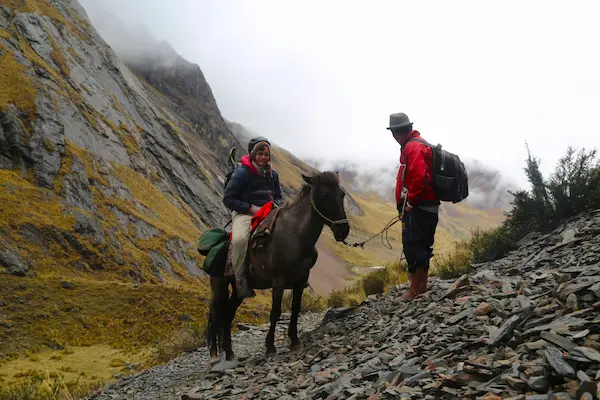
The Andes offer opportunities for hiking, mountain biking, and exploring remote villages. While Machu Picchu is iconic, other trails like Salkantay and Lares reveal breathtaking scenery, glacial lakes, and encounters with Andean communities. These adventures combine physical challenge with cultural immersion.
Amazon Exploration
The Amazon basin provides a different rhythm, with guided wildlife tours, canopy walks, and boat excursions revealing species such as macaws, river dolphins, and giant otters. Eco-lodges ensure conservation efforts and community support, making travel both responsible and memorable.
Northern Peru and Coastal Adventures
Northern Peru travl guide offers desert landscapes, cloud forests, and sites like Kuelap, the “Machu Picchu of the North.” Coastal towns such as Máncora provide surfing and sunbathing, while Huacachina allows for sandboarding and dune exploration.
Sustainable Travel in Peru: A Peru Travel Guide
Sustainable travel has become a central aspect of tourism in Peru, reflecting the country’s commitment to protecting its natural and cultural heritage. Eco-lodges, particularly in the Amazon and the Sacred Valley, offer immersive experiences that prioritize environmental responsibility. Many of these accommodations use solar energy, recycle waste, and employ local staff, ensuring that tourism benefits the communities that host travelers.
Community-based tourism initiatives allow visitors to stay with local families, participate in traditional farming, and learn crafts such as weaving or pottery. This approach provides authentic experiences while generating income that helps sustain local economies and preserve cultural traditions.
Wildlife experiences in Peru, such as guided tours in the Amazon, Lake Titicaca, or national parks like Manu and Huascarán, emphasize minimal impact on ecosystems. Conservation guidelines protect fragile species while giving travelers the chance to witness Peru’s incredible biodiversity, from macaws and giant river otters to Andean condors and spectacled bears.
Supporting local artisans, buying handmade products, and attending cultural events responsibly also play a role in sustainable tourism. By making mindful choices, travelers contribute positively to Peru’s economy, culture, and environment, ensuring that future generations can enjoy the same experiences.
You may also be interested in: Peru Waterfall Hikes: 3 scenic trails you need to experience
Unique Experiences That Define Peru
Peru’s uniqueness extends far beyond Machu Picchu and other famous landmarks. Travelers seeking distinctive experiences can engage deeply with the country’s culture, landscapes, and adventure opportunities.
Cooking classes in Cusco, for example, offer hands-on learning in preparing traditional Andean dishes, using native ingredients such as quinoa, corn, and potatoes. These sessions connect travelers with the culinary traditions that are central to Peruvian identity.
Lake Titicaca presents a different type of cultural immersion. Boat tours to the floating islands of the Uros reveal centuries-old techniques of building and sustaining homes on the lake. Visitors witness daily life, crafts, and rituals, gaining insight into the resilience and ingenuity of indigenous communities.
Workshops in towns like Chinchero and Ayacucho allow travelers to observe or participate in traditional weaving, pottery, or embroidery, providing tangible connections to centuries-old artisan practices. Adventure seekers can find equally unique experiences: paragliding over Lima’s coastal cliffs, sandboarding in Huacachina, or trekking remote Andean routes.
Even ecological experiences, such as visiting cloud forests, exploring the Amazon canopy, or participating in volunteer projects, offer meaningful engagement with Peru’s environment. Collectively, these activities enrich any Peru travel guide, showing that travel in the country combines culture, nature, and personal growth.
Is Cusco or Lima Better?
Choosing between Cusco and Lima depends on what travelers seek, but both cities offer essential perspectives of Peru’s identity.
Lima is a vibrant metropolis where modern life, history, and gastronomy converge. The city features colonial architecture, cultural centers, world-class museums, and a gastronomic scene that ranks among the best globally. Coastal neighborhoods like Miraflores and Barranco provide stunning ocean views and opportunities for nightlife, art, and outdoor activities.
Cusco, in contrast, offers a deep connection to Andean history and indigenous traditions. Its streets are lined with Inca walls, colonial churches, and bustling markets. Proximity to the Sacred Valley and ancient sites provides access to archaeological wonders, traditional festivals, and trekking opportunities.
Experiencing both cities gives travelers a balanced understanding of Peru. Lima showcases the country’s contemporary sophistication, while Cusco reflects its historical and cultural heart. Together, they provide a full perspective on Peru’s rich and layered identity.
How Many Days Is Enough for Peru?
For first-time travelers, a trip of 10–14 days is ideal to experience Peru’s highlights. This duration allows for exploration of Lima, Cusco, the Sacred Valley, Machu Picchu, and either the Amazon or southern highlands, balancing sightseeing with rest and acclimatization.
Shorter trips of 5–7 days are possible but generally focus on one region, such as Lima and Cusco, limiting exposure to Peru’s geographic and cultural diversity. Longer trips of 2–3 weeks or more allow for comprehensive exploration, including northern deserts, cloud forests, and riverine Amazonian communities.
Effective planning includes time for altitude adjustment in the Andes, seasonal considerations, and cultural immersion. By pacing the trip and including rest days, travelers can fully appreciate the landscapes, traditions, and activities without feeling rushed. This approach ensures a richer and more meaningful experience, whether the goal is adventure, cultural learning, or culinary exploration.
Peru Travel FAQ
Is Peru safe for tourists?
Yes, Peru is generally safe for travelers, especially in major tourist destinations such as Lima, Cusco, the Sacred Valley, and Machu Picchu. Any reliable Peru travel guide will recommend staying aware of your surroundings, avoiding displaying valuables, and using registered taxis or ride-sharing apps when moving around cities.
Do I need a visa to travel to Peru?
Most travelers from the United States, Canada, the United Kingdom, the European Union, Australia, and many other countries do not need a visa for tourist visits. Visitors are usually granted a stay of up to 90 days. A complete Peru travel guide will always recommend checking the latest visa requirements with your local embassy before planning your trip.
What is the best time to visit Peru?
The best time to visit Peru is during the dry season, from May to September. These months offer clear skies and ideal conditions for exploring the Andes, including Machu Picchu and the Inca Trail. However, as explained in most Peru travel guide resources, the country can be visited year-round depending on the region you plan to explore.
How many days do you need in Peru?
A minimum of 7–10 days is recommended to explore Peru’s highlights. With one week you can visit Lima, Cusco, and Machu Picchu. If you have two weeks, you can also include destinations such as the Sacred Valley, Lake Titicaca, Arequipa, or the Amazon rainforest. Any well-planned Peru travel guide itinerary will help you organize these destinations efficiently.
What currency is used in Peru?
The official currency is the Peruvian Sol (PEN). Credit cards are widely accepted in hotels, restaurants, and tourist areas, but it’s recommended to carry some cash for markets, taxis, and smaller towns. This is one of the practical tips often mentioned in a Peru travel guide for first-time visitors.
Do people speak English in Peru?
English is commonly spoken in tourist destinations such as Cusco, Lima, and Machu Picchu. However, Spanish is the official language, and learning a few basic Spanish phrases can make traveling easier and more enjoyable.
Is altitude sickness common in Peru?
Yes, altitude sickness can affect travelers visiting high-altitude destinations like Cusco, the Sacred Valley, and Lake Titicaca. It’s recommended to take it easy on your first day, stay hydrated, and avoid heavy meals or alcohol until your body adjusts.
How much does a trip to Peru cost?
Travel costs in Peru vary depending on your travel style. Budget travelers can expect to spend around $40–60 per day, while mid-range travelers may spend $80–150 per day. Luxury trips can cost significantly more, especially when including guided tours or high-end hotels.
What are the best places to visit in Peru?
Some of the best places to visit in Peru include Machu Picchu, Cusco, the Sacred Valley, Lima, Lake Titicaca, the Amazon rainforest, and the desert oasis of Huacachina. These destinations are frequently highlighted in every Peru travel guide because they showcase the country’s culture, history, and diverse landscapes.
Final Thoughts
Peru is a country that leaves a lasting impression on all who visit. Its history, culture, gastronomy, and natural landscapes combine to create experiences that are adventurous, enriching, and memorable.
A well-planned Peru travel guide enables travelers to connect deeply with the country, whether through exploration of iconic sites like Machu Picchu, immersion in local festivals, participation in sustainable tourism projects, or adventure in remote wilderness areas. Each journey reflects the country’s diversity and richness, from the sophistication of Lima to the historical depth of Cusco, from Andean mountains to the Amazon rainforest.
Visiting Peru travel guide is more than sightseeing it is a journey of discovery that engages all senses, offers cultural insight, and fosters a meaningful connection with the people, landscapes, and traditions that define this extraordinary country. Every trip leaves memories that endure long after departure, proving that Peru travel guide is a destination that truly stays with the traveler.
