


Peru is a land of ancient civilizations, sacred landscapes, and powerful stories that continue to define its identity. At the heart of this cultural richness lies peruvian folklore, a living tradition made up of myths, legends, and beliefs passed down through generations.
These stories are not just entertainment they explain the origins of the world, guide human behavior, and connect people with nature and spirituality. Understanding peruvian folklore allows travelers to experience Peru beyond its famous landmarks and dive into the deeper meaning of its culture.
If you want to truly connect with these traditions, it’s important to explore ideas such as Connection with mother earth, a fundamental concept that shapes many of these stories.
You might be interested in: Where can you find mermaids: myths, legends, and mermaid stories in Peru
What Is Peruvian Folklore?
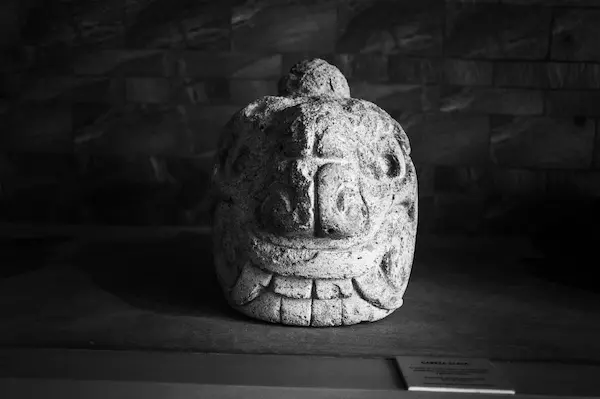
Peruvian folklore is the collection of oral traditions, myths, and cultural beliefs that have been preserved since pre-Columbian times. These narratives come from indigenous civilizations, especially the Incas, and continue to influence modern Peruvian identity.
Unlike written history, peruvian folklore has been transmitted through storytelling, rituals, and community practices. Elders and community leaders have played a key role in preserving these traditions, ensuring that each generation understands its cultural roots. This makes it dynamic, evolving over time while maintaining its original essence and symbolic meaning.
Main Characteristics of Peruvian Folklore
- Deep connection with nature and spirituality: Natural elements such as mountains, rivers, and the earth are considered sacred and often appear as living entities in stories.
- Oral transmission across generations: Knowledge is passed down through spoken word, music, and ceremonies rather than written texts.
- Presence of gods, spirits, and mythical creatures: Many stories feature powerful deities, protective spirits, and mysterious beings that reflect ancient beliefs.
- Moral and educational messages: Legends often teach respect, balance, and the consequences of human actions.
- Regional diversity across coast, Andes, and jungle: Each region has its own unique stories influenced by geography, climate, and local traditions.
These elements make peruvian folklore a unique cultural expression that blends reality with the supernatural, offering a deeper understanding of how ancient societies interpreted the world and their place within it.
The Origins of Peruvian Folklorreality with the supernatural, offering insight into how ancient cultures understood the world and their place within it.
The Origins of Peruvian Folklore
The roots of Peruvian folklore can be traced back to ancient Andean civilizations. Before the arrival of the Spanish, communities relied on storytelling to explain the universe, natural events, and human existence. These narratives helped people understand their surroundings and pass down knowledge in a meaningful way.
These stories were deeply tied to their worldview, where nature was considered sacred and alive. Mountains, rivers, and animals were not just physical elements they were spiritual beings with their own energy and influence over human life. This belief system shaped how people interacted with the environment, encouraging respect and balance.
According to historical traditions, many legends were created to explain the origin of humanity and the structure of the world, often involving gods and cosmic forces. These myths also served as a guide for social behavior, teaching values such as respect, cooperation, and harmony within the community.
Over time, these traditions adapted and incorporated new influences, especially during the colonial period, blending indigenous beliefs with external elements. Despite these changes, the essence of peruvian folklore has remained intact, preserving its spiritual depth and cultural importance.
This connection between mythology and everyday life remains central to peruvian folklore today, continuing to influence traditions, celebrations, and the identity of communities across Peru.
The Spiritual Connection with Nature
One of the most important aspects of Peruvian folklore is its spiritual relationship with nature. In Andean culture, humans are not separate from the environment they are part of it. This perspective promotes harmony and respect, where every natural element has a purpose and spiritual significance.
Nature is seen as a living system, where balance must be maintained. People believe that actions toward the environment directly affect their well-being, which is why traditions often include rituals to give thanks and ask for protection.
Pachamama and the Balance of Life
A key figure in peruvian folklore is Pachamama, or Mother Earth. She represents fertility, life, and the balance between humans and nature. For centuries, Andean communities have honored her through offerings known as “pagos,” which include food, drinks, and symbolic items.
In traditional beliefs, Pachamama provides everything needed for survival, from crops to natural resources, but she must be respected through rituals and mindful living. If balance is broken, negative consequences such as poor harvests or natural disruptions may follow.
Today, these practices are still alive in many regions of Peru, especially in rural Andean communities. This enduring belief system shows how deeply spirituality and daily life are connected, making peruvian folklore an essential part of cultural identity and environmental awareness.
You might be interested in: Traditional peruvian drinks: Top 5 Beverages to Try
Famous Legends in Peruvian Folklore
Peru is home to countless legends that form the backbone of its traditional storytelling. These stories vary by region but share common themes of spirituality, nature, and morality, reflecting the beliefs and values of ancient civilizations.
The Legend of Viracocha
One of the most important myths in peruvian folklore is the story of Viracocha, the creator god. According to legend, he emerged from Lake Titicaca after a great flood and created humans from stone, bringing life to the world.
He traveled across the Andes teaching people how to live, cultivate the land, and build communities before disappearing into the sea, promising to return one day. This legend highlights the importance of knowledge, creation, and divine guidance in Andean culture.
The Ayar Brothers
The legend of the Ayar brothers explains the origin of the Inca civilization and is a central narrative in Andean mythology.
It tells the story of four brothers sent on a journey to find a fertile land where they could establish a great empire. Along the way, they faced challenges, rivalries, and transformations, until one of them founded Cusco, which became the heart of the Inca world.
This story represents leadership, destiny, and the spiritual origins of one of the most important cities in South America.
The Tunche: Spirit of the Jungle
In the Amazon region, many traditional stories include the terrifying legend of the Tunche, a mysterious spirit that wanders through the jungle at night.
It is said that those who hear its distinctive whistle may become lost forever. The closer the sound seems, the farther away the spirit actually is, creating confusion and fear among travelers.
This legend serves as a warning about the dangers of the jungle and the need to respect its power, reinforcing the deep connection between humans and nature found in peruvian folklore.
The Chullachaqui
Another well-known figure in peruvian folklore is the Chullachaqui, a mysterious shape-shifting being that can take the form of a loved one or a familiar person. It is often described as having one foot different from the other, which reveals its true identity to those who pay close attention.
According to legend, this creature lures travelers deep into the forest by gaining their trust, leading them away from safe paths until they become completely lost. In some versions, it also protects the jungle by punishing those who harm nature or act irresponsibly.
This myth teaches caution, awareness, and respect when entering unfamiliar environments, especially in places as vast and unpredictable as the Amazon.
The Runamula
The Runamula is a creature from jungle legends, described as part woman and part mule, often associated with moral punishment. According to the story, it appears at night, making terrifying noises as it roams through villages and forests.
This legend reflects the blending of indigenous and colonial beliefs, combining native storytelling with influences introduced during the Spanish era. It is often used to warn people about certain behaviors and reinforce social norms within communities.
Stories like this continue to be shared across generations, showing how deeply rooted these traditions are in peruvian folklore, and how they serve both as entertainment and as moral guidance.
You might be interested in: Go Treks Peru: inca trail experiences and unforgettable tours in Cusco
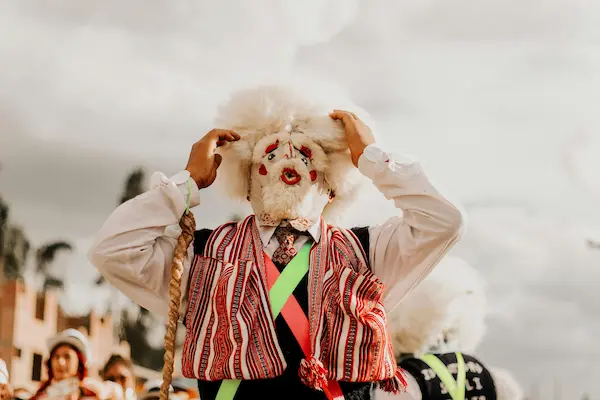
Regional Diversity of Peruvian Folklore
Peru’s geography has shaped different variations of traditional storytelling across regions. From the Andes to the Amazon and the coast, each area has developed its own myths and legends influenced by its environment, history, and cultural evolution.
Andean Region (Sierra)
The Andes are the heart of peruvian folklore, where most Inca myths originated. Stories in this region focus on gods, sacred mountains (Apus), and agricultural cycles that are essential for survival.
These narratives often explain natural events such as rain, drought, or earthquakes, linking them to spiritual forces. Rituals and offerings are still performed today as a way to maintain balance with nature.
Travelers often experience these traditions through Cusco tours, where rituals, festivals, and ancestral beliefs remain alive in local communities, offering a deeper cultural connection.
Amazon Jungle
In the jungle, storytelling includes tales of mystical creatures, forest spirits, and transformation myths that reflect the mysterious and powerful nature of the Amazon.
These legends often serve as warnings, teaching respect for biodiversity and the dangers of the forest. Many stories describe shape-shifting beings, protective spirits, and supernatural forces that guard the natural world.
This strong connection between humans and the environment highlights the spiritual dimension present in peruvian folklore, especially in regions where nature plays a dominant role in daily life.
Coastal Region
On the coast, traditions blend indigenous beliefs with Spanish influences, creating unique narratives related to the sea, colonial history, and supernatural events.
Many coastal legends involve ghosts, enchanted places, or mysterious figures connected to the ocean. These stories reflect centuries of cultural exchange and adaptation, resulting in a diverse and evolving tradition that continues to be shared today.nfluences, creating unique stories related to the sea, ghosts, and colonial history.
Cultural Importance of Peruvian Folklore
Peruvian folklore plays a crucial role in preserving cultural identity and traditions. It connects modern communities with their ancestral roots, allowing knowledge, beliefs, and values to continue across generations.
Transmission of Knowledge
These stories are not just myths they are a way of teaching values, history, and survival skills. Through storytelling, communities pass down lessons about respect, responsibility, and the relationship between humans and nature.
Legends have been shared for generations as part of daily life, often told during gatherings, celebrations, or family moments. This oral tradition helps preserve cultural memory and ensures that ancestral wisdom is not lost over time. In this way, peruvian folklore becomes a living source of education and identity.
Festivals and Rituals
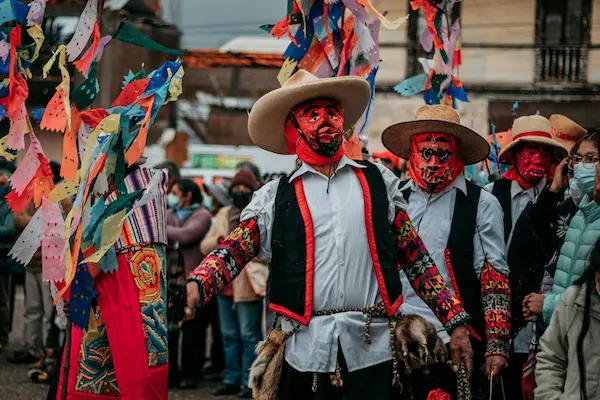
Many traditions in Peru are rooted in peruvian folklore, including ceremonies dedicated to nature, agricultural cycles, and ancestral spirits.
These events reflect gratitude, respect, and the desire to maintain balance in the world. Festivals often include music, dance, colorful clothing, and symbolic rituals that represent ancient beliefs still practiced today.
In many communities, these celebrations are not only cultural events but also spiritual experiences that reinforce unity and shared identity.
Daily Life Influence
Even today, elements of traditional beliefs are present in everyday life. People continue to follow customs, believe in spiritual forces, and respect natural elements as part of their daily routines.
Small rituals, sayings, and practices such as offering thanks to the earth or avoiding certain actions believed to bring bad luck are still common. This ongoing influence shows how deeply rooted these traditions are and how they continue to shape perspectives, behaviors, and community values across Peru.
You might be interested in: Working Travel Peru Guide: Tips, Requirements and Best Places to Stay
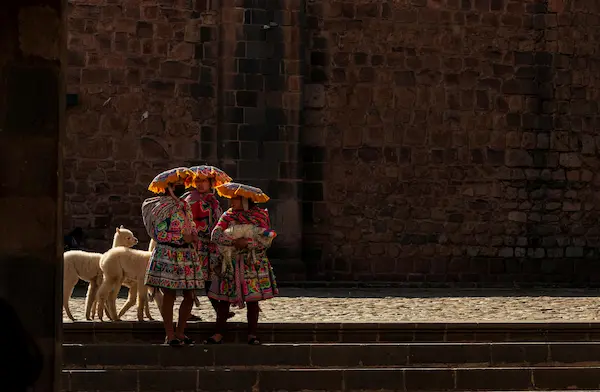
Peruvian Folklore and Tourism
In recent years, peruvian folklore has become an important part of cultural tourism. Travelers are no longer looking only for landmarks they seek authentic experiences that allow them to connect with local traditions, history, and ways of life.
Through experiences like Lima tours 2026, visitors can explore museums, historic neighborhoods, and cultural spaces that showcase traditional music, dance, crafts, and storytelling. These experiences provide a deeper understanding of the country beyond typical sightseeing.
In addition, many rural communities offer immersive activities where visitors can participate in rituals, learn about ancestral practices, and interact directly with local traditions. This type of tourism not only enriches the travel experience but also supports local economies.
Tourism plays a key role in preserving peruvian folklore, as it encourages the continuation of traditions and raises awareness about their cultural value, allowing people from around the world to understand and appreciate their meaning.
Why Peruvian Folklore Still Matters Today
The relevance of Peruvian folklore goes beyond tradition it offers valuable lessons for modern society. In a rapidly changing world, these ancestral beliefs provide guidance on how to live in balance with nature, community, and oneself.
Environmental Awareness
The respect for nature found in peruvian folklore aligns with global sustainability values, promoting balance between humans and the environment. Many traditional beliefs emphasize taking only what is needed and giving back through rituals or actions of gratitude.
This perspective encourages a more conscious way of living, reminding people of the importance of protecting natural resources for future generations.
Cultural Identity
For many Peruvians, cultural traditions represent a strong sense of identity and pride, connecting them to their ancestors and heritage. These stories reinforce community values and help preserve a shared history that continues to shape modern society.
Festivals, clothing, music, and daily practices all reflect this identity, making it visible and meaningful in everyday life.
Spiritual Meaning
The spiritual dimension of peruvian folklore continues to inspire people seeking deeper connections with nature and life. It offers a holistic view of existence, where physical and spiritual worlds are interconnected.
For many, these beliefs provide a sense of purpose, balance, and respect for all living things, showing that ancient wisdom can still have a powerful impact in today’s world.
Discover the Stories That Bring Peru’s Culture to Life
Exploring peruvian legends is one of the most enriching ways to understand Peru. These legends, myths, and traditions reveal a worldview where nature, spirituality, and humanity are deeply connected, offering insight into how ancient civilizations interpreted life and the universe.
From powerful creator gods to mysterious jungle spirits, these stories continue to shape the country’s identity and cultural heritage. They are not only preserved in storytelling but also reflected in festivals, rituals, and everyday practices that remain alive across different regions.
Whether you are traveling through the Andes or exploring the Amazon, these traditions provide a deeper perspective one that transforms your journey into a meaningful cultural experience. By understanding peruvian folklore, you connect with the essence of Peru in a way that goes far beyond typical tourism.
