




Peru waterfall hikes are one of the country’s best kept secres! Tucked away between towring mountains, ancient valleys and cloud forests. While most travelers come just for Machu Picchu, the Amazon or the capital, very few people realize that some of the most breathtaking experiences and place can be found along winding trails that lead to the beautiful cascading falls. I could defenitely call them as the hidden gems of Peru.
Because imagine you’re hiking through misty forests, hearing the rush of the water long before you see it, and arriving at a waterfall so remote it feels like it’s all yours. In this post, I’ll provide you information about three unforgettable Peru waterfall hikes that combine scenic trails, local flavor and that magical feeling of discovering something truly special.
You may also like: Top 5 iconic Peruvian drinks every traveler must taste
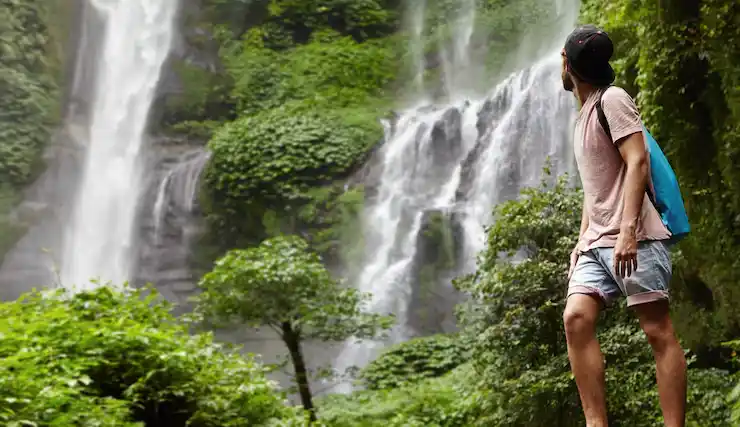
Why Peru waterfall hikes are a gem
When most people dream or imagine Peru, their minds go straight to the one of the wonders, Machu Picchu and who can blame them? It’s one of the most iconic places on earth! But beyond the beaten paths and postcards views lies something quieter, wilder and just as breathtaking: Peru’s waterfall hikes.
Peru has a diverse geography, it is a paradise for waterfall, national parks and more. Waterfall seem to appear out of nowhere, tumbling over cliffs, veiled by hanging moss, echoing through canyons where ancient civilizations once walked. But here’s what makes these hikes truly unforgettable: it’s not just about reaching the falls, it’s about everything you experience along the way. These trails wind through remote farming communities, along stone paths that date back to Inca times, past tiny chapels, grazing llamas, and fields of potatoes tended by hand. You might trade smiles with a local herder, hear Quechua songs drifting from a distant home, or stumble upon ruins half-swallowed by vines and time.
And perhaps best of all? You won’t be jostling for space with crowds. Many of these waterfalls remain off the radar for most tourists, which means the trails are peaceful, the air is pure, and the sound of the falling water becomes something personal, like nature whispering just to you.
Peru waterfall hikes are more than scenic, they’re soulful. They offer a slower, richer way to connect with the land, the people, and the stories that have flowed through these mountains for centuries. If you’re looking to see a side of Peru that most travelers miss, follow the water so you won’t be disappointed. And if you’re craving even more breathtaking views beyond waterfalls, the Inti Punku hike above Ollantaytambo is a powerful bonus offering ancient paths, sky-high solitude, and a front-row seat to the Sacred Valley’s magic.
You might be interested in: Traveling Package Checklist: What You Need for Peru’s Amazon Jungle
What to Pack for a Peru waterfall hike
Before you hit the trail in search of cascading falls and lush hidden corners, let’s make sure your backpack’s got everything you need. Peru waterfall hikes can be as unpredictable as they are stunning, one minute you’re basking in sunshine, the next you’re ducking under jungle mist or walking through a cloud. Being prepared means you get to fully enjoy the magic without worrying about soggy socks or missed photo ops.
Here’s what you’ll need to bring along for the ride:
Sturdy hiking shoes: Trust me, flip-flops won’t cut it here. Trails can be rocky, muddy, or slick with moss. A solid pair of hiking boots or trail shoes with good grip will keep your footing steady and your feet happy, especially on those steep or uneven sections.
Light layers: The weather in Peru changes like moods in a telenovela. Mornings can be chilly, midday heat intense, and afternoons wet with surprise rain. Bring breathable layers you can peel off or pile on, and always—always—pack a light, waterproof jacket.
Swimsuit + travel towel: Some waterfalls invite you in for a swim (and you won’t want to miss out). Even if the water’s a bit brisk, the experience is unforgettable. A quick-dry towel and a swimsuit rolled up in your bag are worth the extra space.
Reusable water bottle: Altitude and effort can sneak up on you. Stay hydrated with a good-quality bottle (ideally with a built-in filter if you’re hiking in remote areas). Bonus: it’s eco-friendly and saves you from buying plastic along the way.
High-energy snacks: You won’t always find vendors once you leave town, and there’s nothing worse than a beautiful view with a rumbling stomach. Bring protein bars, fruit, trail mix, or a hearty sandwich—and maybe an extra to share.
Camera or phone with extra storage
These aren’t just casual views—they’re memory-makers. Whether you’re capturing mist rising from a hidden cascade or the sun breaking through the canopy, make sure your camera (or phone) is ready and your battery is full. A power bank doesn’t hurt either.
Cash in small bills (soles): Many local communities care for the trails and waterfalls and might ask for a small entrance fee—usually just a few soles. Having change on hand is respectful, helpful, and supports local conservation efforts.
Sunscreen + bug repellent: Yes, even when it’s cloudy. UV rays are stronger at high altitudes, and mosquito bites in jungle zones can be persistent. Protect your skin so the only thing you bring home are good memories.

Best time to go Peru waterfall hike
Timing can make all the difference when planning your Peru waterfall hike. With Peru’s wildly diverse landscape ranging from misty cloud forests to high Andean peaks—each season brings a completely different experience to the trail. If you’re dreaming of cascading falls, quiet paths, and landscapes that take your breath away, knowing the best time to go Peru waterfall hike will help you make the most of your journey.
Here’s what to expect during each season:
Dry Season
(May to September) Widely considered the best time for trekking in the Andes, the dry season offers clear skies, stable weather, and trails that are easier to navigate. While waterfalls may not be at full flow, they’re still stunning and you’ll likely have more consistent conditions for long hikes and panoramic views.
Shoulder Season
(April and October) This is the sweet spot between dry and wet. The trails are lush, the waterfalls are still flowing beautifully, and crowds are fewer. You might get a bit of rain here and there, but the overall balance of scenery and trail conditions makes this a favorite time for those in the know.
Wet Season
(November to March) If you want to see waterfalls at their most powerful, this is it. The rains swell the rivers, turning quiet streams into roaring cascades. The downside? Trails can become muddy, slippery, or even temporarily closed in certain areas. But if you come prepared with rain gear, good boots, and an adventurous spirit, you’ll be rewarded with raw, untamed beauty.
No matter when you go, early morning hikes are always a good idea. You’ll enjoy cooler temperatures, fewer people, and soft light that makes everything water, trees, sky—glow just a little more. Plus, there’s something special about starting your day in silence, with only the sound of birds and distant waterfalls guiding your steps.
🌄 Local tip: Before heading out, ask around. Locals and community guides often know the most up-to-date trail conditions, and they might even point you toward hidden spots or seasonal surprises you won’t find on any map.
You may also like: 5 Trekking routes in Cuzco you absolutely must explore
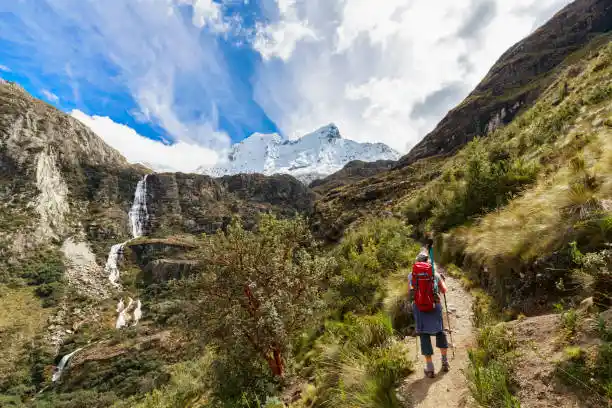
Top 3 wonderful Peru waterfall hikes
1. Perolniyoc Waterfall Hike
Tucked away in the heart of the Sacred Valley, the Perolniyoc Waterfall Hike is one of those rare gems that somehow manages to stay off most tourists’ radars. But those who do find it often describe it as a highlight of their trip as quiet, powerful, and deeply connected to Peru’s cultural roots.
The trail begins in the small Andean village of Socma, about an hour and a half from Ollantaytambo. From there, you’ll set off on a moderately easy hike that winds gently uphill through farmlands, stone paths, and highland pastures with sweeping valley views. The landscape is peaceful and wide open (no tour buses, no crowds) just birdsong, mountain breezes, and the occasional curious alpaca.
Before you even reach the waterfall, the trail brings you face-to-face with the archaeological site of Raqaypata, a lesser-known Inca ruin perched dramatically on a cliffside. It’s believed this ceremonial site was once a resting point or spiritual retreat, and it still carries a strong, quiet energy. From here, it’s just a short descent to the star of the show: Perolniyoc Falls.
Cascading nearly 100 feet (around 30 meters) down a rocky cliff into a lush basin, Perolniyoc feels like something out of a dream. The spray cools the air, the light dances in the mist, and you’ll likely have it all to yourself. Bring a light snack, sit on the rocks, and just be for a moment—it’s one of those rare places that invite you to slow down and soak it all in.
Details to know:
- Elevation: Around 3,300 m (10,800 ft) – take it slow if you’re still acclimating.
- Duration: 1.5 to 2 hours round trip, depending on pace and how long you stay at the falls.
- Difficulty: Easy to moderate – great for beginners or as a warm-up trek before higher-altitude hikes.
- What to bring: Layers, water, sun protection, camera, and a few soles in case you meet locals selling crafts or snacks.
💡 Pro tip: Hire a local guide from Socma if you can—they often know stories and legends about the ruins and the falls that you won’t find online or in guidebooks. Plus, it’s a great way to support the local community.
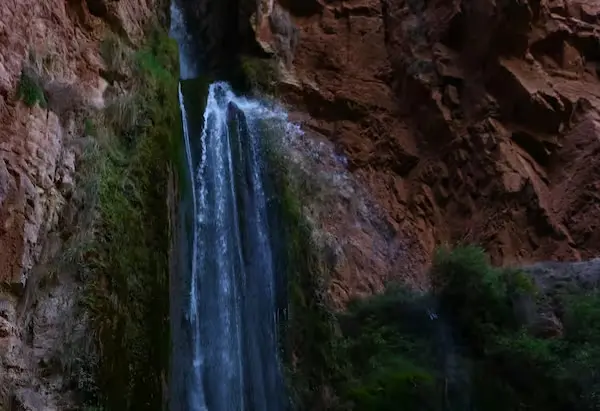
2. Gocta Waterfall Hike
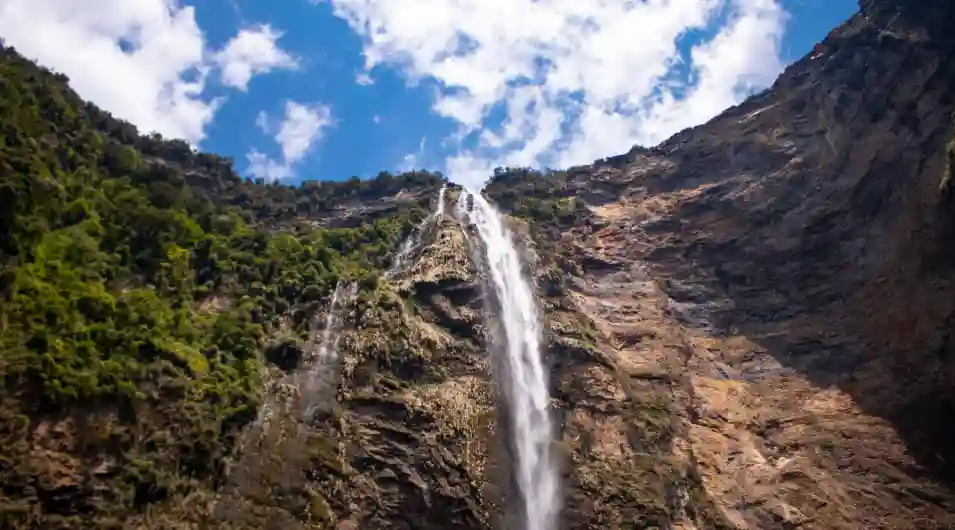
Towering at over 770 meters (2,500 feet), the Gocta Waterfall isn’t just one of the tallest waterfalls in Peru, it’s one of the tallest in the world. Tucked deep in the cloud forests of the Amazonas region, this awe-inspiring cascade feels like something straight out of a legend (and honestly, it kind of is, locals believed it was guarded by a mermaid spirit for centuries).
The hike to Gocta is everything you want in a jungle adventure: lush greenery, hummingbirds darting through orchids, wild butterflies, and the distant thunder of falling water pulling you forward. There are actually two main viewpoints, one from the base and another from halfway up, so you can choose your level of effort and get two completely different but equally epic experiences.
The most common trail starts in the friendly town of Cocachimba. From there, it’s about a 2–3 hour hike each way through farmland, forest, and misty cliffs. Along the way, you’ll pass lookout points and small rest stops where locals sell snacks, fresh fruit, or even sugarcane juice. The air is thick, sweet, and alive.
And then you hear it before you see it! A powerful roar, a shift in the wind, and suddenly you’re standing face-to-face with one of nature’s greatest performances. It’s not just a waterfall, it’s a moment.
Details to know:
- Elevation: Around 1,800 m (5,900 ft) – lower than Cusco, so easier to acclimate.
- Duration: ~5–6 hours round-trip (or hire a horse if you’re feeling extra).
- Difficulty: Moderate – the trail is well-maintained but can get humid and muddy.
- Entrance: Fee required (goes to local conservation efforts—totally worth it).
💡 Pro tip: Stay overnight in Cocachimba. There are gorgeous eco-lodges with balconies that face the falls and you can literally wake up to the view of Gocta shrouded in morning mist. Main character moment guaranteed.
3. Poc Poc Waterfall Hike
Just when you think the Sacred Valley couldn’t get any more magical, you stumble upon Poc Poc Waterfall, a peaceful, tucked-away treasure just outside the colorful town of Chinchero. With a gentle trail, soft mountain air, and the soothing sound of water waiting at the end, this is one of those hikes that feeds the soul without exhausting the legs.
The trail to Poc Poc begins quietly behind Chinchero’s famous colonial church and Inca terraces. As you descend into the valley, the noise fades and you’re greeted by rolling hills, tall eucalyptus trees, and herds of sheep grazing on the slopes. It’s a slice of Andean countryside most tourists miss entirely—and that’s exactly what makes it so special.
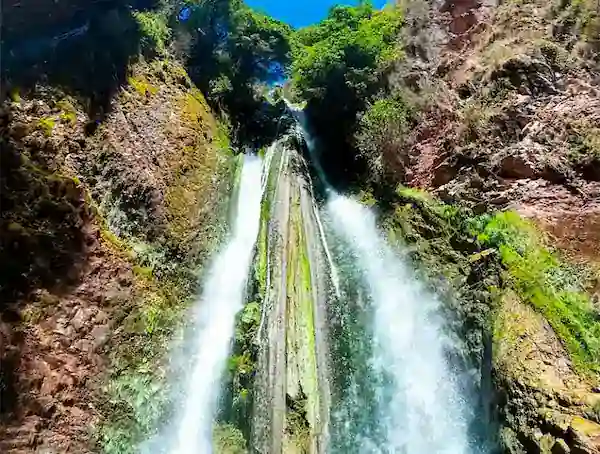
After about 45–60 minutes of easy walking, the sound of rushing water grows louder, and there it is: Poc Poc Waterfall, cascading down smooth rock into a serene pool below. It’s not massive, but its setting is straight out of a storybook, framed by greenery and cliffs, with butterflies flitting through the mist. Pure tranquility.
Because it’s lesser known, it’s not uncommon to have the place completely to yourself. Lay back on a rock, dip your toes in the water, or just sit and listen, it’s a perfect spot for a mindful pause in between busy travel days.
Details to know:
- Elevation: ~3,600 m (11,800 ft) – take it slow if you’re still adjusting.
- Duration: 1.5–2 hours round trip.
- Difficulty: Easy – a gentle, mostly downhill path with a few rocky spots.
- Vibe: Peaceful, scenic, and low-key magical.
💡 Pro tip: Pair this hike with a visit to Chinchero’s artisan market in the morning, then head to the trail after lunch. You’ll get the best light and fewer people. And don’t skip on asking locals about the name—there’s always a story behind places like Poc Poc.
Some places don’t shout, they whisper. Peru’s waterfalls are like that. Tucked between mountains, hidden behind fields, waiting at the end of trails that don’t always show up on maps. You don’t just hike to them, you arrive. And when you do, something shifts.
Maybe it’s the cool mist on your skin after the climb, or the way the roar of the water drowns out every busy thought in your head. Maybe it’s the silence you find sitting by the edge, watching sunlight dance through falling spray. But one thing’s for sure, these waterfall hikes aren’t just part of your itinerary. They’re part of your story now.
From the ancient power of Perolniyoc, to the quiet grace of Poc Poc, and the jungle drama of Gocta, each one holds its own kind of magic. They’re not the most famous places in Peru but they might just be the ones you remember most.
Because in the end, the best adventures aren’t always loud or planned or perfect. Sometimes, they’re just a path, a little bit of wonder, and the sound of water leading you somewhere you didn’t expect but absolutely needed to be.
So go. Lace up your boots, take the long way, and follow the water. Peru’s waiting and trust me, she knows how to welcome you.
