




When I first started planning a trip through the Andes, one of the biggest questions I had was how to prepare for high altitude in a way that felt practical and realistic, not just theoretical advice. Traveling through regions like Cusco, the Sacred Valley, or even Lake Titicaca means quickly gaining elevation, and that can completely change how your body reacts.
Understanding the challenge of altitude is not only about avoiding discomfort, but also about making the most of your trip without unnecessary interruptions. Many travelers underestimate how different things feel above 2,500 meters, especially when coming from sea level. In the Andes, altitude is part of the experience, and learning this properly can make the difference between a difficult journey and an unforgettable one.
In this guide, I’ll go through everything I’ve learned and observed about how to prepare for high altitude, especially for those visiting Peru and the wider Andean region. From physical preparation to daily habits, from myths to real strategies, the goal is to give a complete and grounded perspective.
Understanding altitude in the Andes
Before thinking about how to prepare for high altitude, it’s important to understand what altitude actually does Before planning a trip through the Andes, it is important to understand how to prepare and what changes occur in the body as elevation increases. At higher elevations, the air pressure is lower, so less oxygen is available with each breath. As a result, the body must work harder during activities that would normally feel easy at sea level.
Cusco, for example, sits at approximately 3,400 meters above sea level. Travelers arriving directly from lower elevations may notice changes in their breathing, energy levels, appetite or sleep during the first few days.
Common elevation ranges in the Andes include:
- 2,000–2,500 meters: Most travelers experience mild or no noticeable effects.
- 2,500–3,500 meters: Changes in breathing, energy and physical performance may become more noticeable.
- Above 3,500 meters: The likelihood of experiencing altitude-related discomfort increases.
Understanding these ranges makes it easier to set realistic expectations and organize a gradual itinerary. Rushing into demanding tours or hikes shortly after arrival can place unnecessary strain on the body and make the adjustment process more difficult.
Why altitude affects travelers differently?
One of the most important truths about understanding the Andes is that no two people react the same way when it comes to how to prepare for high altitude. Physical fitness alone does not guarantee adaptation, and even highly trained athletes can experience symptoms if they ascend too quickly or do not allow enough time for adjustment.
Several key factors influence how the body responds:
- Speed of ascent: Rapid elevation gain gives the body less time to adapt, increasing the likelihood of discomfort.
- Hydration levels: Proper fluid intake supports circulation and helps the body cope with reduced oxygen availability.
- Sleep quality before travel: Fatigue can make initial adaptation more difficult.
- Individual biology: Genetics and personal sensitivity play a major role in how each person responds to altitude.
Because of these variables, flexibility is essential when planning a trip. It is important not to overpack the itinerary or rush between destinations. The Andes reward a slower, more mindful pace, allowing the body to adjust naturally and the traveler to enjoy the experience more fully.
Common symptoms of altitude exposure
Understanding symptoms is a core part of how to prepare for high altitude. Many travelers feel concerned when they notice changes in their body, but in most cases these reactions are normal and temporary as the body begins to adapt to lower oxygen levels.
Typical signs include:
- Headache: Often one of the first and most common symptoms experienced at higher elevations.
- Shortness of breath during light activity: Even simple walking may feel more tiring than usual.
- Fatigue or weakness: The body uses more energy to function, leading to a general sense of tiredness.
- Dizziness: A mild feeling of imbalance can occur during the first days.
- Loss of appetite: Some travelers notice a reduced desire to eat until they acclimatize.
- Difficulty sleeping: Sleep patterns may be lighter or interrupted during the initial adjustment phase.
Being aware of these symptoms is an important part of how to prepare for high altitude, as it helps reduce anxiety and allows travelers to respond calmly. In most situations, symptoms improve naturally with rest, proper hydration, and gradual acclimatization.
You might be interested in reading: Historical sites in Peru 2026
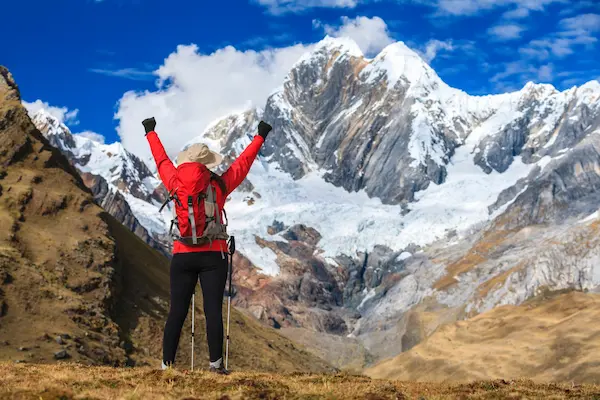
Essential tips to help you adjust to high altitude in the Andes
Adjusting to the Andes requires a combination of preparation, patience, and simple daily habits that make the transition smoother. These tips are designed to help your body adapt gradually, reduce discomfort, and allow you to enjoy your trip without unnecessary interruptions.
Acclimatization: the most important strategy
If there is one rule in how to prepare for high altitude, it is acclimatization. This process simply means giving your body enough time to adjust gradually to lower oxygen levels instead of forcing it to adapt too quickly.
A good approach includes:
- Spending at least 1–2 days at moderate altitude before ascending higher
- Avoiding intense physical activity on the first day after arrival
- Moving gradually between destinations instead of rushing upward
- Listening to your body and resting when needed
Acclimatization is often underestimated, but it is central to how to prepare effectively. Travelers who skip this step usually experience stronger symptoms and a slower adjustment process.
Hydration and its role in altitude adaptation
Hydration is another key factor in how to prepare for high altitude. At higher elevations, the body loses moisture more quickly due to dry air and increased breathing rate.
To stay properly hydrated:
- Drink water consistently throughout the day
- Avoid excessive alcohol or caffeine
- Increase fluid intake before reaching high altitude
- Monitor urine color as a simple hydration indicator
Many travelers overlook hydration when learning how to prepare, but it plays a major role in reducing discomfort and supporting the body’s natural adaptation process.
Nutrition and energy balance at altitude
Food also plays an important role in how to prepare for high altitude, since the body naturally burns more energy at elevation, even during rest. This increased energy demand means that what you eat can significantly influence how quickly you adapt and how comfortable you feel during the first days in the Andes.
Helpful dietary habits include:
- Eating light, frequent meals instead of large portions that are harder to digest
- Choosing carbohydrates as a main energy source, since they are easier for the body to process at altitude
- Avoiding heavy, greasy, or overly processed foods upon arrival, which can increase fatigue
- Including fruits, soups, and warm liquids to support hydration and digestion
Local Andean diets are naturally adapted to high elevation conditions, which is why traditional meals often feel more suitable and easier to tolerate. Understanding these food patterns is a practical part of adapting to altitude and can make the overall adjustment process smoother and more comfortable.
You might be interested in reading: 4 days in lima for food lovers: a culinary itinerary
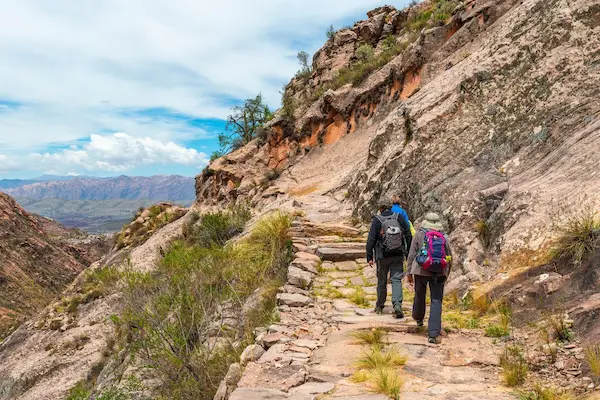
Physical preparation before traveling
While altitude cannot be fully “trained for,” physical preparation still supports how to prepare for high altitude by helping the body handle exertion more efficiently once you arrive in the Andes. A better physical condition does not prevent altitude effects completely, but it can make the overall adjustment process feel more manageable.
Recommended preparation includes:
- Light cardio training before the trip, such as jogging, cycling, or swimming at a steady pace
- Walking or hiking practice to simulate long periods of movement on uneven terrain
- Breathing exercises to improve oxygen efficiency and control during physical effort
- Improving overall stamina through consistent, moderate exercise over several weeks
However, it is important to understand that even well-trained travelers must still apply altitude guidelines upon arrival. Fitness helps, but gradual acclimatization and proper habits remain essential for a safe and comfortable experience.
Pacing yourself during travel
One of the most overlooked aspects of how to prepare for high altitude is pacing. Many travelers try to maintain sea-level activity levels, which often leads to unnecessary fatigue and makes the first days at elevation more challenging.
A better approach is:
- Walk slower than usual and avoid rushing between attractions
- Take frequent breaks to allow the body to recover
- Avoid stair-heavy activity during the first day after arrival
- Prioritize rest over intense sightseeing schedules
Adjusting expectations is also important, since the Andes are best experienced with patience, and moving too quickly often reduces both comfort and enjoyment.
Sleeping at high altitude
Sleep can be affected even when following proper how to prepare for high altitude steps. Some travelers notice lighter sleep, frequent waking during the night, or difficulty falling asleep during the first days at elevation. This is a normal response as the body adjusts to lower oxygen levels.
Helpful strategies:
- Avoid heavy meals before sleeping, as digestion can affect rest quality
- Keep hydration balanced, but avoid drinking excessive fluids right before bed
- Rest during the day if needed, especially during the first 24–48 hours
- Allow a few nights for the body to fully adjust to the new altitude
Sleep quality is an important part of adapting to high elevation, particularly for longer stays in the Andes, where the body gradually becomes more efficient at resting under reduced oxygen conditions.
You might be interested in reading: 15 fun things to do in cusco for first-time travelers
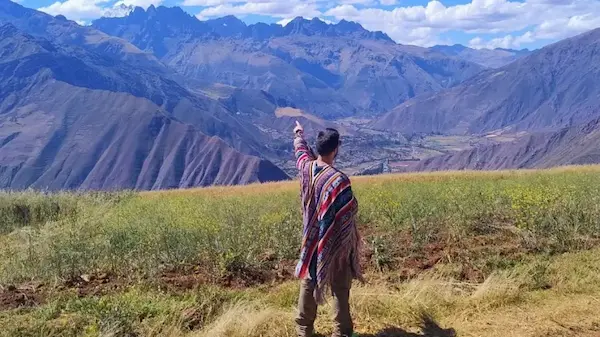
Cultural and environmental context of the Andes
Altitude in the Andes is not only a physical condition but also a defining element of local life, shaping traditions, agriculture, and daily routines across generations. Many cultural practices have developed in response to geography and elevation, creating a deep connection between people and their environment.
For example, ancient knowledge reflected in Inca empire agriculture demonstrates how communities adapted farming techniques to extreme altitudes using terraces, irrigation systems, and crop diversification. This historical adaptation highlights a broader understanding of altitude challenges, not only for modern travelers but for entire civilizations that learned to thrive in high-elevation conditions.
In modern tourism, experiences like Cusco tours allow visitors to gradually adjust while exploring historical and cultural sites, making the transition to higher altitudes more natural and immersive. These kinds of journeys also support a smoother travel experience in the Andes by combining exploration with gradual elevation gain.
Travel companies such as Lala Peru Travel design itineraries that carefully consider altitude changes, helping travelers move through different elevations in a more comfortable and organized way while still enjoying the cultural richness of each destination.
High altitude trekking in the Andes
For those planning hikes, high altitude trekking adds another level of challenge. Understanding how to prepare for high altitude becomes even more important in this context, since physical effort combined with reduced oxygen can intensify fatigue if the body is not properly adapted.
Key trekking considerations:
- Start hikes early in the morning when temperatures are cooler and energy levels are higher
- Maintain a steady breathing rhythm to avoid unnecessary exhaustion
- Avoid overexertion on steep sections and take breaks when needed
- Carry sufficient water and light snacks to maintain energy throughout the route
- Take acclimatization days before attempting longer or more demanding treks
Whether it’s the Inca Trail or alternative routes, how to prepare is essential for both safety and overall enjoyment of the experience.
Mental preparation and mindset
A strong mindset is often overlooked in how to prepare for high altitude, but it plays a crucial role in how the body responds. Anxiety or stress can intensify physical discomfort, while a calm and patient attitude can support smoother adaptation.
Helpful mental strategies:
- Accept that slowing down is a normal and necessary part of the experience
- Focus on the journey itself rather than speed or distance covered
- Avoid comparing your pace or performance with other travelers
- Stay flexible with plans in case rest is needed
A calm and adaptable approach makes it easier to naturally follow how to prepare, improving both comfort and enjoyment during your time in the Andes.
You might be interested in reading: 5 best places to visit in Peru
Conclusion
Learning how to prepare for high altitude is not just about avoiding discomfort, it is about respecting the natural environment of the Andes and adapting to it intelligently. Every traveler experiences altitude differently, but preparation always makes a meaningful difference in how smoothly the body adjusts and how enjoyable the journey becomes.
From hydration and pacing to cultural awareness and mindset, how to prepare is a combination of small decisions that together shape the entire journey.
The Andes are not meant to be rushed, and understanding this is part of the experience itself. In the end, how to prepare for high altitude is less about perfection and more about awareness, patience, and respect for the environment you are entering.
