




Peru continues to stand as one of the most culturally rich destinations in South America, and historical sites in Peru 2026 reflects a growing interest in heritage-based travel, where visitors are not only sightseeing but also trying to understand the origins of civilizations that shaped the continent. From ancient Inca architecture to colonial cities and pre-Inca ruins scattered across deserts, mountains, and jungles, this concept offers an experience that combines history, culture, and geography in a very unique way.
Travel trends show that visitors are increasingly looking for immersive experiences rather than quick tours. Instead of rushing through landmarks, travelers now prefer longer stays, guided interpretations, and deeper cultural learning. This shift has made Peru one of the strongest destinations for educational and cultural tourism worldwide.
A Peru travel guide for this year highlights how diverse the country’s historical landscape really is. What makes this topic so relevant is not only the number of archaeological sites but also the way they are preserved, interpreted, and connected to living cultures today.
Understanding Historical sites in Peru 2026
The concept of Historical sites in Peru 2026 goes far beyond famous landmarks like Machu Picchu. It includes thousands of archaeological complexes, colonial cities, sacred temples, ancient roads, and cultural landscapes that together form a continuous historical narrative.
One of the most important aspects is the diversity of civilizations represented. Pre-Inca cultures such as the Nazca, Moche, and Chavín laid the foundations for later societies. The Inca Empire then expanded this legacy, building advanced infrastructure across the Andes. Later, Spanish colonization introduced new architectural and cultural layers, further enriching the country’s historical identity.
Visitors today experience these sites not just as ruins but as living classrooms where history is still being interpreted. Many destinations now include interactive museums, guided tours, and digital reconstructions that help travelers understand ancient life more clearly.
You might be interested in reading: 4 days in lima for food lovers: a culinary itinerary
Major regions that define Historical sites in Peru 2026
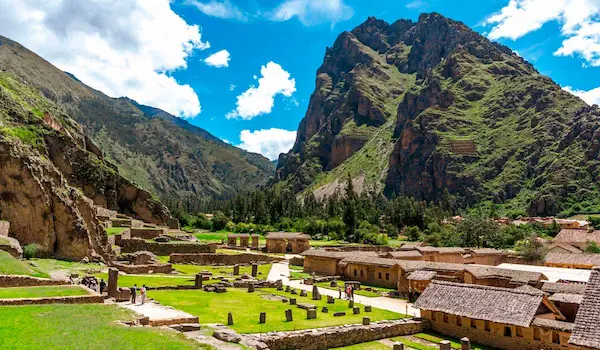
When exploring Historical sites in Peru 2026, it is essential to understand the main regions that concentrate the country’s most important cultural heritage. Each area offers a different historical layer, shaped by unique civilizations, landscapes, and architectural traditions.
Cusco and the Sacred Valley
Cusco remains the heart of Historical sites in Peru 2026, as it was once the capital of the Inca Empire. The city itself functions as a living historical museum, where Inca stone walls coexist with colonial churches and plazas. Every street reflects centuries of cultural transformation.
The Sacred Valley nearby expands this experience with agricultural terraces, ceremonial centers, and archaeological complexes that reveal the sophistication of Andean engineering and planning. This region is essential for understanding how the Inca civilization organized agriculture, spirituality, and urban life in harmony with the landscape.
Cusco is also closely connected to cultural learning spaces such as museums in Cusco, Peru, which help visitors interpret and contextualize the historical depth of the region beyond its visible ruins.
Lima and the coastal heritage
Lima plays a major role in Historical sites in Peru through its combination of colonial architecture, pre-Inca temples, and coastal archaeological sites. The city preserves one of the most important historical centers in South America, where Spanish colonial influence is still visible in plazas, churches, and old mansions.
Outside the urban core, sites such as Pachacamac reveal ancient religious traditions that existed long before the arrival of the Spanish. These coastal civilizations developed complex ceremonial systems that continue to be studied today, adding another essential layer to Peru’s historical identity.
Arequipa and volcanic history
Arequipa contributes a unique architectural and cultural dimension to Historical sites in Peru. Known as the “White City,” it is built largely from volcanic stone, giving it a distinct visual identity that sets it apart from other Peruvian regions.
Its monasteries, churches, and colonial buildings reflect a blend of Spanish influence and local adaptation. Over time, Arequipa developed its own cultural style, making it an important stop for understanding how colonial architecture evolved in different environments across Peru.
Northern Peru
Northern Peru is essential for fully understanding Historical sites in Peru, especially due to the presence of ancient civilizations such as the Moche and Chimú. These cultures developed highly advanced systems of ceramics, urban planning, and monumental architecture.
Sites like large adobe cities and ceremonial pyramids show how complex and organized these societies were long before the Inca expansion. The region adds depth to Peru’s historical narrative by highlighting the diversity of civilizations that existed independently across different territories.
You might be interested in reading: 15 fun things to do in cusco for first-time travelers
Inca legacy and its importance in Historical sites in Peru 2026
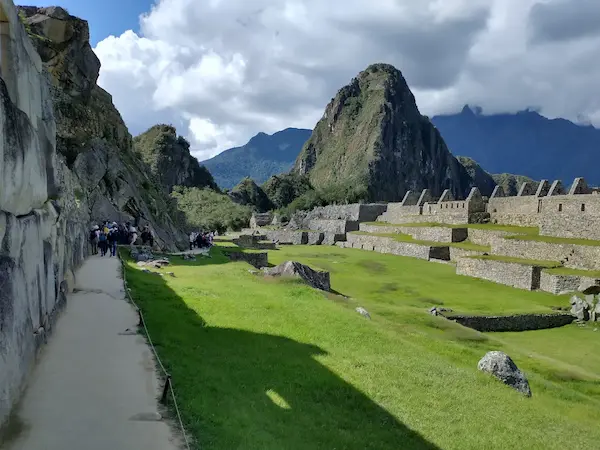
The Inca civilization remains central to Peru’s historical heritage, especially because of its engineering achievements, road systems, and architectural precision. Sites such as Machu Picchu, Sacsayhuamán, Ollantaytambo, and Pisac clearly demonstrate how advanced Inca society was in terms of construction, urban planning, and adaptation to the Andean landscape.
One important aspect is how these places are still studied today using modern technology. Archaeology in Peru has evolved significantly, allowing researchers to better understand ancient construction methods and cultural practices.
- 3D mapping is used to recreate ancient cities and analyze structural design
- Drone archaeology helps document large and difficult-to-access sites
- Digital preservation supports the conservation of fragile ruins and artifacts
- Satellite imaging reveals hidden structures beneath terrain and vegetation
These innovations have transformed how Peru’s historical heritage is interpreted, making research more accurate and accessible to the public.
Visitors often combine outdoor exploration with cultural learning, which is why experiences related to Peru in May are particularly popular. During this period, weather conditions are ideal for visiting high-altitude archaeological sites, making travel more comfortable and visually rewarding.
Colonial influence in Historical sites in Peru 2026
AAnother key layer of Peru’s historical landscape is the colonial era. After the Spanish conquest, many cities were built directly on top of Inca foundations, creating a unique architectural fusion that still defines the country today.
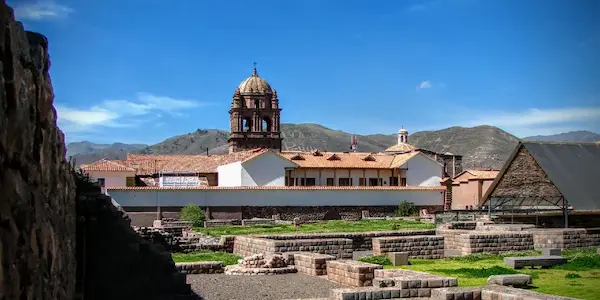
Churches, cathedrals, convents, and colonial mansions are all part of this heritage, especially in cities like Cusco, Lima, and Arequipa. These sites reflect the cultural transformation that occurred during the colonial period and how Indigenous and European traditions gradually merged over time.
The blending of styles is one of the reasons Peru’s historical attractions draw both historians and casual travelers. It offers a visible record of cultural evolution that is rare in many other parts of the world.
Lesser-known gems in Peru’s historical heritage
While Machu Picchu often dominates global attention, Peru’s historical landscape includes many lesser-known sites that are equally important for understanding its past.
- Kuelap in northern Peru, a massive fortress built by the Chachapoya culture
- Chan Chan, considered the largest adobe city in the world
- Caral, one of the oldest known civilizations in the Americas
- Chavín de Huántar, a ceremonial center with deep religious and symbolic significance
These sites show that Peru’s historical heritage is not limited to a single civilization or region. Instead, it represents thousands of years of continuous cultural development across diverse landscapes, from coastal deserts to high Andean mountains.
You might be interested in reading: 5 best places to visit in Peru
Cultural experiences connected to historical sites in Peru
Cultural interpretation plays a key role in understanding Peru’s historical attractions. Museums, guided tours, and community-based experiences help connect visitors with the meaning behind each site, turning physical remains into living stories that are easier to understand and appreciate.
For example, cultural institutions such as 20 National Animals of Peru provide educational context about biodiversity and cultural symbolism, showing how nature and history are deeply connected in Peruvian identity. This perspective helps travelers understand that heritage in Peru is not only architectural, but also ecological and symbolic.
Meanwhile, tourism experiences like museums in Cusco – Peru allow travelers to better understand Inca history, colonial transformation, and artistic development. These spaces translate archaeological findings into accessible narratives, helping visitors connect artifacts with the civilizations that created them.
In addition, seasonal guides like Peru in May are essential for planning visits, since climate conditions strongly influence travel comfort and accessibility. Choosing the right season can significantly improve the experience when exploring archaeological sites across different regions.
Travel tips for exploring historical sites in Peru
Planning is essential when visiting Peru’s historical destinations, especially because many sites are located in high-altitude or remote areas. Proper preparation ensures a safer and more enjoyable experience.
- Acclimatize before visiting high-altitude sites such as Cusco and Machu Picchu
- Book guided tours to gain deeper historical and cultural understanding
- Wear layered clothing due to strong temperature changes throughout the day
- Carry water and sun protection, especially in exposed archaeological areas
- Respect conservation rules and site regulations to help preserve heritage
- Plan routes in advance to optimize travel time and avoid unnecessary fatigue
A well-structured Peru travel guide can significantly improve the overall experience, helping travelers move efficiently between regions while gaining a clearer understanding of the country’s historical depth.
You might be interested in reading: Glamping in the Desert: A Magical Escape Beneath the Peruvian Stars
Suggested itinerary for Historical sites in Peru 2026
A balanced itinerary for Historical sites in Peru 2026 often includes:
- Day 1–3: Lima historical center and museums: Explore the colonial architecture of the city center, visit key museums, and understand how coastal civilizations and Spanish influence shaped Peru’s capital over time. This stage provides an important introduction to the country’s layered history.
- Day 4–7: Cusco and Sacred Valley exploration: Discover the heart of the Inca civilization through ancient streets, archaeological sites, and surrounding valleys. This region combines living culture with monumental history, offering one of the most immersive cultural experiences in the country.
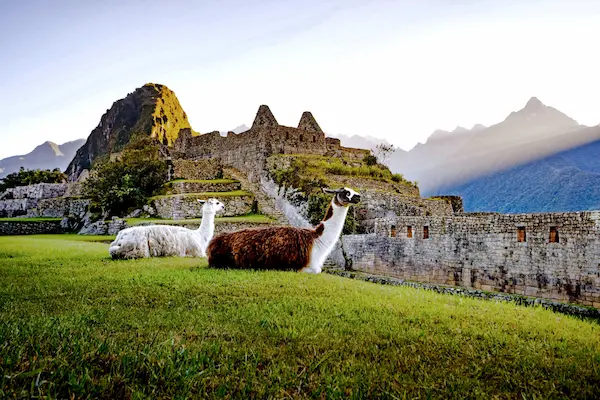
- Day 8–10: Machu Picchu and surrounding archaeological sites: Visit one of the most iconic heritage sites in the world, along with nearby complexes that reveal the engineering and spiritual depth of the Inca Empire. This stage is often the highlight of the journey for many travelers.
- Day 11–12: Northern or southern cultural extensions: Extend the trip to explore additional civilizations such as Moche, Chimú, or Chachapoya, depending on the chosen route. These regions add depth and diversity to the overall historical experience.
This structure allows travelers to experience the diversity of Historical sites in Peru 2026 without rushing through key locations.
Final reflection on Historical sites in Peru 2026
Understanding Historical sites in Peru 2026 is not just about visiting ruins or taking photos. It is about connecting with thousands of years of human history, cultural transformation, and architectural achievement. Peru offers one of the most complete historical narratives in the world, where every region contributes a different layer to the story.
From ancient civilizations to colonial cities and living cultural traditions, Historical sites in Peru 2026 continues to evolve as a global reference for cultural tourism. Travelers who explore it deeply often find that each site is not isolated but part of a larger, interconnected history.
In the end, Historical sites in Peru 2026 represents more than a travel trend—it represents a journey through time, identity, and human creativity that continues to inspire visitors from all over the world.
