




Andean wildlife is one of Peru’s greatest natural treasures and represents a fundamental part of South America’s biodiversity. Along the Andes mountain range, numerous species have developed remarkable adaptations that allow them to survive in high-altitude ecosystems, where low temperatures, strong winds, and rugged terrain are common. Thanks to this diversity, Andean wildlife has become one of the main natural attractions for travelers who want to explore the Peruvian highlands and their breathtaking landscapes.
Beyond its ecological importance, Andean wildlife also maintains a close connection with the traditions and customs of Andean communities. Many animals are part of economic activities, cultural expressions, and ancestral legends passed down from generation to generation. From iconic mammals to impressive birds, these species reflect the extraordinary natural wealth found in the Peruvian Andes and the importance of preserving these unique ecosystems.
You might be interested in: Incas Expeditions: Top Peru tour operator
What characterizes Andean wildlife?
Andean wildlife is characterized by inhabiting ecosystems located at high altitudes, where climate conditions are usually extreme throughout much of the year. Many species must endure low temperatures, strong winds, and reduced oxygen levels, which is why they have developed special abilities to survive. These adaptations allow animals to move and feed in mountainous areas that are often difficult to access.
The Andes mountain range crosses a large part of Peru and creates a wide variety of natural habitats. Within these areas, it is possible to find lagoons, mountains, valleys, and extensive highland plains where different species thrive. Because of this, Andean wildlife in Peru stands out for its enormous biodiversity and for sheltering unique animals that play an essential role in the ecological balance of the region.
Among the main characteristics of Andean wildlife are:
- Adaptation to high altitudes.
- Resistance to low temperatures.
- Diversity of native species.
- Ecological and cultural importance.
- Presence in mountainous ecosystems.
1. The llama
The llama is one of the most representative animals of Andean wildlife and has accompanied Andean communities since ancient times. This domesticated mammal was used by ancient civilizations as a means of transportation and cargo because of its physical endurance and ability to travel long distances across mountainous terrain. Today, it continues to be an important species for many rural populations in the Peruvian highlands.
In addition to its historical importance, the llama stands out for its ability to adapt to high-altitude regions and for its thick coat, which protects it from cold temperatures. In tourist destinations such as Cusco, Puno, and Arequipa, llamas are commonly seen among landscapes surrounded by mountains and lagoons. Due to its cultural and economic relevance, this animal remains one of the greatest symbols of the Peruvian Andes.
Characteristics of the llama
- Thick and resistant fur.
- Strong ability to carry heavy loads.
- Adaptation to high-altitude areas.
- Cultural importance in the Andes.
2. The alpaca
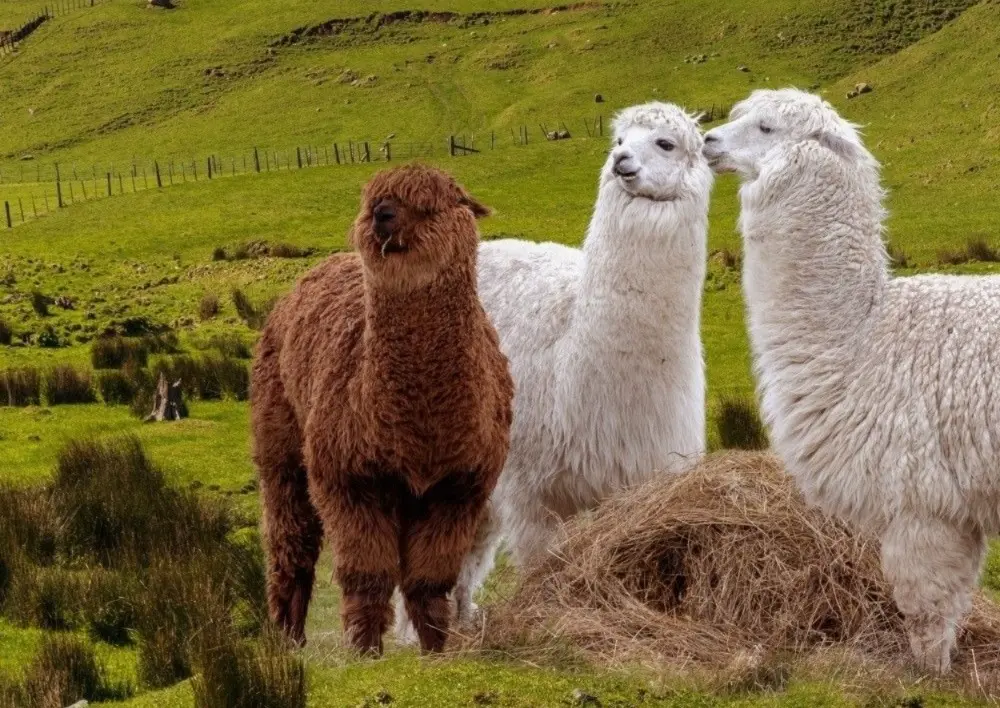
The alpaca is another well-known species of Andean wildlife in Peru and is internationally recognized for the quality of its fiber. Its wool is considered one of the softest and finest in the world, which is why it has significant economic value in several highland regions. As a result, thousands of families depend on alpaca breeding as part of their traditional activities.
Unlike the llama, the alpaca is smaller in size and has a much thicker coat. This animal is commonly raised in regions such as Arequipa, Cusco, and Puno, where climate conditions favor its development. Besides its economic importance, the alpaca is also part of tourism activities related to Andean ecosystems and the local culture of rural communities.
Characteristics of the alpaca
- Soft and fine fiber.
- Smaller size than the llama.
- Local economic importance.
- Presence in high-altitude regions.
You might be interested in: How to choose the Inca trail best tour company right?
3. The Andean condor
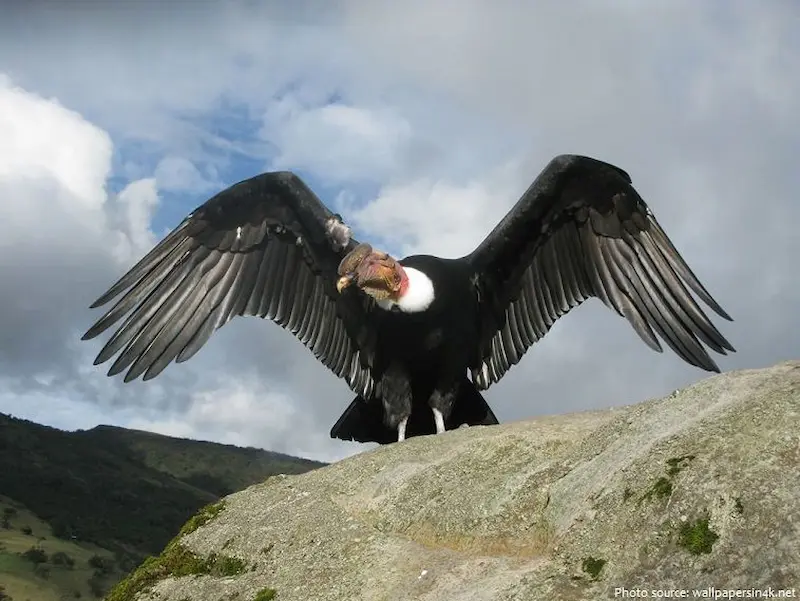
The Andean condor is one of the most impressive birds of Andean wildlife and one of the most representative symbols of the Andes. It stands out for its enormous size and for having one of the largest wingspans among flying birds in the world. Its graceful flight over mountains and canyons attracts thousands of travelers each year who wish to observe this majestic species in its natural habitat.
Within Andean culture, the condor symbolizes strength, freedom, and spiritual connection with nature. One of the best places to observe it is the Colca Canyon in Arequipa, where it uses air currents to glide across long distances. Conserving this species is essential to maintaining the ecological balance of Andean wildlife and protecting biodiversity in the Peruvian Andes.
Characteristics of the Andean condor
- Large size and wingspan.
- Inhabits mountainous areas.
- Cultural symbol of the Andes.
- Ability to fly long distances.
4. The vicuña
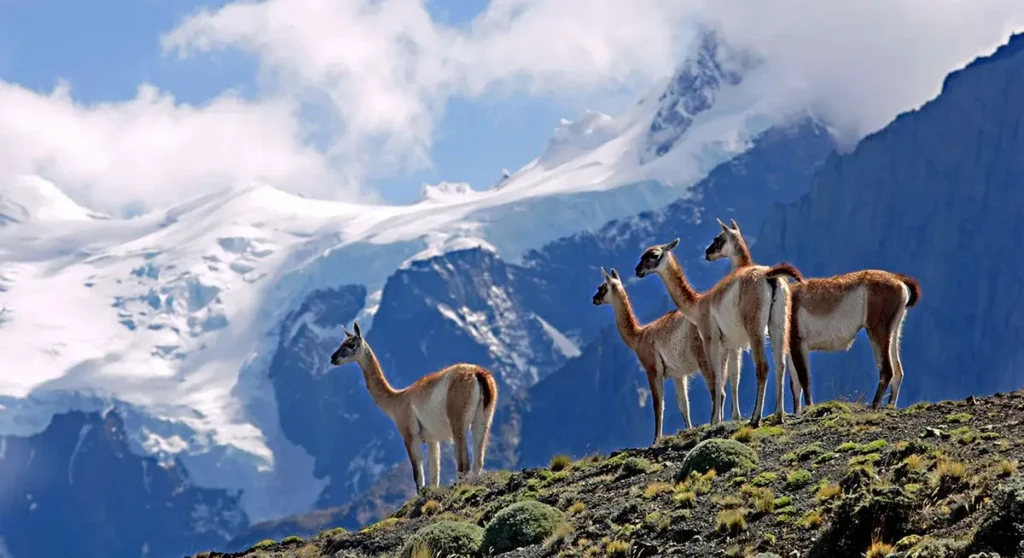
The vicuña is one of the most valuable wild species of Andean wildlife and is known for producing one of the most exclusive fibers in the world. This elegant camelid mainly inhabits extensive highland plains and usually moves in groups to protect itself from potential threats. Its slim appearance and adaptability allow it to survive in extreme climates.
For many years, the vicuña was endangered due to illegal hunting and habitat loss. However, thanks to various conservation programs implemented in Peru, its population has recovered in several high-altitude regions. Today, the vicuña represents one of the greatest symbols of environmental protection within Peru’s Andean biodiversity.
Characteristics of the vicuña
- Very fine and exclusive fiber.
- Protected wild animal.
- Adaptation to extreme climates.
- Presence in highland plains.
You might be interested in: Where are the best sunsets in the world?: a global guide with a special focus on Peru
5. The spectacled bear
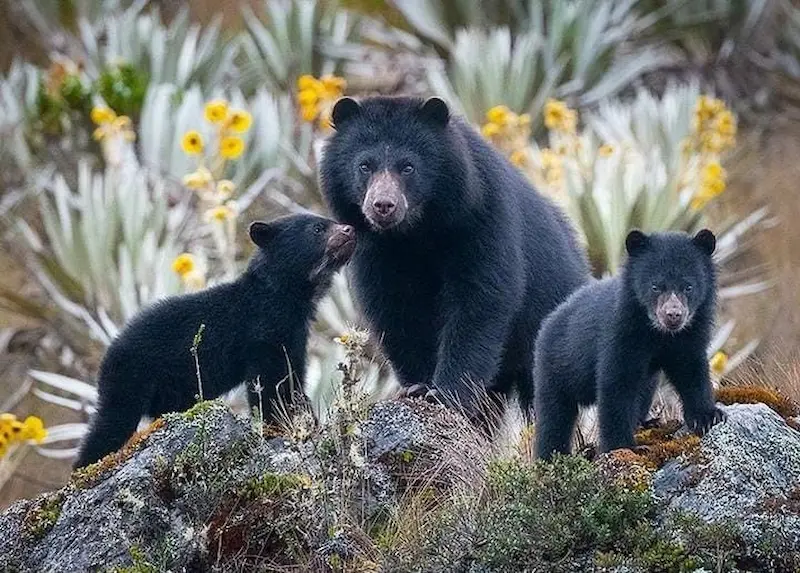
The spectacled bear is the only native bear species in South America and one of the most fascinating animals of Andean wildlife. Its name comes from the light-colored markings around its eyes, which resemble eyeglasses. This animal mainly inhabits mountain forests and areas near the Andes, where it finds food and shelter.
Although it is difficult to observe because of its reserved behavior, the spectacled bear plays an important role in ecological balance. In addition to feeding on fruits and plants, it helps disperse seeds and contributes to the natural regeneration of forests. For this reason, protecting this species is essential to preserving Andean biodiversity and mountain ecosystems in Peru.
Characteristics of the spectacled bear
- Only bear native to South America.
- Reserved and solitary behavior.
- Varied diet.
- Ecological importance.
6. The Andean puma
The Andean puma is one of the most important predators of Andean wildlife and stands out for its strength, speed, and agility. This feline inhabits different mountainous regions of the country and plays a fundamental role in maintaining the natural balance of highland ecosystems. Thanks to its hunting abilities, it helps control populations of other species within its environment.
In ancient Andean cultures, the puma represented power and wisdom, which is why it had a strong presence in Inca symbolism. Although it is difficult to observe in the wild, its existence remains essential for preserving the biodiversity of the region and maintaining ecological balance in the Peruvian Andes.
Characteristics of the Andean puma
- Great adaptability.
- Excellent hunter.
- Cultural importance in the Andes.
- Key predator within the ecosystem.
You might be interested in: Peruvian Folklore: Myths and Legends
7. The Andean fox
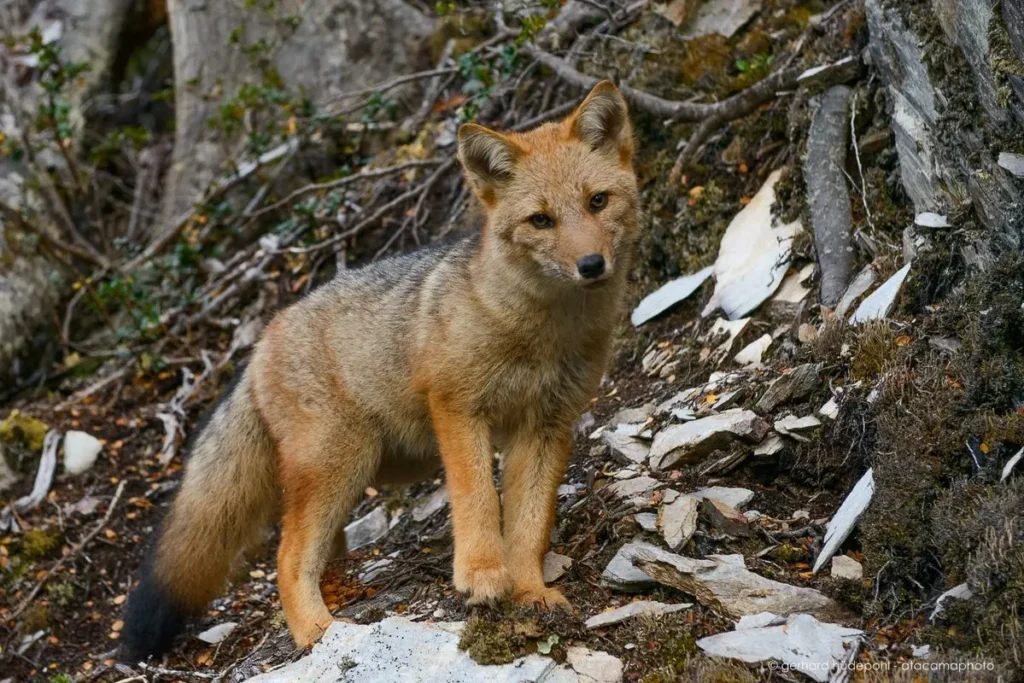
The Andean fox is an adaptable species that forms part of Andean wildlife and can be found in different mountainous regions of Peru. This animal has thick fur that helps it withstand the low temperatures typical of high-altitude ecosystems. In addition, it stands out for its agility and ability to move across difficult terrain.
Its diet is varied and includes small animals, fruits, and insects. Thanks to its adaptability, the Andean fox can survive in environments where other species would struggle. Currently, several conservation programs aim to protect this member of Andean ecosystems from threats such as habitat loss and illegal hunting.
Characteristics of the Andean fox
- Fur resistant to cold weather.
- Diverse diet.
- Great adaptability.
- Presence in mountainous regions.
8. The Andean flamingo
The Andean flamingo is one of the most striking birds of Andean wildlife in Peru thanks to its pink plumage and long legs. This species inhabits lagoons and high-altitude wetlands, where it usually moves in groups surrounded by impressive natural landscapes. Its presence adds color and beauty to several mountain ecosystems.
One of the best places to observe Andean flamingos is the Salinas and Aguada Blanca National Reserve in Arequipa. There, these birds find ideal conditions for feeding and reproduction within protected environments. Thanks to its unique appearance and ecological relevance, the flamingo has become one of the most representative animals of the Peruvian Andes.
Characteristics of the Andean flamingo
- Distinctive pink plumage.
- Lives in high-altitude lagoons.
- Inhabits wetlands and reserves.
- Representative bird of the Andes.
You might be interested in: Rainbow Mountain in Peru: Travel Guide Cusco 2026
Where to observe Andean wildlife in Peru?
Peru has numerous destinations that are ideal for observing Andean wildlife in its natural habitat. Many national parks and reserves protect ecosystems where emblematic species such as vicuñas, flamingos, alpacas, and condors live. Thanks to these protected areas, travelers can enjoy unique experiences related to nature tourism and wildlife observation.
Among the most recommended places are the Salinas and Aguada Blanca National Reserve, Huascarán National Park, and several rural areas in Cusco and Puno. In addition to admiring breathtaking mountain landscapes, visitors have the opportunity to learn about the diversity of species and understand the importance of preserving these ecosystems for future generations.
Recommended places
- Salinas and Aguada Blanca National Reserve.
- Huascarán National Park.
- Cusco and Andean communities.
- Puno and the surroundings of Lake Titicaca.
Tips for observing Andean wildlife responsibly
Observing Andean wildlife can become an unforgettable experience, but it is important to do so responsibly in order to protect species and their natural environment. Keeping a safe distance and avoiding feeding animals helps preserve their natural behavior and reduces possible risks to their survival within high-altitude ecosystems.
It is also recommended to follow authorized routes only and avoid leaving waste during visits. Choosing tour operators committed to sustainable tourism is another excellent way to support the conservation of Andean species and promote responsible practices that help protect biodiversity in the Peruvian Andes.
Important recommendations
- Do not feed the animals.
- Keep a safe distance.
- Respect authorized trails.
- Avoid leaving waste behind.
Conservation and nature
Andean wildlife in Peru represents one of the most important expressions of biodiversity in South America and reflects the extraordinary natural wealth of the Andes. Thanks to the variety of ecosystems present throughout the mountain range, many species have adapted to extreme conditions and become representative symbols of Peruvian culture and Andean communities.
Animals such as the llama, alpaca, Andean condor, and vicuña are an essential part of the country’s natural and cultural identity. Protecting Andean wildlife through responsible practices and conservation programs is essential to ensure that future generations continue to enjoy the incredible biodiversity and natural beauty that characterize Peru.
