




Fishing in the Amazon River is one of those experiences that’s genuinely hard to put into words once you’ve been there. The scale of the ecosystem alone is enough to make most anglers stop and stare before they even pick up a rod. More than 3,000 known fish species live somewhere inside this river system, distributed across nine countries and six million square kilometers of rivers, tributaries, flooded forests and hidden lagoons. For context, the entire continent of Europe holds fewer than 350 freshwater fish species.
That number keeps growing. Researchers documented new species of armored catfish and electric knifefish as recently as 2024 and 2025, in rivers that local communities have fished for generations. The Amazon is still being discovered, which is part of what makes fishing there feel like something other than a typical fishing trip. This guide covers the species, the seasons, the techniques and the logistics in enough detail to actually plan something real.
You might be interested in reading: What to do in Lima for a day
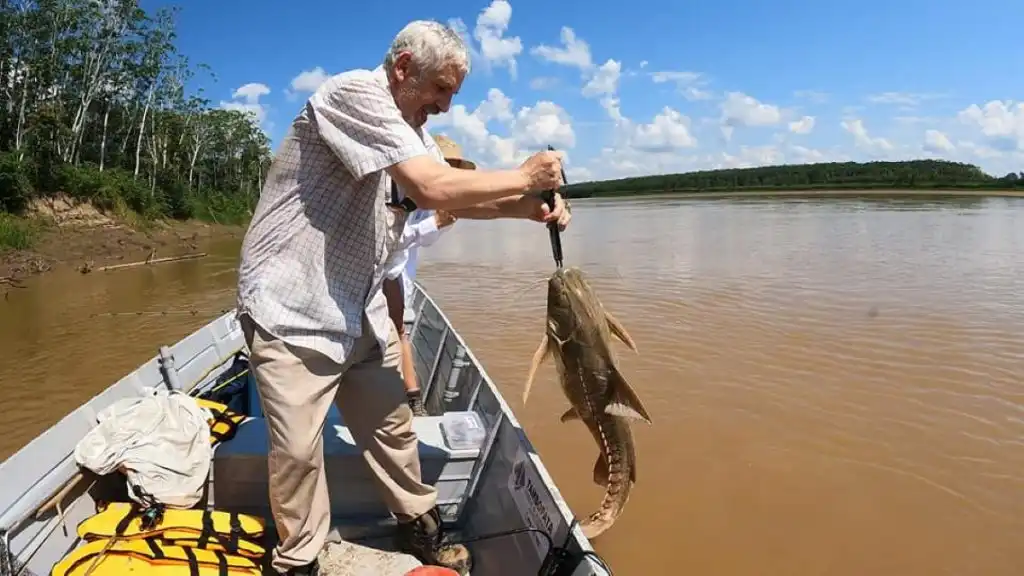
Why the Amazon river is one of the best fishing destinations
The amazon river basin covers more than six million square kilometers and is considered the largest river system on earth. Its immense size and complex network of waterways create the ideal habitat for an extraordinary number of fish species.
The river and its tributaries change constantly during the year. Seasonal rains cause water levels to rise and fall dramatically, transforming the landscape. In the rainy months the forest floods and fish move into newly submerged areas, while during the dry season they concentrate in rivers and lagoons.
This constant movement of water and nutrients helps sustain an ecosystem that supports some of the most fascinating freshwater fish on the planet. For anglers and nature travelers, the amazon offers a rare opportunity to fish in remote rainforest environments that remain largely untouched.
The amazon river is home to an extraordinary range of fish species, but a few stand out for anglers and travelers because of their size, behavior or cultural importance. Some are prized sport fish known for powerful fights, while others are part of local diets and traditional fishing practices. Understanding these species helps visitors appreciate why fishing in the amazon is considered one of the most unique freshwater experiences in the world.
You might be interested in reading: 15 fun things to do in cusco for first-time travelers
Species of fish in the Amazon River
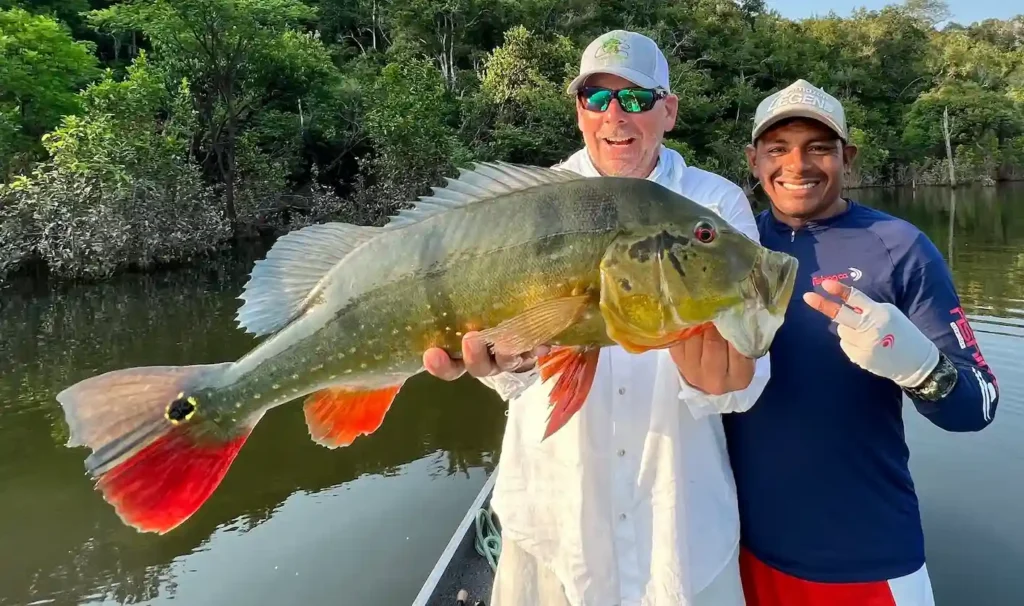
Peacock Bass
Peacock bass is the species most anglers travel to the amazon to catch. Known locally as tucunaré, it is one of the most aggressive freshwater predators in south america. These fish attack lures with explosive strikes and fight hard as they try to escape toward submerged branches and river structures.
Most peacock bass caught in the amazon weigh between 10 and 22 pounds, although larger specimens over 25 pounds are considered trophies. They are especially active during the low water season, when fish concentrate in lagoons and smaller river channels.
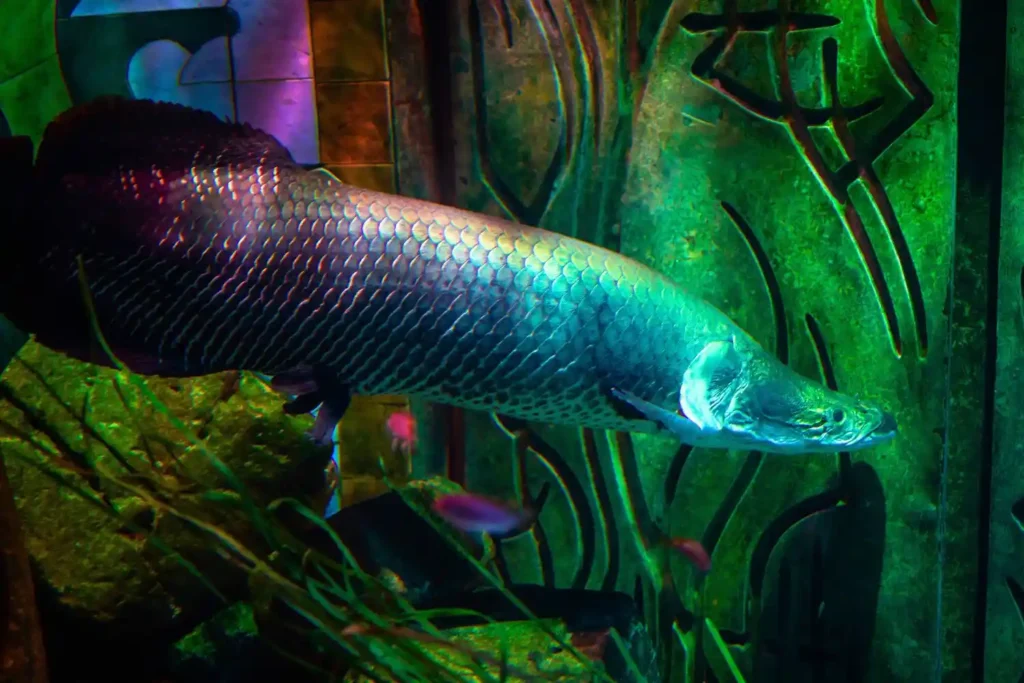
Arapaima
The arapaima, known as paiche in peru, is one of the largest freshwater fish in the world. Adults commonly reach between six and eight feet in length and can weigh several hundred pounds. One of its most unusual traits is that it must surface regularly to breathe air.
Because of historical overfishing, many regions now protect this species through conservation programs and regulated catch and release tourism. Community managed reserves in the amazon have helped restore populations while allowing controlled fishing experiences.
Payara
The payara, sometimes called the vampire fish, is known for the long fangs that extend from its lower jaw. These predators live in strong currents near rapids and rocky river sections.
They are fast and powerful fish that challenge experienced anglers. Their sharp teeth often require specialized fishing gear to prevent lines from being cut during the fight.
Redtail Catfish and Piraíba
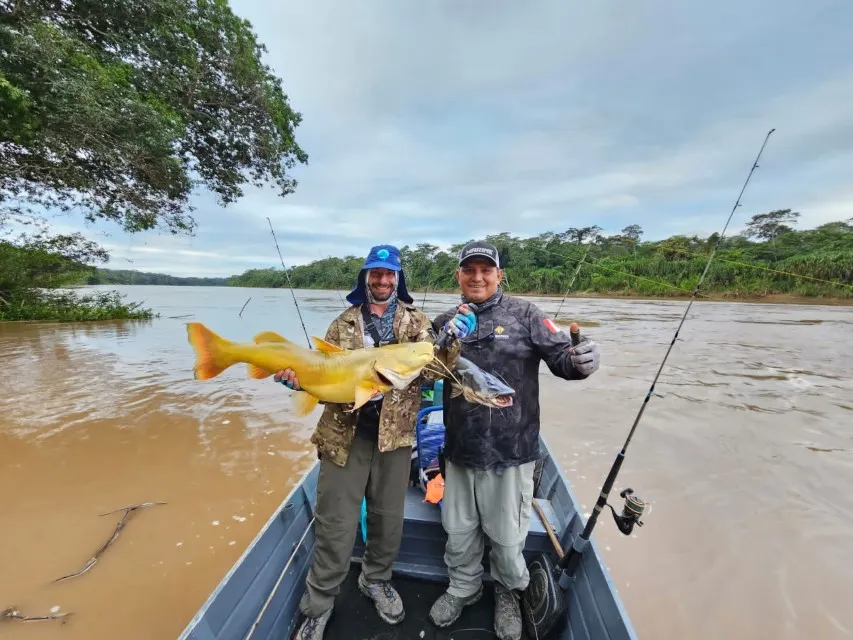
The amazon river system contains hundreds of catfish species. Two of the most notable are the redtail catfish and the piraíba. The redtail catfish is easily recognized by its bright orange tail and can grow well over 100 pounds.
The piraíba is even larger and can reach lengths close to seven feet. These giant catfish are usually caught at night or late in the afternoon when they move into deeper channels and feeding areas along sandbanks and river islands.
Tambaqui
The tambaqui, also called pacu, has a very different feeding behavior compared to most predators in the amazon. Instead of hunting fish, it feeds largely on fruits and seeds that fall into the water during the flood season.
When forests become flooded, tambaqui move among the trees searching for food. They have strong teeth capable of cracking hard nuts and seeds. In many parts of the amazon they are also valued as one of the best tasting freshwater fish.
Piranha
Piranhas are among the most famous fish of the amazon, although their reputation is often exaggerated. In reality they are opportunistic feeders that often scavenge for food and live in groups in calm backwaters.
They are commonly caught during short fishing excursions using simple bait and light fishing lines. Piranhas are also widely eaten in the amazon and are often served fried in local meals along the river.
Arowana
The arowana is a surface hunting fish that lives near riverbanks and areas with overhanging vegetation. It feeds on insects, small animals and occasionally birds that fall near the water.
This species is known for its ability to leap out of the water while chasing prey. Because of its distinctive appearance and acrobatic fights, it is one of the most interesting fish travelers may encounter while fishing in the amazon.
You might be interested in reading: 5 best places to visit in Peru
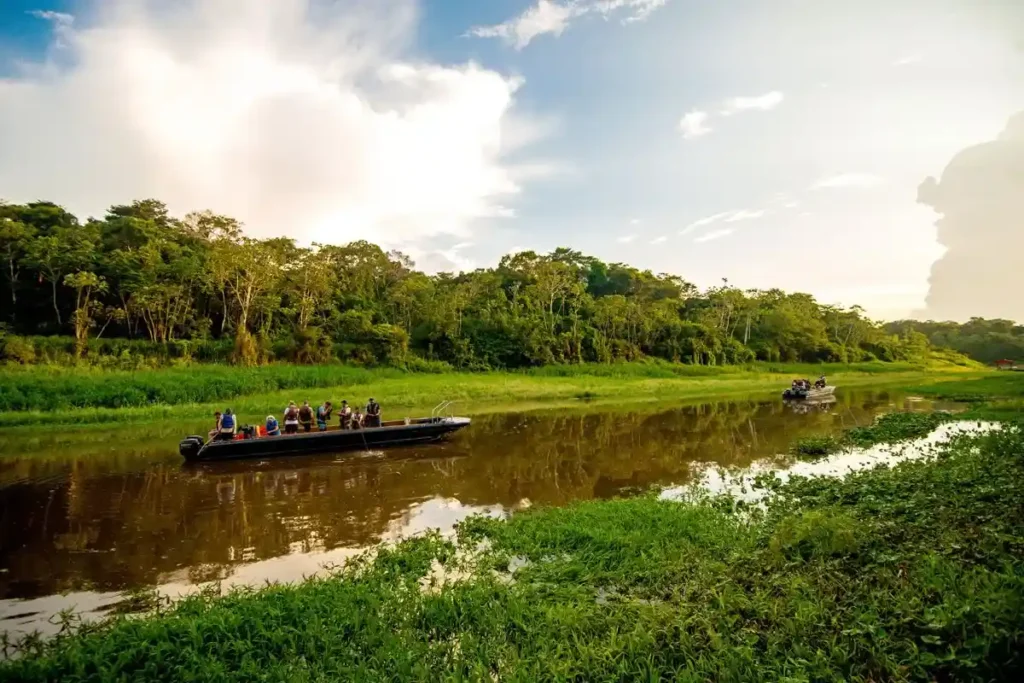
Where to fish in the Amazon River
The amazon basin is enormous and fishing opportunities exist across several countries. However, not every river or section of the rainforest allows unrestricted fishing. Some areas are protected reserves where fishing is limited, regulated or only allowed with authorized guides. Understanding these differences is important before planning a trip.
Rio Negro, Brazil
The Rio Negro is one of the most famous fishing destinations in the amazon and the largest blackwater river in the world. It is particularly known for producing some of the biggest peacock bass ever recorded. The area around Barcelos has many established fishing operations, and most trips are organized through lodges or floating camps accessed from Manaus.
Fishing here is generally allowed through licensed operators, but certain sections may be managed to reduce fishing pressure. Responsible outfitters often rotate fishing zones to protect fish populations and maintain healthy ecosystems.
Rio Branco Tributaries
Tributaries of the Rio Branco such as the Rio Curiucu, Rio Mata Mata and Rio Carimam offer remote fishing environments with relatively low fishing pressure. These rivers are known for species such as peacock bass, arapaima and arowana.
Access to these tributaries is usually organized through specialized fishing expeditions because the areas are remote and require logistical planning. Fishing itself is not broadly prohibited, but it typically occurs within guided operations that follow local regulations.
Água Boa, Pará State
The Água Boa River in Pará has developed a strong reputation among fly fishing enthusiasts. During low water periods the river offers clear conditions that make sight fishing for peacock bass possible.
Fishing here operates mainly through long established lodge systems that manage access to the river. These controlled operations help limit overfishing and maintain sustainable fishing practices in the region.
Iquitos and the Peruvian Amazon
Iquitos is one of the main gateways to fishing in the western amazon, and many travelers arrive here before joining tours in iquitos that explore the surrounding rivers and rainforest. From the city it is possible to access waterways such as the Nanay and Itaya rivers, as well as numerous nearby lakes and tributaries where fishing excursions are commonly organized.
However, some nearby areas are protected. For example, the Pacaya Samiria National Reserve is a major conservation zone where fishing activities are regulated. In many parts of the reserve, commercial fishing is restricted and tourism fishing activities must follow conservation guidelines, often focusing on catch and release or community managed programs.
Colombian and Bolivian Amazon
Parts of the colombian and bolivian amazon remain far less visited than the better known brazilian and peruvian fishing regions. These remote areas can offer excellent fishing conditions, particularly for species such as payara in rivers with strong currents.
Fishing is generally possible in these countries, but certain rivers may fall within national parks or indigenous territories where permits or local authorization are required. Because of this, fishing trips are usually organized through specialized guides who understand the regulations and access routes.
Protected areas and fishing restrictions
While fishing is widely practiced across the amazon basin, some areas are fully protected and do not allow recreational fishing. National parks, wildlife reserves and indigenous territories may impose restrictions to protect biodiversity and local resources. Regions such as the tambopata jungle in southeastern peru are known for their exceptional wildlife and conservation programs, where many areas focus more on ecological protection and responsible tourism than on sport fishing.
For this reason, most visitors fish through guided tours or lodges that operate legally within approved zones. These operators help ensure that fishing activities follow conservation rules and respect the ecological importance of the amazon river system.
You might be interested in: 15 Best trekking tours in Peru: Guide to the Andes Treks
Best time for fishing in the Amazon River
The best time for fishing in the amazon river depends largely on water levels rather than traditional seasons. Instead of winter and summer, the amazon follows a cycle of wet and dry periods that change river conditions throughout the year. These seasonal changes influence where fish are located and how easy they are to catch.
In many parts of the amazon basin, the dry season usually runs from July to February and is considered the most productive time for fishing. As water levels drop, fish gather in rivers, channels and lagoons, making them easier to locate. Months such as September and October are often seen as particularly good for sport fishing because conditions tend to be stable and many species are active.
During the wet season, which typically occurs from March to June, heavy rainfall causes rivers to rise and flood large areas of forest. Fish spread out across these flooded environments where food becomes abundant. While fishing can still be done during this time, the larger area makes fish more difficult to find.
Different species also have slightly different peak periods. Peacock bass are often most active during lower water levels, while species like tambaqui move into flooded forests during the high water season to feed on fruits and seeds. Piranhas, on the other hand, can be caught throughout the year in many areas of the amazon.
You might be interested in: 10 National Animals of Peru You Should Know
Fishing techniques that work in the Amazon
The Amazon doesn’t reward generic technique. Fish that evolved in one of the most competitive predator environments on Earth are not impressed by standard approaches. What works on a bass lake in Georgia or a trout stream in Montana won’t automatically translate here. The techniques below are what guides who’ve spent years on these rivers actually use.
Topwater for Peacock Bass
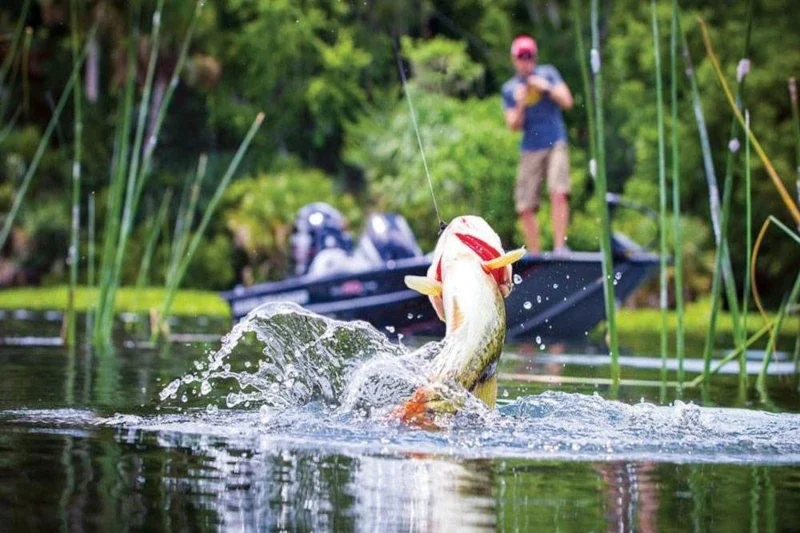
The most productive peacock bass technique, and the one that most anglers describe as the reason they came back, is topwater fishing with prop baits or poppers. A 6-inch prop bait worked with an aggressive rip-rip-rip retrieve, with almost no pause between pulls, mimics fleeing prey and draws explosive strikes from fish that would ignore a slower presentation.
Walking baits cast tight to flooded timber, worked with rod-tip twitches and an acceleration halfway through the retrieve, are particularly effective for larger fish. The critical detail is that peacock bass lose interest the moment a lure stops moving. Speed and aggression in the retrieve is almost always the right answer.
Sight casting for Arapaima
Arapaima fishing is patience followed by a single high-pressure moment. You locate fish by watching for their regular surfacing pattern. You wait. When a fish surfaces, you have a narrow window to place a cast exactly where it rolled. The retrieve is slow, deliberate and quiet. Any sudden movement or surface disturbance near a big fish will push it down.
Fly anglers targeting arapaima use 12-weight rods with 80 to 100 lb fluorocarbon leaders and large bright streamers in black, white, red and orange. The streamer is presented near the surface right where the fish rolled and stripped in short, slow pulls.
Traditional and local techniques
Much of the real fishing knowledge in the Amazon lives with guides who grew up on these rivers. Many of them fish with methods that don’t appear in any gear catalog: handlines dropped into specific current seams at specific times of day, traditional baits made from local materials, positioning decisions based on a lifetime of observation about where fish move as water levels change week by week.
Fly fishing has also become established on certain Amazon rivers, particularly on the Água Boa in Pará state, where large peacock bass cruise the main channel during low water and sight-casting with streamers produces some of the most technically demanding and rewarding freshwater fishing anywhere.
Tips for fishing in the Amazon River
Planning a fishing trip in the amazon involves more than choosing a river or targeting a specific species. Conditions in the rainforest can change quickly, and the environment is very different from typical freshwater fishing destinations. Knowing how to prepare and what to expect can make the experience much safer and more enjoyable.
Respect local regulations and protected areas
Before fishing in any part of the amazon basin, it is important to understand that many rivers and lakes fall within protected areas or conservation zones. Some locations only allow fishing with permits, while others may restrict certain species or require catch and release practices.
Travelers should always verify local regulations or fish with licensed operators who understand the rules of the region. This helps protect fish populations and ensures that the activity supports conservation and local communities.
Understand the river conditions
The amazon is not a static environment. Water levels change dramatically during the year, which affects where fish are located and how accessible certain areas are. Channels, lagoons and flooded forests may look completely different depending on the season.
Before planning a trip, it helps to learn about the seasonal cycle of the region you plan to visit. During low water periods fish concentrate in rivers and lakes, while during high water they spread into flooded forest areas.
Be prepared for the rainforest climate
Fishing in the amazon means spending long hours outdoors in a tropical climate. Temperatures remain warm throughout the year and humidity levels are high.
Lightweight clothing, sun protection and insect repellent are essential for comfort during fishing trips. Sudden rain showers are also common, so being prepared for wet conditions is part of the experience.
Use appropriate fishing equipment
Many amazon fish species are strong and capable of powerful fights. Because of this, equipment should be chosen carefully. Strong lines, durable rods and reliable hooks are important when targeting larger species such as peacock bass or catfish.
Even smaller fish like piranhas can quickly damage weak gear with their sharp teeth, so using the right tackle helps avoid losing equipment.
Fish responsibly and respect the ecosystem
The amazon river is one of the most important ecosystems on earth. Responsible fishing practices help maintain the balance of wildlife and support sustainable tourism.
Many lodges and guides encourage catch and release fishing for certain species and emphasize respecting the natural environment. Avoid leaving waste behind and follow the guidance of local experts who understand the river. Working with a peru tour operator specialized in the peruvian amazon jungle can also help ensure that fishing trips follow local regulations, support conservation initiatives and respect the communities that live along the river.
Things nobody tells you before fishing in the Amazon river
The equatorial sun is the first challenge most anglers underestimate. UV-rated long-sleeve shirts, a hat with neck coverage and SPF 50 applied before getting in the boat will prevent a miserable experience by day two. The sun works through overcast skies here at a level that doesn’t match temperate-zone intuitions.
Casting volume for peacock bass fishing is exhausting. Two hundred casts a day is normal in active conditions. Shoulders and forearms feel it by the second morning. Pacing yourself on day one costs nothing.
The food at well-run floating camps is genuinely good. Tambaqui grilled over open fire, fresh-caught piranha fried at a riverside lunch stop, proper four-course dinners with regional dishes: these details matter in ways that become apparent after a full day on the water.
Water levels can change within 48 hours after unexpected upstream rain, turning excellent conditions into poor ones with almost no warning. This is normal and is exactly why the best outfitters maintain access to multiple river systems across different rainfall zones. When evaluating operators, ask specifically how they respond when conditions deteriorate in the area you’ve planned to fish.
