




Peru has earned a remarkable reputation on the global culinary stage. Travelers no longer visit the country only for its ancient ruins or breathtaking landscapes; many now arrive motivated by curiosity about its flavors. The typical food of Peru has become a powerful attraction in itself, blending history, biodiversity, and cultural fusion into unforgettable dishes.
From coastal freshness to Andean traditions and Amazonian richness, Peruvian cuisine reflects the country’s extraordinary diversity. Each region contributes ingredients, techniques, and tastes that shape what we know today as the typical food of Peru. This culinary heritage is not just about eating it is about experiencing culture through the senses.
Whether you are planning a trip, exploring world cuisines, or simply looking for inspiration, understanding the typical food of Peru opens the door to a fascinating gastronomic journey. In this guide, we explore why Peruvian cuisine is so celebrated and highlight six iconic dishes you should try at least once.
Why is Peruvian cuisine considered one of the best in the world?
Peruvian gastronomy is often described as one of the richest and most diverse cuisines on the planet. This recognition did not happen by chance. It is the result of geography, history, and cultural integration — all essential elements behind the typical food of Peru. For many travelers, exploring these flavors becomes an unforgettable complement to their Tours a Cuzco, where history, culture, and cuisine naturally converge.
A unique biodiversity
Peru is home to thousands of native ingredients. From potatoes and corn varieties to exotic fruits and seafood, the country offers a natural pantry few nations can rival. This biodiversity allows chefs and home cooks alike to create dishes full of complexity, texture, and color, forming the foundation of the typical food of Peru.
A history of cultural fusion
Peruvian cuisine is a melting pot of influences. Indigenous traditions merged with Spanish colonial techniques, later enriched by African, Chinese, and Japanese culinary contributions. This fusion gave birth to innovative combinations like stir-fried dishes and delicate seafood preparations that define the modern typical food of Peru.
Balance of flavors
One of the most distinctive characteristics of the typical food of Peru is its balance. Acidic, spicy, salty, and savory notes coexist harmoniously. Citrus juices, chili peppers, fresh herbs, and slow-cooked sauces create layered taste experiences.
International recognition
Peru consistently receives global awards for its culinary excellence. Lima, in particular, has become a gastronomic capital, further amplifying interest in the typical food of Peru worldwide.
You might be interested in: Quechuas Expeditions: Your expert guide to Peru
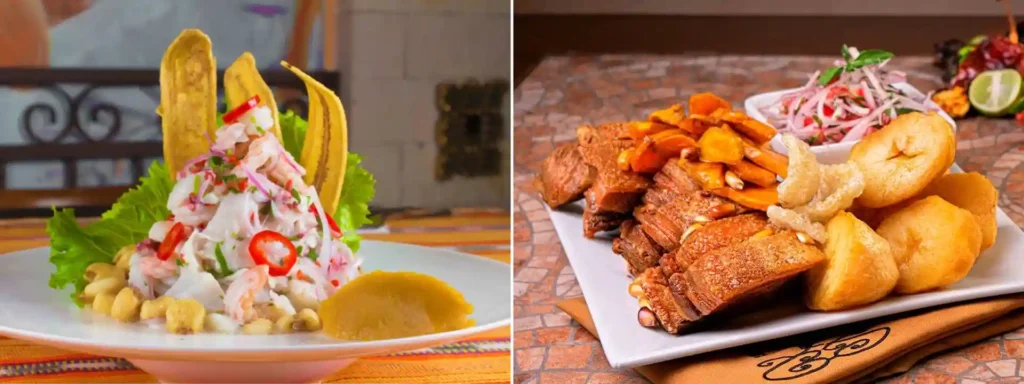
Top 6 typical food of Peru
Peruvian cuisine is a universe of flavors shaped by centuries of history, extraordinary biodiversity, and deep cultural fusion. While the country offers an immense variety of dishes, some preparations have achieved iconic status due to their popularity, heritage, and sensory impact. This selection brings together six culinary experiences that beautifully represent the essence of the typical food of Peru, offering travelers and food enthusiasts a delicious introduction to one of the world’s most celebrated gastronomies.
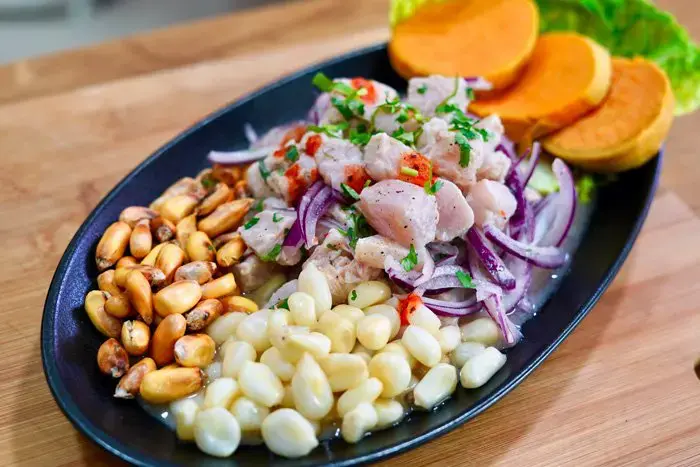
1. Ceviche
Ceviche is not just a dish in Peru it is a symbol of national identity. Widely regarded as the country’s flagship preparation, ceviche embodies freshness, simplicity, and precision. The dish traditionally consists of raw fish marinated in freshly squeezed lime juice, combined with sliced red onions, chili peppers, and cilantro. The acidity of the citrus gently transforms the texture of the fish, creating a delicate balance between tenderness and brightness.
What makes ceviche such a defining example of the typical food of Peru is its reliance on ingredient quality. Fresh fish is essential, as the preparation leaves little room for masking flavors. Each bite delivers a refreshing explosion of acidity, spice, and oceanic purity. Served often with sweet potato, corn, or cancha (toasted corn), ceviche offers contrast in textures and temperatures.
Beyond its taste, ceviche carries cultural meaning. In Peru, it is most commonly enjoyed at lunchtime, when seafood is at its freshest. It is associated with gatherings, celebrations, and moments of shared enjoyment. For many visitors, tasting ceviche becomes their first emotional connection with the typical food of Peru.
You might be interested in: Kenko adventures: authentic experiences in Cusco
2. Lomo Saltado
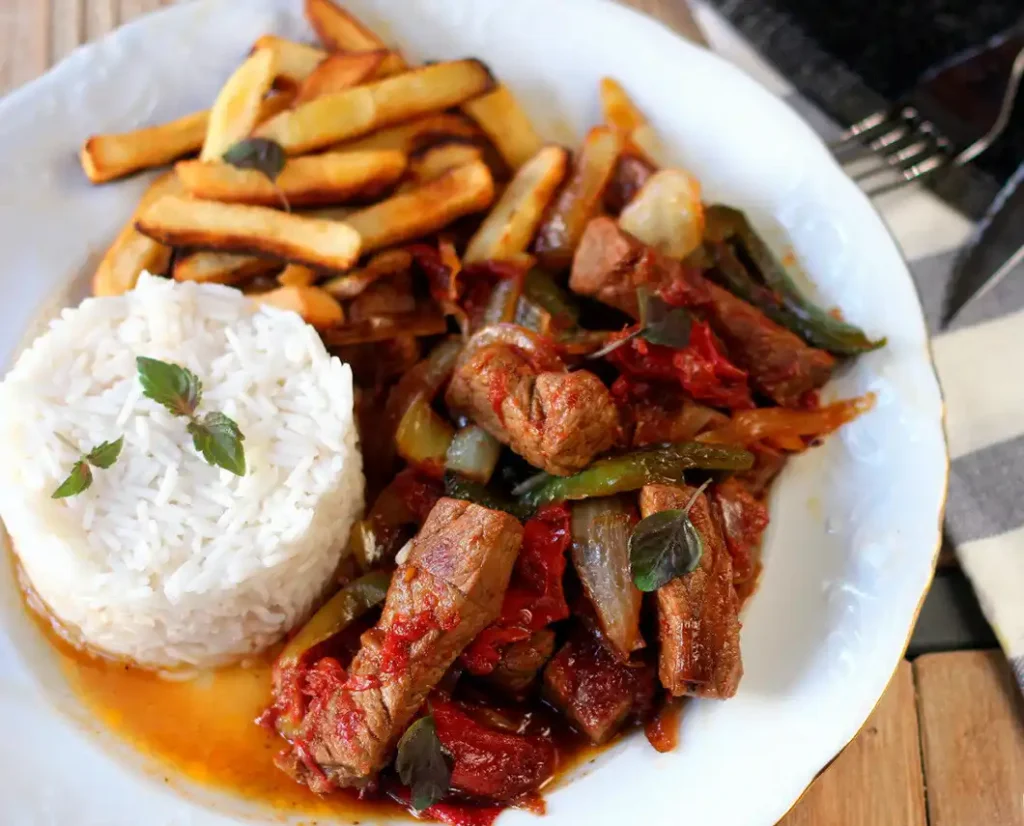
Lomo Saltado perfectly illustrates Peru’s remarkable culinary fusion. This beloved dish combines stir-fried beef with onions, tomatoes, soy sauce, and spices, typically accompanied by white rice and crispy fries. Its preparation technique reflects the influence of Chinese immigrants, whose cooking methods became deeply integrated into Peruvian gastronomy.
The magic of Lomo Saltado lies in its contrasts. The savory depth of soy sauce merges with the natural sweetness of onions and tomatoes, while the quick stir-fry preserves the juiciness of the beef. The combination of rice and fries, though unusual to some, creates a satisfying interplay of textures.
As part of the typical food of Peru, Lomo Saltado represents adaptability and innovation. It demonstrates how Peruvian cuisine embraced external influences while preserving local identity. Today, it is one of the most widely consumed dishes across the country, present in both traditional eateries and contemporary restaurants.
For travelers, Lomo Saltado offers comfort, familiarity, and bold flavor a dish that bridges cultures while remaining unmistakably Peruvian.
You might be interested in: Top 10 Places to visit in Lima Peru in 2026
3. Ají de Gallina
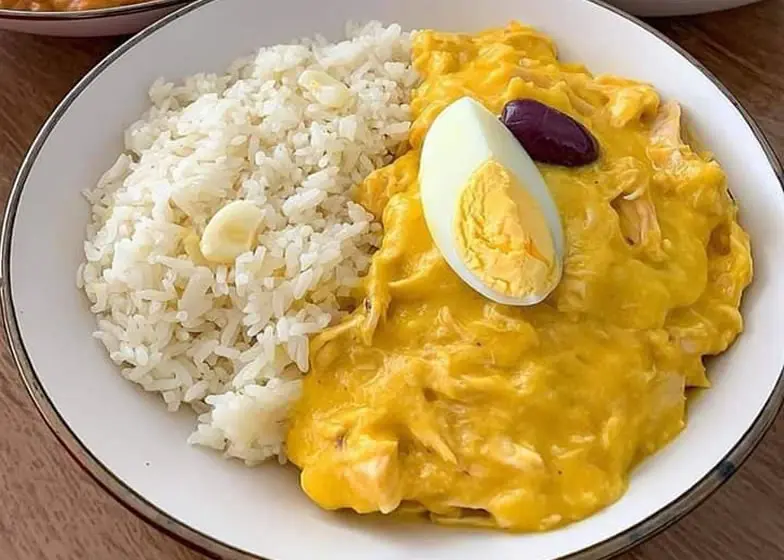
Ají de Gallina is a dish that highlights the creamy, comforting side of the typical food of Peru. Made from shredded chicken bathed in a rich, velvety sauce, the preparation blends yellow chili peppers, bread, milk, cheese, and spices. The result is a smooth, mildly spicy dish with remarkable depth.
Its texture is one of its defining characteristics. The sauce envelops the chicken, creating a silky mouthfeel that contrasts beautifully with garnishes such as boiled eggs, olives, and potatoes. The flavor profile is aromatic rather than fiery, allowing even those sensitive to spice to enjoy the dish.
Ají de Gallina also carries historical resonance. With roots tracing back to colonial times, it reflects the evolution of Peruvian cuisine through ingredient substitution and adaptation. Over generations, it became a staple of home cooking and celebratory meals.
For many visitors exploring the typical food of Peru, Ají de Gallina introduces a softer, heartwarming dimension of the country’s culinary identity.
You might be interested in: Places to Travel in March in Peru
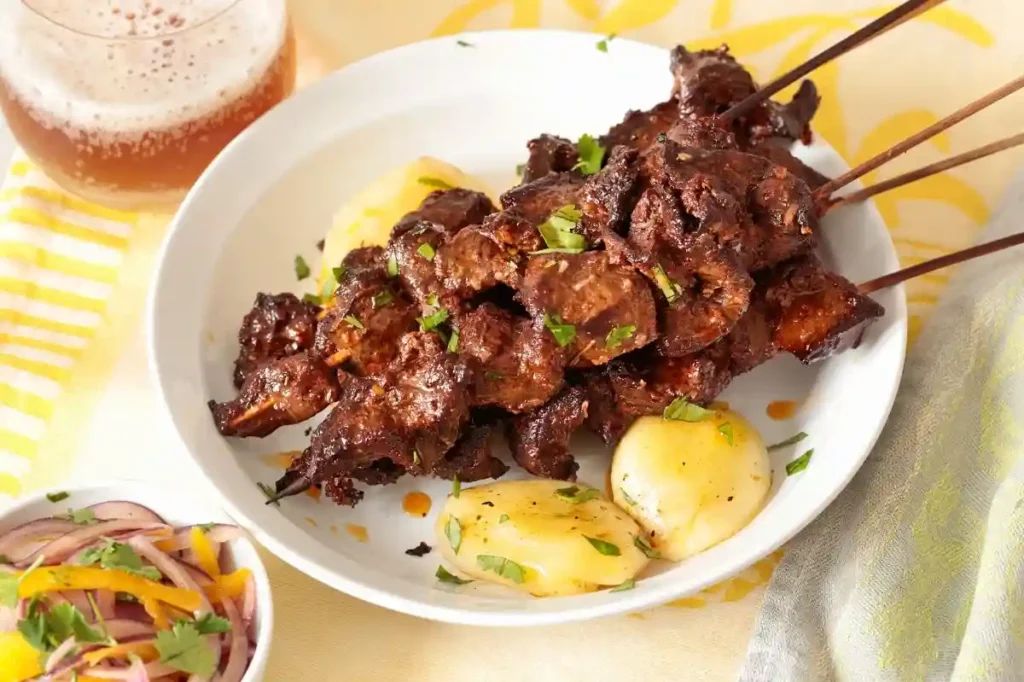
4. Anticuchos
Anticuchos represent one of the most authentic street food experiences in Peru. Traditionally prepared using beef heart, the meat is marinated in vinegar, garlic, chili peppers, and spices before being grilled over open flames. The cooking process produces a smoky aroma and an intensely savory flavor.
Despite initial hesitation from some travelers, anticuchos often become a surprising favorite. The marinade tenderizes the meat, while the grilling enhances its richness. Served on skewers and commonly accompanied by potatoes or corn, anticuchos showcase Peru’s ability to transform humble ingredients into deeply satisfying dishes.
Within the typical food of Peru, anticuchos highlight culinary heritage rooted in both pre-Columbian and Afro-Peruvian traditions. They are a staple of evening food stalls, festivals, and casual gatherings.
Trying anticuchos offers not only a taste of Peru but also an immersion into its everyday culinary culture.
You might be interested in: Andean Road Peru and experiential tourism in the Peruvian Andes
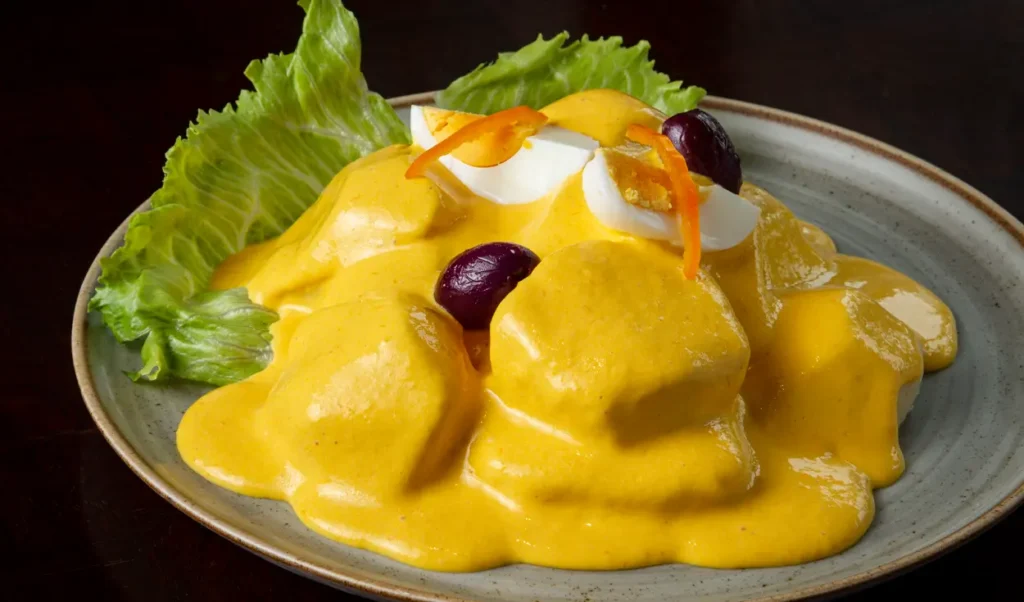
5. Papa a la Huancaína
Papa a la Huancaína is a dish that celebrates Peru’s most emblematic ingredient: the potato. Boiled potatoes are generously covered with a creamy sauce made from yellow chili peppers, cheese, milk, and crackers or bread. The combination produces a smooth, slightly spicy, and deeply comforting flavor.
Peru’s status as the birthplace of thousands of potato varieties makes this dish particularly meaningful within the typical food of Peru. It reflects the importance of native crops and the creativity involved in transforming simple ingredients into memorable preparations.
Often served as an appetizer, Papa a la Huancaína is beloved for its balance. The mild heat of the sauce complements the soft texture of the potatoes, while garnishes like eggs and olives add visual and flavor contrast.
For visitors, this dish offers an accessible yet authentic entry point into the typical food of Peru.
You might be interested in: Eco friendly hotels in Peru: the ultimate guide to sustainable and green stays
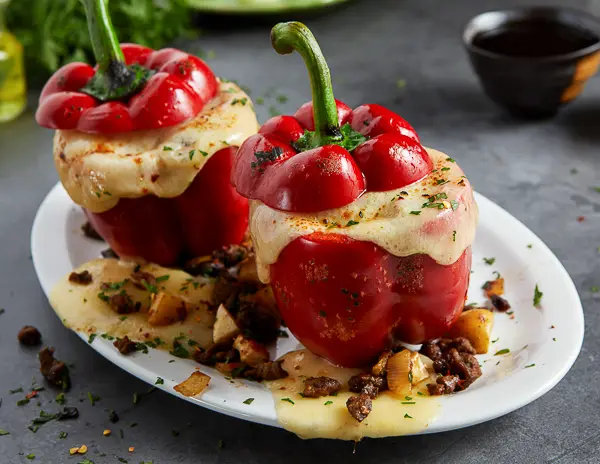
6. Rocoto Relleno
Originating from the southern city of Arequipa, Rocoto Relleno delivers a bold and unforgettable experience. The rocoto pepper, similar in appearance to a bell pepper but significantly spicier, is stuffed with seasoned meat, onions, spices, and cheese, then baked to perfection. This iconic dish becomes a highlight for travelers joining Tours a Arequipa, where the city’s culinary heritage is as captivating as its architecture and landscapes.
This dish stands out within the typical food of Peru for its intensity. The natural heat of the rocoto contrasts with the savory richness of its filling, creating a dramatic and complex flavor profile. The preparation embodies regional identity, reflecting Arequipa’s distinctive culinary traditions.
Rocoto Relleno is often enjoyed alongside pastel de papa (potato gratin), further enhancing the dish’s depth and satisfaction.
For adventurous eaters, it represents one of the most exciting encounters with the typical food of Peru, delivering heat, flavor, and authenticity in every bite.
You might be interested in: Hidden Gems in Peru: Lesser-Known Destinations Worth Discovering
Regional diversity behind the typical food of Peru
The extraordinary richness of the typical food of Peru is inseparable from the country’s geography. Peru is defined by striking contrasts a vast Pacific coastline, the majestic Andes mountains, and the dense Amazon rainforest. Each region contributes unique ingredients, cooking traditions, and flavor identities, creating a cuisine that feels incredibly varied yet deeply cohesive. This diversity is precisely what makes the typical food of Peru so fascinating for travelers and food lovers alike.
Coastal cuisine
Along Peru’s coast, the Pacific Ocean becomes the primary pantry. Fresh fish, shellfish, lime, and ají peppers shape dishes known for their brightness and clean flavors. Preparations often emphasize freshness, acidity, and balance. Many coastal recipes rely on minimal cooking, allowing ingredient quality to remain the central focus. This region is where iconic seafood-based expressions of the typical food of Peru thrive.
Andean cuisine
In the highlands, culinary traditions become heartier and more grounding. Potatoes, corn, quinoa, and native grains dominate the table. The Andes home to thousands of potato varieties provide the backbone of countless dishes within the typical food of Peru. Cooking techniques such as slow stewing, roasting, and braising reflect both the colder climate and centuries-old agricultural practices. Meals here feel nourishing, ancestral, and deeply connected to the land.
Amazonian cuisine
The Amazon region introduces a completely different sensory world. River fish, cassava, exotic fruits, and aromatic herbs define this vibrant culinary landscape. Flavors tend to be herbal, earthy, and sometimes subtly sweet. Ingredients unfamiliar to many visitors broaden the perception of what the typical food of Peru can be. Amazonian cooking highlights biodiversity and indigenous knowledge preserved across generations.
This combination of coastal freshness, Andean depth, and Amazonian intensity ensures that exploring the typical food of Peru never feels repetitive. Instead, each region offers a new layer of discovery, enriching the overall gastronomic journey.
Regional characteristics at a glance
| Region | Key Ingredients | Flavor Profile | Common Techniques |
| Coast | Fish, seafood, lime, ají peppers | Bright, fresh, acidic | Marinating, quick cooking |
| Andes | Potatoes, corn, quinoa, meats | Hearty, earthy, comforting | Stewing, roasting |
| Amazon | River fish, cassava, tropical fruits | Herbal, bold, aromatic | Grilling, slow cooking |
Tips for enjoying typical food of Peru like a local
Experiencing the typical food of Peru becomes significantly more meaningful when approached with curiosity and openness. Beyond well-known restaurants, Peru’s true culinary essence lives in everyday spaces where tradition and daily life intersect.
Visit local markets
Markets provide one of the most authentic entry points into the typical food of Peru. They showcase the country’s astonishing ingredient diversity vibrant fruits, native tubers, fresh juices, regional snacks, and traditional preparations. Observing how locals shop and eat reveals the foundation of Peruvian gastronomy.
Try traditional restaurants
Family-run eateries often preserve recipes passed down through generations. Dining in these establishments allows travelers to taste dishes rooted in memory, heritage, and regional identity. Here, the typical food of Peru feels personal rather than commercial.
Be adventurous
Some ingredients or dishes may initially seem unfamiliar. However, stepping outside comfort zones is essential to truly appreciate the typical food of Peru. Many visitors discover that their most memorable culinary moments come from trying something unexpected.
Respect meal culture
In Peru, lunch is typically the most important meal of the day and often includes multiple courses. Aligning with local dining rhythms enriches the experience and provides deeper insight into how the typical food of Peru fits into social life.
Cultural experiences connected to Peruvian gastronomy
Food in Peru goes far beyond nourishment it is a living expression of identity, history, and community. To truly understand the typical food of Peru, travelers benefit from engaging with the environments and traditions that shape each dish. Culinary culture is present in markets, streets, family kitchens, and social rituals, offering experiences that deepen appreciation for Peruvian cuisine.
1. Visiting local markets
Local markets are among the most vibrant gateways into the typical food of Peru. Here, visitors encounter a sensory explosion of colors, aromas, textures, and sounds. Stalls overflow with native potatoes, exotic fruits, fresh seafood, herbs, and spices that define regional cooking. Observing daily interactions between vendors and locals reveals how deeply food is woven into everyday life. Markets are not only places to shop they are cultural hubs where culinary traditions remain alive.
2. Trying street food
Street food offers an accessible and authentic taste of the typical food of Peru. From grilled anticuchos to freshly prepared snacks, street vendors provide flavors rooted in tradition and spontaneity. These dishes often carry decades, sometimes centuries of culinary heritage. Eating at street stalls allows travelers to connect with the informal yet essential side of Peruvian gastronomy, where recipes are preserved through practice rather than prestige.
3. Participating in food tours
Guided food tours provide valuable cultural and historical context. They help explain the origins, symbolism, and evolution of the typical food of Peru, transforming meals into educational experiences. Through expert storytelling, travelers learn how indigenous ingredients, colonial influences, and global migrations shaped Peru’s culinary identity. Food tours bridge the gap between tasting and understanding.
4. Learning traditional recipes
Cooking classes allow visitors to actively participate in Peruvian culinary traditions. Preparing dishes firsthand fosters a deeper connection with techniques, ingredients, and cultural meanings behind the typical food of Peru. These experiences often highlight ancestral cooking methods, family secrets, and regional nuances that cannot be fully grasped through observation alone.
5. Exploring native ingredients
Discovering Peru’s native ingredients such as quinoa, ají peppers, and countless potato varieties broadens culinary awareness. Understanding these components enriches appreciation for the typical food of Peru, revealing why its flavors feel so distinctive and complex. Each ingredient carries historical, agricultural, and cultural significance.
You might be interested in: Traditional peruvian food: where taste the authentic flavors
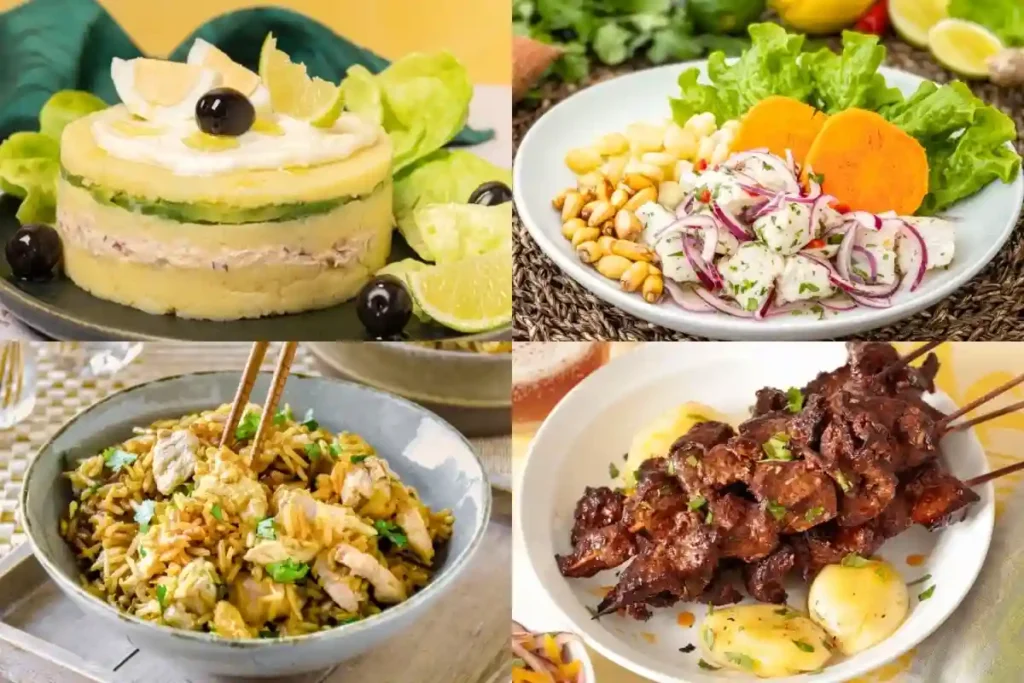
Peruvian food as a journey of flavors
Exploring Peru through its cuisine becomes an unforgettable sensory journey. The remarkable diversity, creativity, and depth behind the typical food of Peru ensure that every dish tells a story. From the bright freshness of coastal preparations to the comforting richness of Andean classics, Peruvian gastronomy reflects geography, tradition, and innovation in perfect harmony.
Whether experienced while traveling or discovered from afar, immersing yourself in the typical food of Peru means engaging with one of the world’s most dynamic and culturally layered culinary heritages. Each bite becomes more than flavor it becomes memory, connection, and discovery.
Ultimately, enjoying the typical food of Peru like a local means slowing down, tasting with intention, and embracing the regional diversity that defines Peruvian cuisine.
