




The best time to travel to Cusco opens the door to an enchanting a wonderful place in the Peruvian Andes where the ancient Inca heritage collides with contemporary culture. Cusco is at the entrance to Machu Picchu and is also a UNESCO World Heritage City. With history, festivals, natural wonders, and the world’s best trekking, picking a time to visit is important for having the best possible time exploring this magical destination. The intention of this article is to consider the seasons and the differences in timing, with a focus on the sun-drenched, dry months that define less busy and ideally prime time to travel to Cusco. We will also explore the shoulder, or quieter, months that allow for more of an escape with less tourist traffic and perhaps price savings.
Whether you will find yourself hiking at high elevation on stone-made trails or discovering the traditions and cultures that exist on this Andean land, there is much to consider for the best time to explore Cusco to avoid conditions like rain and mud. Cusco boldly stands out among tourist cities in Peru, attracting those willing to experience it’s altitude and timelessness any time of year.
You might be interested in reading: 5 best places to visit in Peru
Why the best time to travel to Cusco matters for your trip
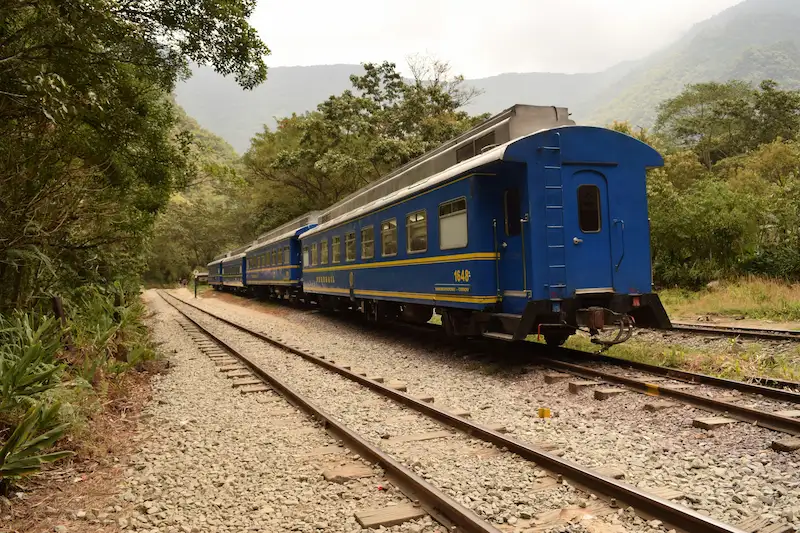
Deciding on ideal Cusco travel timing can elevate your Peruvian escapade from memorable to magical, influencing everything from daily itineraries to overall well-being. At 3,400 meters elevation, Cusco’s climate demands careful consideration, where peak visiting seasons align with clear skies for unrestricted adventures. Poor planning might mean battling elements that hinder hikes or obscure views, while optimal timing unlocks seamless access to ruins and rituals.
Prime Cusco travel windows also affect costs and crowds, with peak periods buzzing with energy but straining budgets. Shoulder seasons provide breathing space, allowing deeper connections with locals. Ultimately, this choice ensures safety, satisfaction, and stories worth sharing.
Understanding seasonal impacts on your Cusco adventure
Cusco’s inverted seasons compared to the north create unique opportunities, positioning May to October as the prime best time to travel to Cusco for reliability. Dry conditions facilitate extended outdoor time, from valley explorations to mountain vistas, without the interruptions of mud or mist. In contrast, wet months refresh the earth but challenge mobility, emphasizing why dry spells are favored.
This seasonal dance impacts wildlife sightings, flower blooms, and even air quality, with crisp dry air enhancing respiratory ease at altitude. Travelers syncing with these cycles report heightened appreciation for Cusco’s layered landscapes.
- Dry season dominance: Sunshine averages 8-10 hours daily, perfect for photography.
- Rainy repercussions: Up to 15 rainy days monthly in summer, altering plans.
- Shoulder synergies: Hybrid weather for versatile packing.
How weather influences the best time to travel to Cusco
Weather patterns in Cusco are dramatic, with recommended visiting periods featuring stable highs that invigorate rather than exhaust. Intense equatorial sun at elevation accelerates dehydration, but dry months mitigate this with lower humidity. Rainy alternatives bring cooler temps yet higher risks of UV reflection off wet surfaces.
Monitoring microclimates via local apps refines decisions, ensuring peak travel times match your tolerance for variables like wind or sudden chills.
Daily forecasts reveal morning clarity giving way to afternoon clouds, a pattern that dry season minimizes for full-day freedom.
- UV vigilance: Index often exceeds 10; reapply protection hourly.
- Temperature swings: 15-20°C diurnal shifts demand adaptability.
- Wind factors: Andean gusts cool sweat quickly post-exertion.
Best time to travel to Cusco: dry season highlights (May to October)
The dry season solidly secures its spot as the best time to travel to Cusco, offering impeccable conditions for delving into Peru’s cultural core. With precipitation near zero, paths to ancient sites remain navigable, and festivals unfold under open heavens. This era transforms Cusco into a hive of activity, where optimal Cusco visiting windows mean joining locals in sunlit plazas for impromptu music and markets.
Reliable transport links flourish, connecting Cusco to remote wonders without weather woes. The season’s clarity sharpens senses, making every ruin etch deeper into memory.
Peak months for the best time to travel to Cusco
June through August encapsulate the essence of the best time to travel to Cusco, with solstice alignments amplifying ancient observances. Temperatures hover comfortably, supporting layered clothing for dawn-to-dusk pursuits. This peak draws international crowds, fostering a global tapestry of shared awe.
Energy peaks here, with extended daylight fueling ambitious agendas from sunrise yoga to nocturnal stargazing.
For an abbreviated yet authentic Inca encounter, the 2 day Inca Trail with Camping slots seamlessly into these months, providing tented nights amid ruins like Chachabamba, where campfire tales revive emperor-era engineering feats under a canopy of southern stars.
- June highlights: Longest festival lineups coincide with winter solstice.
- July-August perks: Cooler nights enhance sleep quality post-adventure.
- Booking urgency: Secure spots 3-6 months ahead for prime access.
Festivals that make the best time to travel to Cusco unforgettable
Festivals during dry months elevate the best time to travel to Cusco to euphoric heights, blending spectacle with spirituality. Streets overflow with parades, where participants in elaborate costumes channel ancestral spirits. These events foster community bonds, inviting visitors to partake in dances or feasts.
The vibrancy underscores Cusco’s role as a living museum, where history performs nightly.
Inti Raymi’s scale alone justifies timing, drawing 200,000+ annually for a day of theatrical reverence.
- Key dates: June 24 for Inti Raymi; July for independence fusions.
- Participation tips: Rent costumes for full immersion.
- Photo ops: Golden hour lighting on Sacsayhuamán stages.
Exploring Cusco among the ciudades turisticas en Peru during dry season
Dry season cements Cusco’s supremacy among ciudades turisticas en Peru, enabling fluid forays to Maras salt ponds or Moray terraces. Connectivity peaks, with roads clear for bus or private van jaunts. This hub status outshines peers, offering diverse day trips that enrich understanding of Inca hydraulics.
Explorations reveal interconnected empires, with Cusco as the nexus.
Its central location facilitates multi-city loops, blending highland heritage with lowland contrasts.
- Top add-ons: Pisac ruins and markets in one outing.
- Eco angles: Sustainable tours minimize impact.
- Guide gains: Local insights unlock hidden glyphs.
You might be interested in reading: Huayna Picchu or Machu Picchu
Shoulder seasons: alternative best time to travel to Cusco
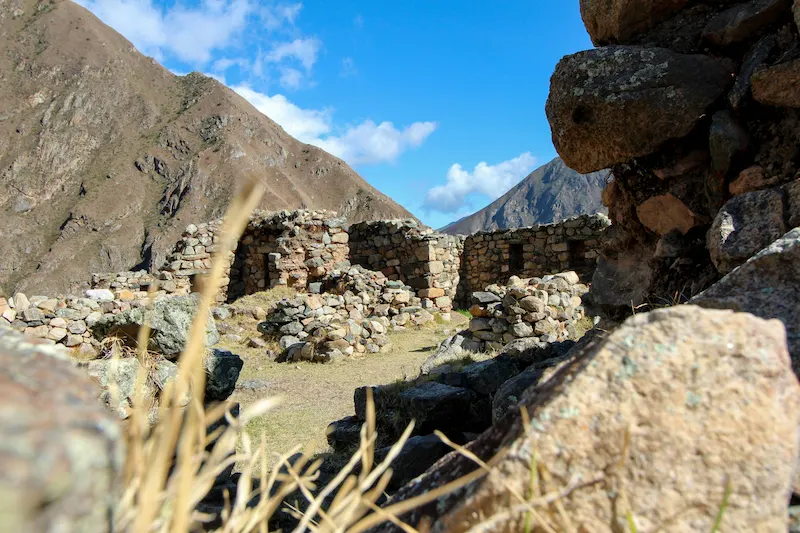
Shoulder months like April and November present compelling cases as the best time to travel to Cusco for discerning travelers seeking equilibrium. Lighter tourist flows allow intimate experiences, from unhurried ruin contemplations to negotiated artisan deals. Recommended Cusco travel periods here balance vibrancy with value.
Transitional weather gifts blooming jacarandas or harvest hues, painting the Andes in pastels.
April and November as smart choices for the best time to travel to Cusco
April closes the wet chapter with invigorated flora, while November heralds summer with warming soils. Both deliver the best time to travel to Cusco for photographers chasing rain-washed clarity or golden pre-festival light. Flexibility defines these windows, accommodating last-minute plans amid dropping demands.
Mild conditions suit families or seniors, easing altitude adjustments.
- April advantages: Orchid trails in full display.
- November nods: Pre-Inti prep builds anticipation.
- Rain readiness: 50% chance of showers, swiftly passing.
Balancing crowds and costs in the best time to travel to Cusco
Shoulders excel at harmonizing the best time to travel to Cusco with fiscal and spatial freedoms. Savings cascade across flights, lodgings, and excursions, often halving peak prices. This prime visiting season fosters serendipity, like private plaza serenades.
Crowd thinning reveals Cusco’s quieter charms, from dawn mist over cathedrals to evening folk tales.
- Budget boosts: Tours 30-50% off.
- Pace perks: No queues at ticket booths.
- Hybrid hacks: Combine indoor/outdoor flexibly.
Why avoid the rainy season when seeking the best time to travel to Cusco?
Rainy months from December to March typically fall short as the best time to travel to Cusco, with relentless downpours reshaping landscapes into slippery obstacles. Rivers rage, trails close, and visibility plummets, curtailing the outdoor essence that defines Cusco.
For die-hards, the drama of thunder echoing off peaks holds poetic appeal, but practicality points elsewhere for optimal travel timing.
Disadvantages of the rainy season
Monsoons magnify vulnerabilities, explaining the dry bias of ideal Cusco seasons. Erosion threatens sites, and fog enshrouds sanctuaries like veiled secrets. Health strains rise with damp chills aggravating soroche symptoms.
Logistical snarls include delayed trains or grounded flights.
- Trail traps: Closures spike 80% in peak wet.
- View voids: Persistent overcast dims drone shots.
- Bug booms: Mosquito surges in warmed lows.
Indoor alternatives if you can’t travel to Cusco
Wet weather redirects energy inward, salvaging trips beyond the best time to travel to Cusco. Museums and cafes become sanctuaries, deepening cultural dives. Culinary scenes shine, with steaming soups countering chills.
These pivots maintain momentum, turning rain into reflective respite.
- Heritage havens: Coricancha’s gold-laden history.
- Workshop wonders: Pottery or chocolate making.
- Wellness retreats: Sauna sessions with Andean herbs.
Packing tips for the best time to travel to Cusco
Strategic packing unlocks the best time to travel to Cusco, ensuring agility across terrains and temps. Focus on compact, quick-dry essentials to navigate airline limits.
Versatility reigns, with items doubling duties from city strolls to summit pushes.
Essential gear for enjoying the best time to travel to Cusco
Core kit for the best time to travel to Cusco prioritizes protection and portability. Waterproof backpacks shield electronics, while multi-tools handle minor fixes.
Sustainability shines with reusables reducing plastic waste.
- Footwear first: Broken-in boots prevent blisters.
- Tech tweaks: Solar chargers for off-grid.
- Health helpers: First-aid with altitude meds.
Layering strategies during the best time to travel to Cusco
Layering mastery adapts to Cusco’s mercurial moods in the best time to travel to Cusco. Start with moisture-wicking bases, add insulating mids, top with breathable shells.
This onion approach peels for comfort, from sweaty ascents to windy plateaus.
- Base basics: Synthetic or merino for odor control.
- Mid magic: Vest options for core warmth.
- Outer armor: Gore-Tex for gusts and drizzles.
Top customs and traditions in Cusco
Cusco’s customs weave Inca threads with colonial fabrics, best savored in the best time to travel to Cusco when outdoors beckons. Rituals honor earth and sky, inviting participation.
This living lore distinguishes Cusco, pulsing through veins of daily life.
Inti Raymi: a must-see custom in Cusco
Inti Raymi reenacts solar supplications, a cornerstone custom demanding dry skies for grandeur. Thousands converge, channeling energy in synchronized steps. Revived post-conquest, it symbolizes resilience and renewal.
Its scale rivals global pageants, with authentic regalia handmade locally.
- Ritual roles: Emperor portrayed by Quechua actors.
- Site specifics: Sacsayhuamán’s acoustics amplify chants.
- Ticket tactics: VIP for unobstructed views.
Daily rituals that define Cusco’s cultural heartbeat
Routine rites infuse normalcy with magic, from dawn offerings to dusk toasts. Markets buzz with barters sealed by coca exchanges.
These micro-moments build macro-memories, humanizing history.
- Earth honors: Pachamama libations daily.
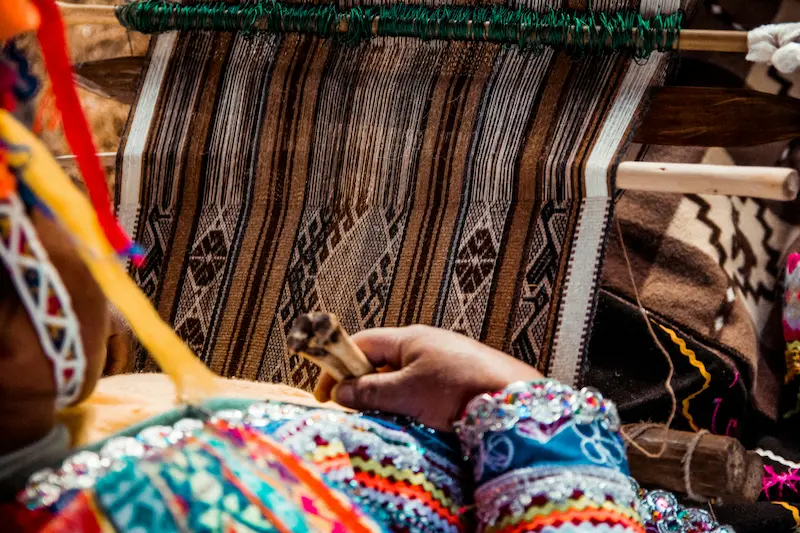
- Textile traditions: Weaving as meditation.
- Food folklore: Shared cuy for celebrations.
How Cusco stands out among the most touristic cities in Peru?
Cusco eclipses counterparts among ciudades mas turisticas del peru via immersive Inca intimacy. Its elevated ethos and event calendar create unmatched depth.
From stone-fitting precision to syncretic saints, uniqueness abounds.
- Heritage density: 500+ sites in vicinity.
- Linguistic legacy: Quechua thriving.
- Gateway glory: Machu Picchu magnet.
You might be interested in reading: Peru Travel Guide: Essential Tips for Your Journey
Integrating hikes with Cusco’s customs
Treks entwine exertion with enlightenment in the best time to travel to Cusco, paths as portals to past. Porters and guides infuse steps with stories, blending sweat with spirituality.
The Classic Inca Trail to Machu Picchu epitomizes this, a four-day odyssey over passes where wind carries ancient prayers, cresting at Intipunku for a citadel unveiling that stirs souls.
Preparing for treks that blend adventure and tradition
Preparation fuses fitness with cultural fluency for rewarding hikes. Train on inclines, study basic Quechua, secure ethics-focused operators.
This groundwork honors the land and its stewards.
- Physical prep: Cardio with pack weight.
- Permit process: Limited to 500 daily.
- Etiquette essentials: No drones over sacred zones.
Best routes to experience authentic Peruvian heritage
Diverse trails cater to curiosities, each revealing heritage facets. Salkantay skirts glaciers with shaman stops.
Variety ensures repeat appeal, layering experiences.
- Lares warmth: Village homestays.
- Ancascocha isolation: Untouched terraces.
- Rainbow reveal: Vinicunca’s mineral magic.
Practical tips for visiting Cusco
Hands-on hacks streamline stays.
Altitude acclimation advice for first-timers
Acclimation anchors arrivals, mitigating headaches via paced pacing. Hydrate heroically, ascend gradually.
Success stories abound with proactive protocols.
- Tea triumphs: Coca infusions daily.
- Rest rules: Nap afternoons.
- Monitor metrics: Pulse oximeters handy.
Transportation options in and around Cusco
Mobility mixes modern and traditional. Taxis for town, trains for tracks.
Efficiency varies by budget and bustle.
- Airport ease: Pre-booked shuttles.
- Valley vans: Colectivos cheap and chatty.
- Eco extras: Bike rentals rising.
Inca Trail Treks vary in vigor, often including transfers from Cusco hotels to trailheads, with options for cultural detours like potato harvest participations in highland farms, fostering bonds over bountiful bowls.
Budgeting for your Cusco journey
Financial forecasting prevents fret. Track via apps, allocate for tips.
Savvy spending sustains splendor.
- Daily breakdowns: $40-80 mid-range.
- Fee fusions: Tourist ticket bundles.
- Currency cues: ATMs plentiful, cards cautious.
You might be interested in reading: Glamping in the Desert: A Magical Escape Beneath the Peruvian Stars
Plan your perfect Cusco escape
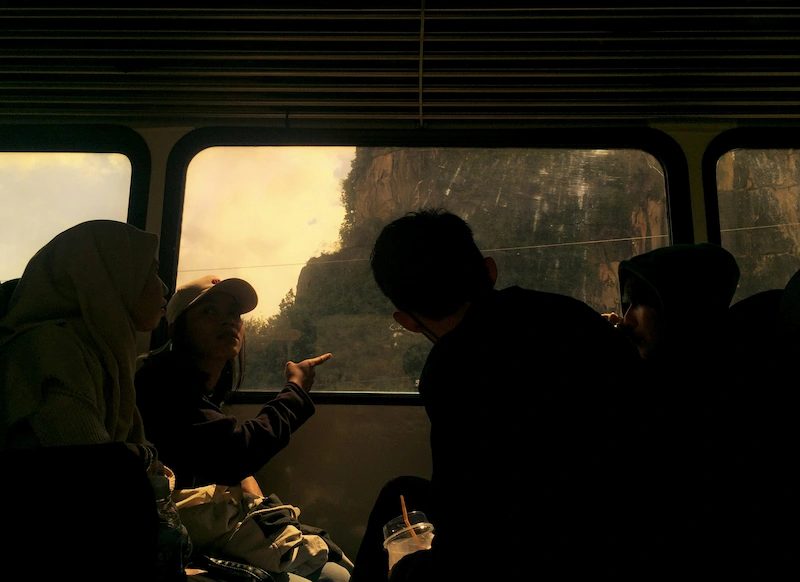
When it comes down to it, the best timing for your Cusco trip will depend on what you are looking for, whether it’s festive buzz, quieter hikes in nature, or saving money. In choosing a dry or shoulder season you will be able to appreciate Cusco with the best conditions, both in weather and in energy. Be sure to pack accordingly, and take time to respect local customs as, and fit into, the altitude. Cusco is ready to wrap you in its arms with memories, especially when you start planning your adventure to connect history, nature, and culture.
