




So, you’ve finally decided to take on the legendary Inca Trail! an adventure that promises breathtaking landscapes, ancient ruins, and the ultimate reward: Machu Picchu. But before you lace up your hiking boots and set off into the Andes, but there’s one crucial steppacking smart.
Packing for the Inca Trail isn’t just about tossing a few items into your backpack. You need to be prepared for unpredictable weather, high-altitude trekking, and the physical demands of four days on rugged terrain. The right gear can be the difference between an amazing, comfortable trek and a grueling, regret-filled experience. That’s why having a complete essential list of what to pack for the Inca Trail is key to enjoying every step of the journey.
Don’t worry, though—we’ve got you covered! This guide will break down what to pack for the Inca Trail 2026, from the absolute essentials to the small but mighty items that can make your journey easier. Whether you’re a seasoned hiker or this is your first multi-day trek, this list will ensure you’re ready for anything.
What is the inca trail?
The Inca Trail is more than just a hike, it’s an experience that takes you deep into history and nature like nothing else. This ancient path, built by the Incas centuries ago, winds through breathtaking mountains, misty cloud forests, and hidden ruins, letting you walk in the footsteps of one of the world’s most fascinating civilizations.
Every step brings you closer to Machu Picchu, revealing stunning landscapes and archaeological wonders along the way. But it’s not just about reaching the destination. The thrill of arriving at the Sun Gate and catching your first glimpse of the Lost City is something you’ll never forget. So grab your bags and get ready to find out what to pack for the Inca Trail.
You might also be interested in: How to Train for the Inca Trail: The Best Guide for Hikers
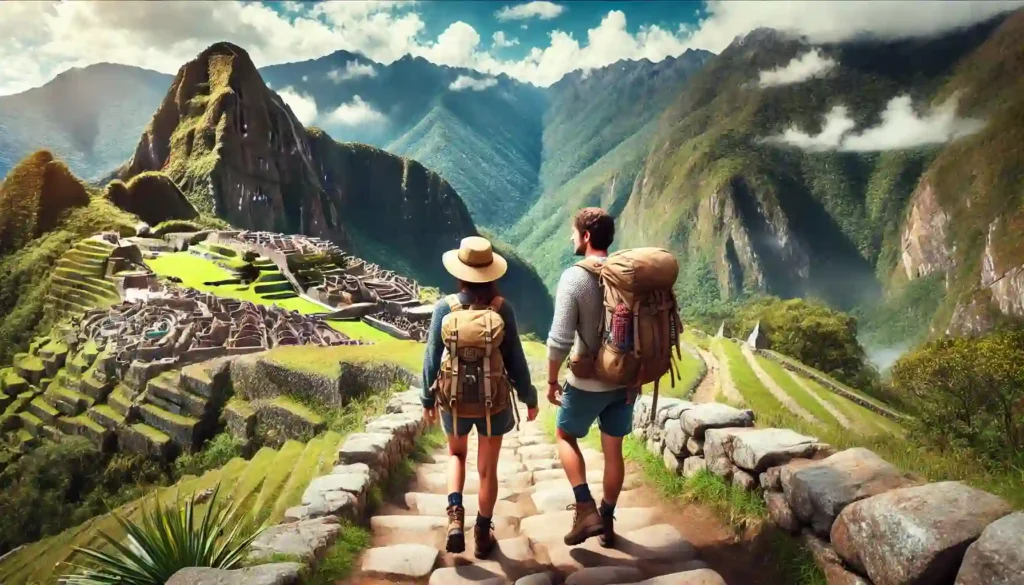
How to get to the Inca Trail with luggage
¡Remember, traveler! Packing smart is essential for the Inca Trail so, let’s make sure you bring everything you need without carrying unnecessary weight. The Inca Trail is a challenging yet rewarding hike, and having the right gear will make a huge difference in your comfort and overall experience.
- Store uour main luggage in Cusco
Since large suitcases or heavy backpacks aren’t allowed on the trail, most hotels and tour operators in Cusco offer free luggage storage. You can leave any extra items there and only take what you need for the hike. - Pack a small backpack for daily essentials
You’ll need a 20–30L daypack to carry your personal items during the trek. Make sure it includes:
- Water bottles or a hydration system (at least 2 liters)
- High-energy snacks (nuts, protein bars, dried fruit)
- Sunscreen, sunglasses, and a hat to protect against the sun
- A lightweight rain jacket or poncho for unexpected showers
- Layers of clothing for changing temperatures
- Your passport and Inca Trail permit (mandatory for entry)
- Use a duffel bag for extra gear
Most tour operators provide a duffel bag (5–7 kg limit) that porters will carry. This should include:
- A warm sleeping bag (if not rented from the tour company)
- Extra clothing for cold nights in the mountains
- Basic toiletries (toothbrush, small towel, biodegradable soap)
- A headlamp or flashlight for dark mornings and nights
- Comfortable sandals to wear at the campsite after long hiking days
- Managing luggage after the trek
Once you reach Machu Picchu, you won’t need all your trekking gear. Many travelers leave their duffel bags in Aguas Calientes before heading to the ruins. After exploring Machu Picchu, you’ll return to Cusco, where your stored luggage will be waiting.
Now, we’ll explain exactly what to pack for the Inca Trail in Cusco, so take notes and read until the end to learn more about the Inca Trail and Machu Picchu!
You might also be interested in: Top 5 best inca trail tour companies
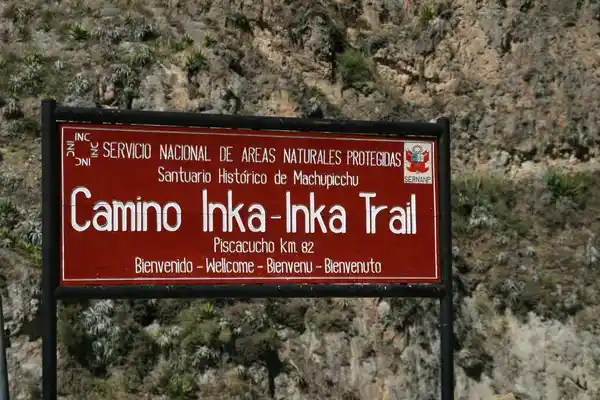
What to pack for the Inca Trail hike
Now that you have decided to embark on an unforgettable journey to Machu Picchu through the legendary Inca Trail, one of the first questions that might come to mind is: What to package for the Inca Trail? Remember, packing smart is not just about bringing the right items; it’s also about avoiding unnecessary weight that could slow you down. A well-thought-out packing list will help you stay light, move efficiently, and focus on the incredible journey ahead.
This guide will walk you through essential gear, clothing recommendations, and expert tips so that you can take on the Inca Trail 2 days with confidence. Whether you’re looking for a shorter yet rewarding trek or an alternative to the classic four-day route, this option allows you to experience the magic of the Inca Trail in a condensed but equally thrilling way.
Choosing the Right Backpack for the Inca Trail
The backpack you choose will determine how comfortable you feel throughout the trek. It needs to be sturdy, lightweight, and properly fitted to your body.
- A 30-40 liter backpack is ideal for carrying your daily essentials without adding too much weight.
- Look for adjustable straps and a padded hip belt to distribute the load evenly.
- A water-resistant backpack or a rain cover is highly recommended to protect your belongings.
- If you are hiring a porter, they will carry most of your gear, but you’ll still need a small daypack for essentials such as water, snacks, a camera, and extra clothing layers.
What to wear on the inca trail
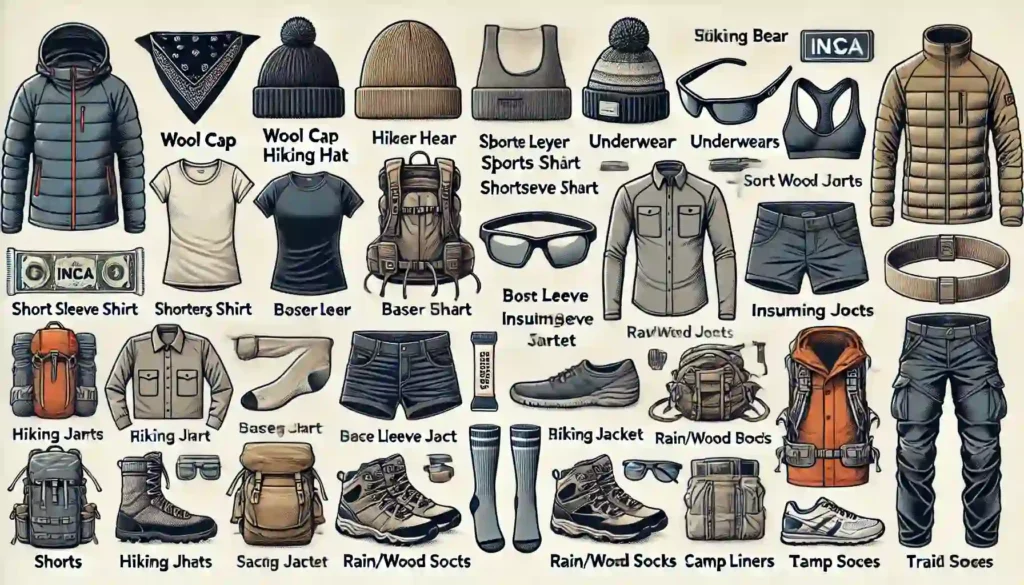
If you’re wondering what to wear on the Inca Trail, the answer isn’t as simple as packing a t-shirt and shorts. The key is layering, choosing moisture-wicking materials, and preparing for sudden weather changes. This guide will help you select the right clothing for every stage of your trek.
The weather on the Inca Trail can change dramatically throughout the day. Mornings and evenings are often cold, while the afternoons can be warm and sunny. Layering is the key to staying comfortable.
Base Layers for Moisture Control
Moisture-wicking shirts to keep sweat away from your body. Avoid cotton, as it retains moisture.
Thermal underwear to stay warm during the cold nights.
Mid Layers for Insulation
A fleece or lightweight down jacket is essential for high-altitude areas where temperatures drop.
Outer Layers for Protection
A waterproof and windproof jacket is necessary to shield yourself from unexpected rain or strong winds.
Lightweight, quick-drying hiking pants will help you stay comfortable.
Other essential clothing items
- Comfortable hiking socks made of wool or synthetic material to prevent blisters.
- Gloves, a beanie, and a sun hat to prepare for both cold and sunny conditions.
- A rain poncho or rain gear to stay dry during unexpected showers.
- Footwear: Protecting Your Feet on the Inca Trail
Your feet will take the biggest impact during the hike, so choosing the right footwear is crucial. - High-quality hiking boots that are waterproof and offer ankle support are a must. Make sure they are well-broken-in before the trek.
- Camp shoes or lightweight sandals will allow your feet to rest when you reach camp each night.
- Moisture-wicking socks will help prevent blisters and keep your feet dry.
Sleeping gear for a comfortable night
Nights on the Inca Trail can be cold, with temperatures dropping near freezing. Having the right sleeping gear will make a big difference. If you’re taking the Short Inca Trail 2 days, it’s just as important to pack a warm sleeping bag and layered clothing to stay comfortable during the trek.
- A four-season sleeping bag rated for at least -10°C (14°F) is highly recommended. If you don’t have one, most tour companies offer rental options.
- A sleeping pad can provide extra insulation and comfort, especially if your tour company doesn’t include one.
- Staying Hydrated and Well-Nourished
Proper hydration and nutrition are essential for maintaining your energy levels while hiking. - Water bottles or a hydration bladder with at least 2 liters of capacity are necessary for staying hydrated.
- Water purification tablets or a portable filter are useful since water from natural sources must be treated before drinking.
- High-energy snacks like nuts, protein bars, and dried fruits will provide a quick energy boost.
Personal care and first aid essentials
Hiking at high altitudes and spending multiple days on the trail require some essential personal care items.
- Sunscreen and lip balm with SPF are necessary, as the sun at high altitudes is intense.
- Bug repellent is important for protecting yourself from mosquitoes, especially in lower-altitude areas.
- A small first aid kit should include band-aids, blister pads, pain relievers, and any personal medications.
- Basic toiletries such as a toothbrush, toothpaste, biodegradable soap, wet wipes, and hand sanitizer should be packed in travel-sized containers.
Trekking accessories to improve your experience
A few extra items can make your trek more comfortable and efficient.
- Trekking poles can help reduce knee strain, especially on steep descents.
- A headlamp with extra batteries is useful for early morning hikes and moving around campsites at night.
- A small multi-purpose knife can be useful for various situations.
- A quick-drying towel is handy for washing up at campsites.
Important documents and money
Your passport is required for entry to the Inca Trail and Machu Picchu. Keep it in a waterproof case.
Permits and tickets should be printed or stored digitally as backups. Your tour company will usually handle these, but it’s best to have a copy. Cash in small bills is useful for tipping guides and porters or purchasing small items along the trail.
You might also be interested in:Inca trail vs Salkantay trek | Differences you must know before hiking
What not to pack for the Inca Trail
Wondering what to pack for the Inca Trail? Packing for the Inca Trail is just as important as the trek itself. Bringing the wrong items can make your journey harder and even go against park regulations. To ensure a smooth and enjoyable experience, here’s what you should leave behind and what to bring instead.
- Single-use plastics
Peru has strict rules against single-use plastic bottles and bags to protect the environment. Instead of plastic, bring a reusable water bottle or a hydration bladder. Many campsites have water stations where you can refill your bottle safely. - Drones and professional cameras
It might be tempting to bring a drone for breathtaking aerial shots, but drones are not allowed on the Inca Trail or Machu Picchu without a special permit. If you want to capture amazing moments, a lightweight camera or smartphone is a better choice. - Heavy or cotton clothing
Cotton might feel comfortable at first, but it traps moisture and dries slowly, which can make cold nights even colder. Instead, pack lightweight, moisture-wicking fabrics like merino wool or synthetic layers to stay dry and warm. - Hiking poles with Metal tips
The park prohibits metal-tipped trekking poles because they can damage the trail. If you’re bringing hiking poles, make sure they have rubber tips to protect the path. - Too much luggage
Overpacking is a common mistake. Porters have a strict weight limit, and carrying unnecessary items can slow you down. A small duffel bag for your gear and a daypack for essentials is all you need. - Loud music and speakers
The Inca Trail is all about connecting with nature and the history of the Andes. Playing loud music can disturb wildlife and other trekkers. If you want to listen to music, use headphones and keep the volume low.
Tips on what to pack for the Inca Trail
Packing for the Inca Trail isn’t just about bringing the right gear—it’s about preparing smartly to ensure a smooth and enjoyable experience. Here are some final tips to help you get ready:
- Test your gear gefore the trip: Never take brand-new hiking boots straight to the Inca Trail. Break them in beforehand to avoid blisters and discomfort. The same goes for backpacks and other essential equipment. Make sure everything fits well and works as expected.
- Pack Light, but smart: Every extra pound matters when trekking at high altitudes. Bring only the essentials and avoid overpacking. Prioritize multi-use clothing and compact, lightweight gear to reduce strain during the hike.
- Prepare for unpredictable weather: The Andean climate can change quickly. Layering is key to adapting to different temperatures, and always carry a waterproof jacket or poncho to stay dry in case of sudden rain.
What to pack for the Inca Trail to handle altitude and weather changes
Embarking on the Inca Trail is an incredible adventure, but its high-altitude environment and unpredictable weather require careful packing. From the intense sun at midday to the freezing temperatures at night, being prepared for rapid changes is essential. If you pack wisely, you’ll ensure a more comfortable and enjoyable trek, allowing you to fully immerse yourself in the breathtaking Andean landscapes and the ancient ruins along the way. Before setting off on this journey, many travelers also take the opportunity to explore the rich history and vibrant culture of Cusco through a Cusco City tour half day, which provides a perfect introduction to the region’s fascinating past and stunning architecture.
The Inca Trail ranges from around 2,400 meters (7,874 feet) in Cusco to 4,215 meters (13,828 feet) at Dead Woman’s Pass, the highest point of the trek. At these elevations, altitude sickness can be a concern, and temperatures can fluctuate drastically.
- Daytime Temperatures: Can range from 15°C to 25°C (59°F to 77°F) but feel hotter due to intense sun exposure.
- Nighttime Temperatures: Can drop to -5°C (23°F) or lower at high-altitude campsites.
- Weather Variability: The trail passes through different microclimates, from humid cloud forests to cold mountain passes, meaning you might experience rain, strong winds, and direct sun—all in the same day.
Now that you know what to pack for the Inca Trail to handle altitude and weather changes, you’re well-prepared for an unforgettable journey to Machu Picchu. With the right gear and mindset, you’ll be able to fully enjoy the spectacular views, ancient ruins, and incredible sense of accomplishment that comes with completing this iconic trek.
You might also be interested in: Best time to visit Peru: Arrive at the perfect moment
FAQs about what to pack for the Inca Trail Trek
Now that you know what to pack for the Inca Trail, the most important thing is to prepare ahead of time and make a checklist of everything you’ll need. A well-thought-out packing list will ensure you have all the essentials without carrying unnecessary weight. Remember, trekking at high altitudes can be challenging, so a light and efficient pack will make your journey much more enjoyable. Many travelers also choose to complement their trekking experience with a Sacred Valley Tour, which offers a deeper understanding of the region’s history and breathtaking landscapes before embarking on the trail. With the right gear and mindset, you’re ready to take on this unforgettable adventure to Machu Picchu. Happy trekking!
1. What are the absolute essentials to pack for the Inca Trail?
The most important items include a sturdy backpack, proper hiking boots, layered clothing, a sleeping bag, a rain jacket, water purification tablets, and high-energy snacks. These essentials will keep you comfortable and prepared for the changing weather conditions.
2. What kind of backpack should I bring for the Inca Trail?
A 30-40L backpack with adjustable straps and a waist belt is ideal. It should be lightweight yet spacious enough to carry daily essentials like water, snacks, extra clothing layers, and personal items. If using a porter service, a small daypack will suffice.
3. Do I need to bring my own sleeping bag and tent?
Most tour operators provide tents, but sleeping bags are often not included. It’s recommended to bring or rent a high-quality sleeping bag rated for at least -10°C (14°F) due to the cold nights in the Andes.
4. What type of clothing should I pack for the Inca Trail?
Layering is key. Bring moisture-wicking base layers, a fleece jacket for warmth, a waterproof outer layer, quick-dry pants, and comfortable hiking socks. Don’t forget a hat and gloves for cold mornings.
5. Do I need hiking boots or can I wear regular sneakers?
Hiking boots are highly recommended over regular sneakers. They provide ankle support, better grip, and protection against rough terrains, steep inclines, and unpredictable weather. Make sure to break them in before the trek to avoid blisters.
6. How much water should I carry each day on the Inca Trail?
If you wonder what to pack for the Inca Trail, you should have at least 2 liters of water per day. Since tap or stream water along the trail isn’t safe to drink, bring a water purification system such as purification tablets or a filtration bottle.
7. Is rain gear necessary even during the dry season?
Yes! The Andean weather is unpredictable, and rain showers can happen at any time of the year. A lightweight, packable rain jacket and a waterproof cover for your backpack are must-haves.
8. What snacks should I pack for the Inca Trail?
High-energy snacks like nuts, protein bars, dried fruit, and chocolate are perfect for keeping your energy levels up. Avoid heavy snacks that take up too much space in your backpack.
9. Can I bring a trekking pole on the Inca Trail?
Yes, but poles must have rubber tips to protect the trail. Trekking poles help reduce knee strain, improve balance, and make steep descents easier. They’re especially useful on uneven terrain.
10. Do I need to pack cash for the Inca Trail?
Yes, carrying small bills in Peruvian soles is advisable. You may need cash for tipping guides and porters, buying snacks at certain campsites, or using paid restrooms along the way.
11. What documents should I carry during the trek?
If you wonder what to pack for the Inca Trail, must bring your passport, as it is required at checkpoints. Also, keep a copy of your trekking permit and Machu Picchu entrance ticket in a waterproof bag.
