




Planning an international trip is an exciting adventure, but without proper preparation, it can quickly become overwhelming. From ensuring your travel documents are up to date to organizing your itinerary, taking the right steps before departure can make a huge difference. Whether you’re a first-time traveler or a seasoned explorer, having a checklist of things to do before going overseas helps you avoid unnecessary stress and ensures a smooth, enjoyable journey.
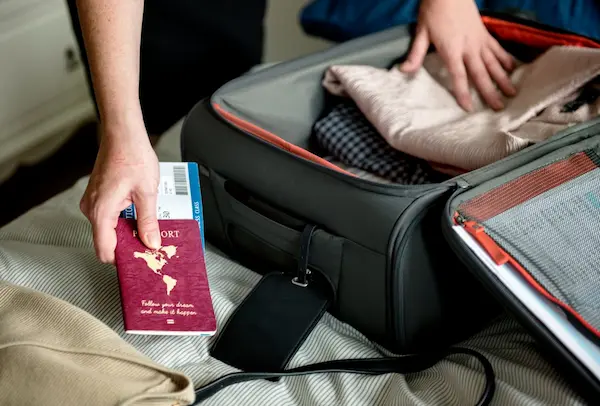
Why is it important to plan ahead for things to do before going overseas?
Planning ahead isn’t just about checking off a to-do list—it’s about making sure your trip is smooth, stress-free, and full of great experiences. A little preparation now can save you from major headaches later!
Avoid last-minute stress
Nothing ruins the excitement of an upcoming trip like a last-minute crisis. Imagine realizing your passport expires in a week or struggling to find a visa appointment right before your flight—stressful, right?
- Check your passport and visa requirements early to avoid unexpected delays. Some countries won’t let you enter if your passport has less than six months of validity.
- Book flights and accommodations in advance to snag the best deals. Last-minute prices can skyrocket, and you don’t want to spend more than necessary.
Ensure a safe and Hassle-Free experience
Being in a new country is exciting, but it’s also important to be prepared for anything. A little research and preparation can keep you out of trouble.
- Get the right travel insurance so you’re covered for medical emergencies, lost luggage, or trip cancellations. Trust us—you don’t want to deal with unexpected expenses in a foreign country.
- Know the local laws and customs to avoid legal issues. What’s normal at home might not be acceptable elsewhere, so read up on basic dos and don’ts.
- Make sure you have everything you need before departure—important documents, travel essentials, and a backup plan in case things don’t go as expected.
Planning ahead doesn’t just make your trip smoother—it helps you travel confidently, knowing you’re ready for anything that comes your way. Now, let’s dive into the essential steps to take before heading overseas

1. Check and update your travel documents
Is your passport valid?
Your passport is the key to crossing international borders, and many countries require it to be valid for at least six months beyond your planned stay. Overlooking this detail can result in being denied entry or even being stopped before boarding your flight.
- Check your passport’s expiration date as soon as you start planning your trip. If it’s expiring soon, renew it immediately to avoid processing delays. Some countries also require blank pages for entry stamps, so ensure you have enough space.
- Apply for passport renewal early since processing times can take weeks or even months, depending on demand. If you need it urgently, check if your country offers expedited services.
Do you need a Visa?
Not all destinations allow visa-free entry, and some have lengthy or complicated application processes. Failing to obtain the right visa can completely derail your travel plans.
- Research visa requirements by checking official government websites or embassy resources. Some destinations offer electronic visas, while others require in-person appointments.
- Apply well in advance, as some visas can take weeks to process. If an interview is required, book an appointment early to secure your spot.
- Double-check entry conditions, including visa duration, multiple-entry options, and any restrictions related to work or tourism.

2. Get comprehensive travel insurance
Why travel insurance is essential
Unexpected events can turn an exciting trip into a costly nightmare. Travel insurance provides financial protection in case of emergencies, cancellations, or disruptions.
- Medical emergencies abroad can be expensive, and some hospitals require upfront payment if you don’t have insurance. A good policy covers doctor visits, hospital stays, and emergency evacuations.
- Trip cancellations and delays can happen due to weather, illness, or airline issues. Insurance helps you recover non-refundable costs like flights and hotel bookings.
- Lost luggage and stolen items can disrupt your trip. Having insurance allows you to replace essentials without out-of-pocket expenses.
How to choose the right travel insurance
Not all travel insurance policies offer the same coverage, so selecting the right one is crucial.
- Compare different providers and read reviews to ensure reliability. Cheap policies might have hidden exclusions that leave you unprotected.
- Ensure it includes COVID-19 coverage, emergency evacuation, and adventure sports protection if needed. Some activities, such as scuba diving or skiing, require additional coverage.
- Read the fine print to understand claim procedures, deductibles, and coverage limits. Knowing what’s covered—and what’s not—can save you frustration later.

3. Research your destination
Understanding local customs and traditions enhances your travel experience. If you’re considering tours in Peru, learning about cultural norms, such as respectful interactions with indigenous communities, can help you connect more deeply with the places you visit.
Know the local laws and customs
Every country has its own regulations and cultural expectations, and failing to respect them can lead to fines, arrests, or social misunderstandings.
- Familiarize yourself with cultural norms regarding dress codes, public behavior, and tipping etiquette. What’s acceptable in one country might be offensive in another.
- Check for any restricted items or behaviors, such as banned medications, chewing gum restrictions, or alcohol consumption laws. Ignorance of the law isn’t an excuse, and penalties can be severe.
Stay informed about safety and health risks
A well-informed traveler is a safer traveler. Understanding potential risks helps you prepare and avoid problems.
- Check government travel advisories for crime warnings, natural disasters, or political instability. Knowing what areas to avoid can prevent unnecessary risks.
- Learn about common scams in your destination, such as taxi overcharging, fake police officers, or distraction thefts. Being aware makes you a harder target.
- Understand health risks such as water quality, food safety, and mosquito-borne illnesses. Carry necessary vaccinations, insect repellent, and basic medications.
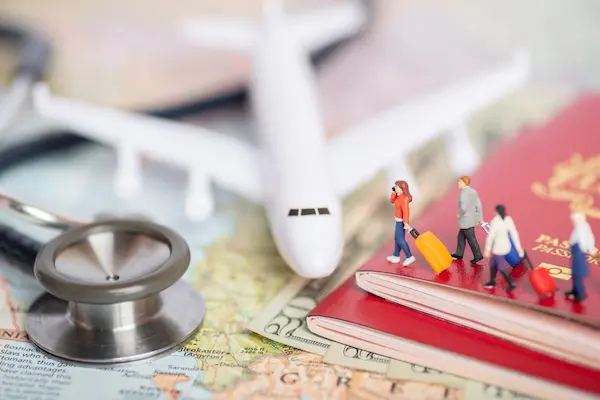
4. Take care of your health before traveling
Vaccinations and medical preparations
Many destinations require proof of vaccination for entry, while others have recommended immunizations to protect travelers from local diseases.
- Check vaccination requirements early by visiting your doctor or a travel health clinic. Some vaccines need multiple doses, so plan ahead.
- Schedule a general health check-up to address any medical concerns before leaving. Discuss long-haul travel risks like deep vein thrombosis (DVT) if you have pre-existing conditions.
Pack essential medications
Access to prescription medication varies by country, and some drugs available at home might be restricted or unavailable abroad.
- Bring enough medication for your entire trip, plus extra in case of delays. Keep them in original packaging with a doctor’s note to avoid issues at customs.
- Carry a copy of your prescriptions, preferably translated into English or the local language, in case you need a refill or medical attention.

5. Sort out your finances
Notify your bank and credit card providers
Financial issues while traveling can be frustrating and difficult to resolve from abroad. Many banks automatically block foreign transactions to prevent fraud, leaving travelers stranded.
- Inform your bank of your travel dates and destinations to prevent your card from being flagged for suspicious activity. Some banks allow you to set up travel notifications online.
- Set up travel-friendly banking options, such as fee-free international transactions or emergency card replacement services. Consider carrying multiple cards in case one gets lost or stolen.
Understand currency exchange and payment methods
Managing money effectively can help you avoid high fees and inconvenient payment issues.
- Compare exchange rates and ATM fees before withdrawing money abroad. Some ATMs charge high fees, while airport exchanges often have the worst rates.
- Carry a mix of cash and cards to ensure you always have a backup payment option. Some small businesses may not accept credit cards, especially in rural areas.
- Use a secure payment method and avoid carrying large amounts of cash. Digital wallets or preloaded travel cards can be safer alternatives.
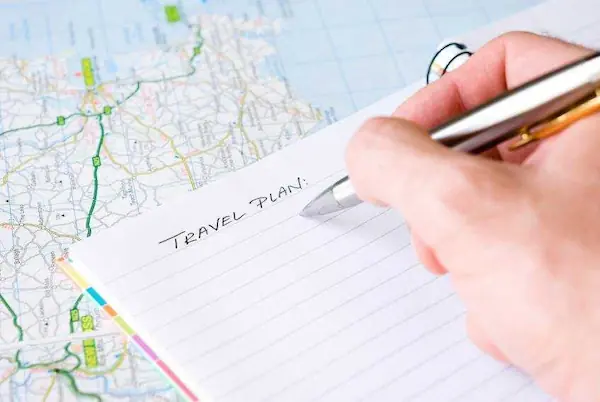
6. Plan your itinerary and book in advance
To make the most of your trip, planning your itinerary in advance is key. If you’re heading to the Andean region, consider booking tours in Puno to explore Lake Titicaca and its fascinating floating islands, offering an unforgettable cultural experience
Secure accommodation and transportation
Accommodation and transportation are two of the biggest travel expenses, and booking early can help you find the best deals and avoid last-minute price hikes.
- Book flights as early as possible. Airline prices tend to increase as the departure date approaches. Use fare comparison tools and set price alerts to grab the best deals.
- Consider flexible travel dates. If your schedule allows, flying on weekdays or during off-peak seasons can significantly reduce costs.
- Secure your accommodation in advance. Whether you prefer hotels, hostels, or vacation rentals, booking early gives you more options at better prices. Many properties offer free cancellation, so you can lock in a good rate while keeping your plans flexible.
- Research local transportation options. Will you need a rental car, a metro pass, or a ride-sharing app? Understanding how to get around before you arrive will save time and prevent confusion.
- Arrange airport transfers. Some destinations have expensive taxis or unreliable public transport from the airport. Pre-booking a shuttle or ride service can be more convenient.
Reserve Attractions and Activities
Many destinations offer unique experiences that require advance booking. If you’re visiting Peru, securing your spot for popular excursions is essential. For example, tours in Cusco to Machu Picchu or the Sacred Valley often sell out quickly, so booking early ensures availability and better prices
- Purchase tickets to major attractions online. Popular sites like the Eiffel Tower, the Colosseum, or Machu Picchu often sell out weeks in advance. Booking ahead saves time waiting in lines and sometimes offers discounts.
- Look for city passes or bundled tickets. Many destinations offer travel passes that include multiple attractions at a discounted rate. These can save money and simplify your itinerary.
- Book guided tours early. Some experiences, such as safaris, scuba diving excursions, or historical walking tours, have limited availability. Reserving ahead guarantees your spot.
- Check for free or discounted days. Many museums and cultural sites offer free entry on certain days of the month.

7. Prepare your electronics and communication
Technology plays a crucial role in modern travel, from navigation to staying in touch with loved ones. Making sure your devices are compatible with your destination’s power supply and communication systems will help you stay connected.
Get the right power adapters and converters
Different countries use different plug types and voltage levels, and using the wrong adapter can leave you unable to charge your devices—or worse, damage them.
- Check the voltage requirements of your destination. North America typically uses 110V, while Europe and Asia often use 220V. Some devices, like laptops and phones, are dual-voltage, but others (such as hairdryers) may require a converter.
- Invest in a universal travel adapter. This is a must-have item for international travel, as it allows you to charge devices anywhere.
- Bring a portable power bank. If you’re sightseeing all day, you may not have access to charging points. A power bank ensures your phone stays charged for navigation, photos, and communication.
Stay connected abroad
Reliable internet access is essential for maps, translations, bookings, and emergencies. Avoid expensive roaming fees by planning ahead.
- Purchase a local SIM card upon arrival for cheaper data rates. Many airports and convenience stores sell prepaid SIMs with affordable internet packages.
- Consider an eSIM or international roaming plan. Some phone carriers offer global data plans, which may be more convenient than switching SIM cards.
- Download offline maps and translation apps. Apps like Google Maps, Maps.me, and Google Translate work without an internet connection if you download the necessary data beforehand.
- Set up messaging apps such as WhatsApp, Telegram, or Skype to stay in touch with friends and family without relying on expensive SMS charges.

8. Organize your travel essentials
Pack smart: must-have travel items
Packing efficiently ensures you have everything you need without overloading your suitcase.
- Create a packing checklist based on your destination’s climate and activities.
- Choose versatile clothing that can be layered for different weather conditions.
- Bring a reusable water bottle with a built-in filter to stay hydrated while reducing plastic waste.
- Carry a first-aid kit with essentials like pain relievers, band-aids, antiseptic wipes, and motion sickness pills.
- Pack a lightweight day bag for daily excursions, keeping essentials like your wallet, passport, and phone secure.
Make copies of important documents
Losing essential documents while abroad can be a nightmare, so always have backups.
- Make digital copies of your passport, visa, travel insurance, and itinerary and store them securely in cloud storage.
- Carry printed copies in a separate bag in case you lose access to your phone or laptop.
- Write down emergency contacts, including your country’s embassy, local emergency numbers, and travel insurance hotline.
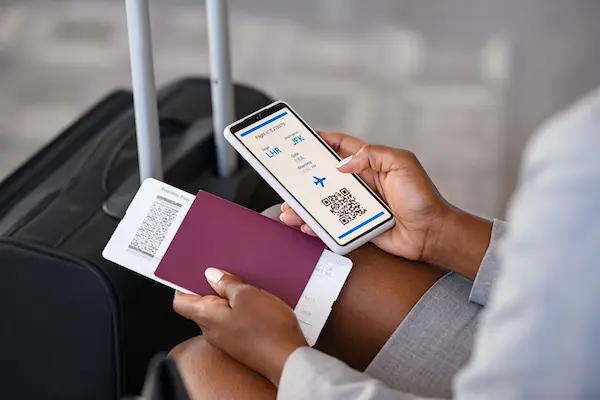
9. Double-check flight details and requirements
Verify your flight and check-In procedures
Avoid unnecessary stress by confirming your flight details well in advance.
- Double-check your flight time, terminal, and gate number. Airlines occasionally change schedules, so check for updates before heading to the airport.
- Check-in online to select your seat and avoid long lines at the airport.
- Arrive at the airport early. For international flights, aim to be there at least three hours before departure to allow time for security screenings and boarding.
Know the baggage rules
Airline baggage policies can be strict, and exceeding weight limits can result in hefty fees.
- Review the airline’s baggage allowance for both checked and carry-on luggage. Budget airlines, in particular, have strict weight limits.
- Weigh your bags at home to avoid last-minute repacking at the airport.
- Follow security guidelines, such as liquid restrictions in carry-on luggage.

10. Set up an emergency contact plan
Share your itinerary with family or friends
Keeping loved ones informed of your travel plans ensures they know where you are in case of an emergency.
- Send a copy of your itinerary to a trusted friend or family member, including flight details, hotel addresses, and important contact numbers.
- Establish regular check-ins. If you’re traveling alone, agree on a time to send a message or update loved ones on your status.
Know emergency numbers and services
In case of an emergency, knowing how to get help quickly can make a significant difference.
- Save local emergency numbers in your phone before departure. Different countries use different numbers for police, medical assistance, and fire services.
- Locate the nearest embassy or consulate. If you lose your passport or need legal assistance, knowing where to go can save valuable time.
- Learn basic emergency phrases in the local language, such as “I need help,” “Call an ambulance,” or “Where is the nearest hospital?”
Conclusion:
A little preparation goes a long way when it comes to international travel. By taking care of key details like visas, insurance, and itinerary planning in advance, you can focus on making the most of your trip without last-minute surprises. No matter your destination, following this guide of essential things to do before going overseas will help you travel with confidence, knowing you’re ready for any situation. Safe travels!
