



Peru mythology is filled with ancient legends, sacred spirits, terrifying creatures, and supernatural beings that have survived for centuries through oral tradition. Across the Andes and the Amazon rainforest, many communities still tell stories about mysterious monsters connected to mountains, rivers, caves, and forests. These legends are an important part of the mythology of Peru and continue influencing local traditions, spirituality, and folklore.
Many people interested in peruvian mythology search for stories about monsters because these creatures reflect the fears, beliefs, and spiritual worldview of ancient civilizations. Unlike myths from other parts of the world, peru mythology often combines nature, spirituality, and ancestral traditions in a very unique way.
In this guide you will discover some of the most feared monsters in peru mythology, learn why Peru is considered deeply spiritual, understand the connection between Inca beliefs and folklore, and explore the gods and supernatural beings that continue fascinating people around the world.
You might be interested in: Incas Expeditions: Top Peru tour operator
10 Peru mythology monsters that continue appearing in Andean legends
One of the most fascinating aspects of peru mythology is the large number of supernatural creatures that still appear in stories told across the Andes and the Amazon. Many of these beings are believed to protect sacred places, punish immoral behavior, or haunt isolated regions. If you want o know more about it yo can contact with a custom tours and live the experience.
1. The Pishtaco as one of the most feared monsters in Peru mythology
The Pishtaco is one of the darkest figures in peru mythology. According to legend, this terrifying being attacks travelers in isolated mountain roads and steals their body fat.
The story became especially popular during colonial times and continues appearing in modern Andean folklore. In many rural communities, people still warn travelers about the Pishtaco.
2. The Jarjacha and its terrifying scream in the Andes
The Jarjacha is another terrifying creature from peruvian mythology. It is often described as a cursed being that wanders through the mountains at night emitting horrifying screams.
According to mythology of Peru, the Jarjacha appears as punishment for people who committed serious sins or broke sacred moral rules.
3. The Tunche spirit from the Peruvian Amazon rainforest
The Tunche is one of the most feared spirits in the Amazon region. In peru mythology, this entity is associated with whistling sounds heard deep in the jungle.
Many people believe the Tunche protects the forest and punishes those who disrespect nature or enter forbidden places.
4. The Muqui as the mysterious creature of abandoned mines
The Muqui is a supernatural being connected to mines and underground tunnels. Miners from the Andes often describe it as a small creature that can either help or harm workers.
Within peru myth traditions, the Muqui controls mineral wealth hidden underground.
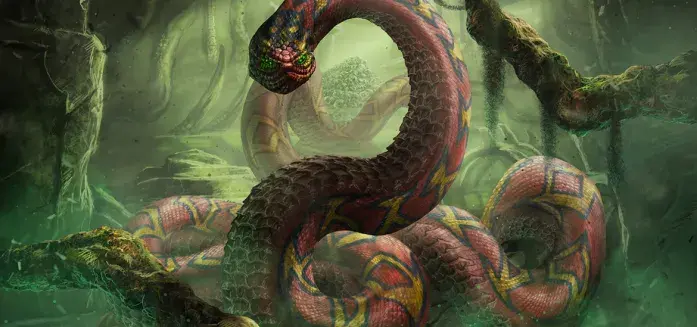
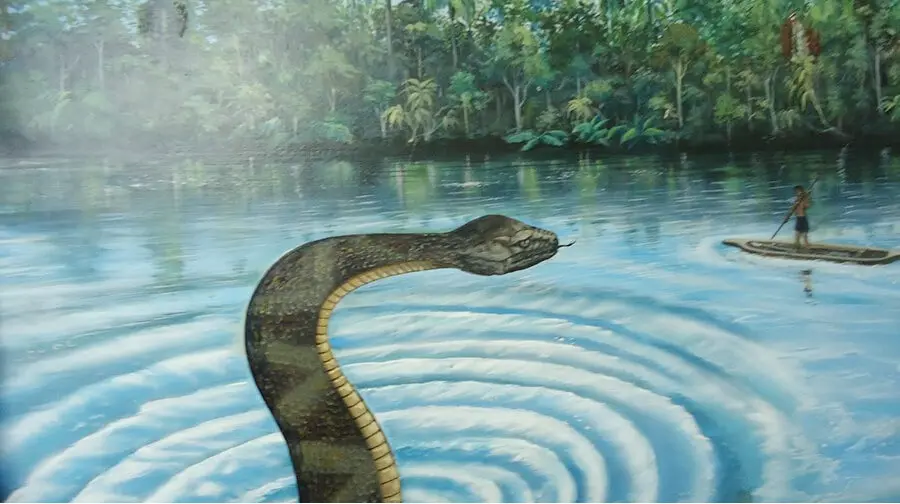
5. The Yacumama giant serpent from Peruvian mythology
The Yacumama is a giant serpent believed to inhabit rivers deep in the Amazon rainforest. Many legends describe it as an enormous spiritual creature capable of swallowing boats and travelers.
This monster remains one of the most powerful symbols in peru mythology connected to water and nature.
6. The Supay and the connection with the underworld
Supay is one of the most important beings in mythology of Peru. Ancient Andean cultures associated Supay with the underworld, caves, and spirits of the dead.
Although often compared to a demon, Supay originally represented a much more complex spiritual figure in Inca beliefs.
7. The Anchanchu and the dark spirit of caves and mountains
The Anchanchu is considered an evil spirit that lives inside caves and isolated mountains. According to peru mythology, this creature attempts to lure travelers into dangerous places.
Stories about the Anchanchu continue being shared in many Andean villages.
8. The Chullachaqui as the shapeshifter spirit of the jungle
The Chullachaqui is a famous shapeshifter spirit from Amazonian folklore. This creature can imitate human appearance to deceive people lost in the forest.
Many stories in peruvian mythology describe the Chullachaqui as a protector of animals and sacred jungle spaces.
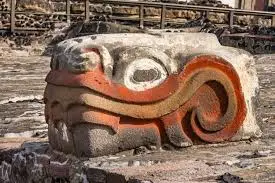
9. The Amaru and the mythical serpent of the Andes
The Amaru is one of the most sacred creatures in peru mythology. It is usually represented as a giant serpent associated with wisdom, water, and spiritual transformation.
Ancient Andean civilizations considered the Amaru a bridge between the earthly and spiritual worlds.
10. The Qarqacha and the cursed creature from Andean folklore
The Qarqacha is another terrifying creature from peru mythology connected to curses and forbidden acts. Legends describe it as a monstrous being that roams rural areas during the night.
Many communities still believe hearing the Qarqacha brings bad luck or spiritual danger.
Why Peru mythology is deeply connected to spirituality and nature?
One of the reasons peru mythology continues fascinating people is its deep spiritual connection with nature. Ancient civilizations believed mountains, rivers, lakes, forests, and animals possessed sacred energy and spiritual power.
How mountains and Apus became sacred spirits in Peru mythology
In Andean traditions, mountains known as Apus were considered living spiritual beings. Communities prayed to them for protection, harvests, and guidance.
This belief remains one of the strongest spiritual elements in mythology of Peru.
Why rivers lakes and forests are considered spiritual in Peru myth
Water and forests are sacred in many peru myth stories because they represent life, fertility, and hidden spiritual forces.
Many supernatural creatures from peruvian mythology are directly connected to rivers or jungle environments.
The connection between Peru mythology and Inca rituals
The Incas performed rituals and ceremonies dedicated to gods, spirits, and natural forces. Offerings to mountains and Pachamama formed an essential part of their worldview.
How ancient Peruvians believed spirits controlled nature
Ancient Peruvians believed spiritual beings controlled storms, earthquakes, harvests, and rivers. This explains why peru mythology contains so many creatures associated with natural phenomena.
Why spiritual beliefs from Peru mythology still survive today
Even today, many communities continue practicing spiritual traditions influenced by peru mythology. Rituals honoring Pachamama and mountain spirits remain important in several Andean regions.
You might be interested in: How to choose the Inca trail best tour company right?
Is Peru Inca or Aztec and how does that relate to Peru mythology?
Many people ask whether Peru was Inca or Aztec. The answer is that Peru was part of the Inca civilization, while the Aztecs developed in present-day Mexico.
1. Why the Incas were the civilization connected to Peru mythology
The Incas played a major role in shaping peru mythology because they integrated ancient beliefs, gods, and spiritual traditions from earlier Andean cultures.
2. The difference between Inca and Aztec mythology
Although both civilizations possessed rich mythological systems, they belonged to different regions and cultural traditions.
Peruvian mythology focuses heavily on mountains, agriculture, sacred landscapes, and nature spirits.
3. How Inca beliefs shaped Peruvian mythology
Many stories within mythology of Peru were influenced by Inca cosmology, including beliefs about the sun, moon, underworld, and sacred animals.
4. The role of gods spirits and monsters in the Inca world
Gods and supernatural beings were believed to influence daily life. Spirits protected communities but could also punish disrespectful behavior.
5. Why Peru mythology is still linked to Andean traditions
Modern Andean culture still preserves many beliefs connected to peru mythology through festivals, rituals, and oral storytelling traditions.
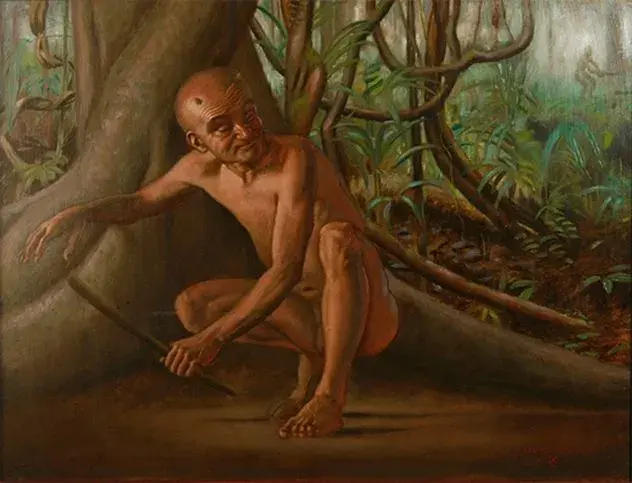
Who is the goddess of Peru and which deities were worshipped in ancient times?
Ancient civilizations in Peru worshipped several gods and goddesses connected to nature, fertility, and the cosmos.
Pachamama as the most important goddess in Peru mythology
Pachamama is one of the most important figures in peru mythology. She represents Mother Earth and fertility.
Even today, many communities perform offerings to Pachamama asking for protection and abundance.
Mama Quilla and the connection with the moon
Mama Quilla was the moon goddess in Inca beliefs. She played an important role in calendars, ceremonies, and spiritual traditions.
The role of feminine deities in Peruvian mythology
Female deities symbolized fertility, agriculture, life, and cosmic balance within peruvian mythology.
Why ancient Peruvians worshipped nature goddesses
Nature was considered sacred because survival depended on agriculture, rivers, and weather conditions.
How Peru mythology influenced modern spiritual traditions
Many spiritual ceremonies practiced today continue reflecting ancient beliefs from mythology of Peru.
Why Peru mythology continues fascinating people around the world?
Peru mythology continues attracting historians, travelers, writers, and folklore enthusiasts because it combines mystery, spirituality, nature, and ancient history in a unique way.
Unlike many mythological traditions focused only on gods and heroes, peru mythology places enormous importance on sacred landscapes, spirits, and supernatural creatures connected to everyday life. This connection between humans and nature remains one of the most fascinating aspects of peruvian mythology.
The popularity of cultural tourism has also increased interest in peru myth stories, especially among travelers visiting Cusco, the Andes, and the Amazon rainforest. Many people become interested in local legends after hearing stories about mountain spirits, jungle creatures, and ancient rituals.
Additionally, books, documentaries, movies, and digital content have helped spread mythology of Peru internationally. Creatures like the Pishtaco, Supay, and the Yacumama continue appearing in discussions about world folklore and supernatural legends.
Today, peru mythology remains an important part of Peru’s cultural identity and continues inspiring curiosity across the world. From terrifying monsters hidden in the Andes to sacred gods worshipped by ancient civilizations, these legends continue surviving through stories passed from generation to generation.
You might be interested in: Where are the best sunsets in the world?: a global guide with a special focus on Peru
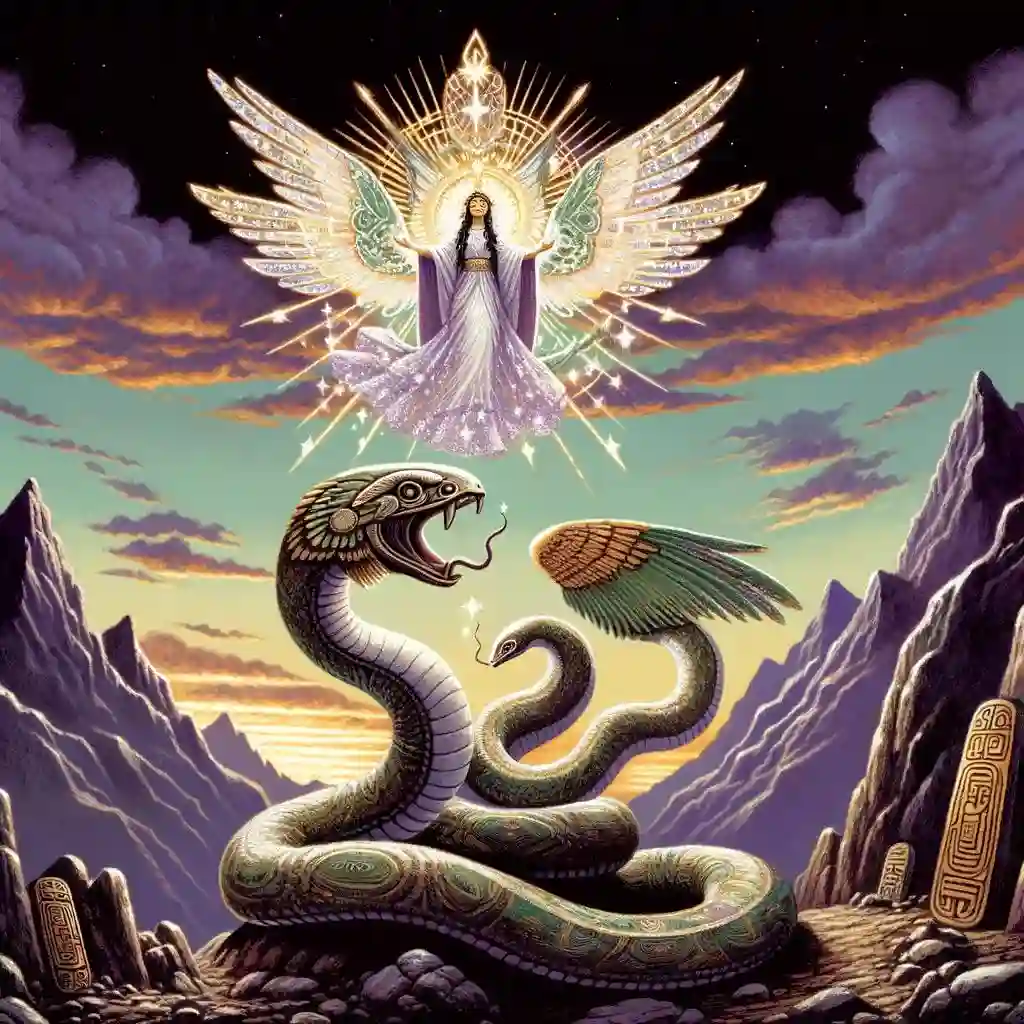
What are the most important gods and sacred beings in Peru mythology?
Besides monsters and spirits, peru mythology is also filled with powerful gods and sacred beings worshipped by ancient civilizations across the Andes. Many of these deities represented natural elements such as the sun, moon, earth, storms, and water. Understanding these gods helps explain why mythology of Peru is deeply connected to spirituality and nature.
1. Inti as the sun god worshipped by the Incas
Inti was one of the most important gods in peru mythology because the Incas believed the sun gave life, energy, and protection to the empire.
2. Viracocha as the creator deity in Peruvian mythology
Viracocha was considered the creator of the world, humans, and the cosmos in many peru myth traditions.
3. Illapa as the god of thunder rain and storms
Illapa controlled weather, lightning, and rain, making him extremely important for agriculture and survival.
4. Pachamama and her role as Mother Earth
Pachamama continues being one of the most respected spiritual figures in peru mythology and Andean traditions.
5. The sacred role of animal spirits in mythology of Peru
Animals such as condors, serpents, and pumas symbolized spiritual power and cosmic balance in peruvian mythology.
How Peru mythology continues influencing modern Peruvian culture?
Peru mythology continues influencing modern culture through festivals, traditional dances, spiritual ceremonies, literature, and tourism. Many Andean communities still preserve oral traditions connected to ancient legends, while spiritual rituals honoring Pachamama and mountain spirits remain important in daily life.
Additionally, peru mythology has become increasingly popular in documentaries, social media content, books, and travel experiences focused on folklore and mysticism. Travelers visiting Peru often discover that ancient beliefs are still present in local customs, especially in rural Andean and Amazonian communities.
The influence of mythology of Peru can also be seen in art, crafts, music, and cultural celebrations that continue honoring the spiritual connection between humans and nature. This lasting presence is one of the reasons why peru mythology remains fascinating for people interested in history, spirituality, and ancient civilizations.
