


The question “where can you find mermaids?” continues to attract travellers, storytellers, and mythology enthusiasts from around the world. While mermaids are not scientifically real creatures, they remain deeply embedded in cultural traditions, folklore, and symbolic narratives across many countries. In Peru, these stories are especially connected to sacred lakes, rivers, and Amazonian waterways.
Rather than being physical beings waiting to be discovered, mermaids in Peru are part of a broader cultural imagination shaped by indigenous beliefs, colonial influence, and natural landscapes that inspire mystery and storytelling.
You might be interested in: 15 Best trekking tours in Peru: Guide to the Andes Treks
Mermaid legends in Peruvian culture and Andean mythology
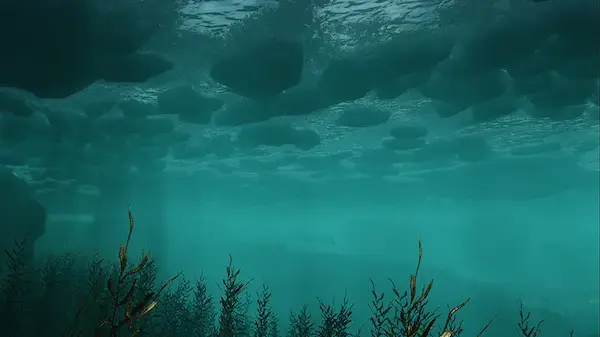
The idea behind where can you find mermaids in Peru is closely linked to ancient Andean mythology, where water is considered a sacred and life-giving element. Long before modern tourism, communities living near lakes and rivers told stories of water spirits that protected or punished those who interacted with natural resources disrespectfully.
These beings were often described in symbolic forms rather than fixed physical descriptions. Some accounts resemble half-human figures, while others focus more on spiritual guardians of water ecosystems. Over time, these narratives blended with European mermaid myths introduced during colonial periods, creating a unique fusion of cultural storytelling.
Lake Titicaca as the most iconic mermaid legend destination
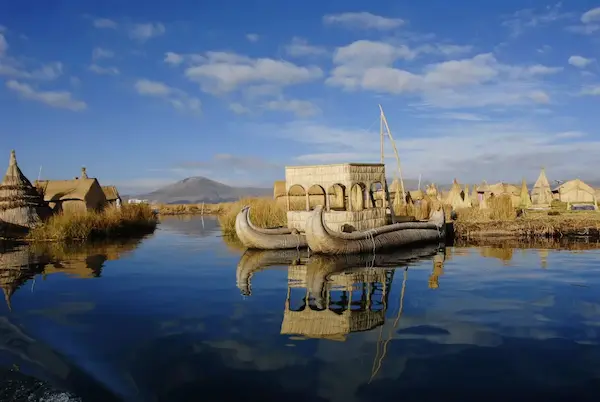
When discussing where can you find mermaids, Lake Titicaca is the most frequently mentioned location in Peru. This vast high-altitude lake is not only geographically impressive but also spiritually significant for Andean civilizations, especially the Incas.
Local legends describe mysterious beings associated with the lake’s depths, often interpreted as water spirits or symbolic guardians. While these stories vary between communities, they consistently highlight the lake as a sacred and mystical place.
For travellers, Lake Titicaca offers an atmosphere where mythology feels naturally present due to its vast waters, floating islands, and strong indigenous cultural traditions.
How tourists experience mermaid legends in Peru?
For visitors asking where can you find mermaids, the answer lies in cultural experience rather than literal sightings. In Peru, tourists can explore mermaid folklore through guided storytelling, local tours, and visits to culturally significant natural sites.
Boat tours on Lake Titicaca often include explanations of local myths, helping visitors understand how these stories are connected to respect for nature and water sources. In the Amazon region, similar narratives exist about river spirits and aquatic guardians, showing that these beliefs are widespread across different ecosystems.
Amazon rainforest and river spirit mythology
Beyond the highlands, the Amazon basin also plays a key role in answering where can you find mermaids in a cultural sense. Many Amazonian communities have legends of aquatic beings that inhabit rivers, lagoons, and flooded forests.
These stories are often linked to the idea of protecting nature and warning against dangerous or disrespectful behaviour in the water. While interpretations differ between ethnic groups, the presence of water spirits is a common theme throughout Amazonian oral traditions.
You might be interested in reading: 6 best Cusco tour operators
Where can you find mermaids: symbolic meaning of water spirits in Peruvian traditions
In Peruvian culture, water spirits and mermaid-like figures are not merely fantasy characters. They represent deeper symbolic meanings tied to nature, fertility, balance, and respect for natural resources.
Understanding where can you find mermaids in this context means understanding how communities interpret their environment. Rivers and lakes are often seen as living systems that require respect, and mythology serves as a way to reinforce this relationship.
Are mermaid sightings real or symbolic experiences?
Although there are anecdotal stories of sightings, there is no scientific evidence supporting the existence of mermaids. Most reports are interpreted as folklore, symbolic narratives, or misinterpretations of natural phenomena.
When people ask where can you find mermaids, these accounts are better understood as cultural expressions rather than literal observations. Optical illusions, reflections on water surfaces, or storytelling traditions often contribute to such legends.
Global origins of mermaid myths and their influence in Peru
The concept of mermaids exists in many cultures around the world, including Europe, Africa, Asia, and the Americas. These myths often originated from early maritime experiences, where sailors misidentified marine animals or created stories to explain the unknown.
In Peru, indigenous water spirit beliefs merged with European mermaid folklore during the colonial period. This cultural blending created unique interpretations that differ from traditional Western mermaid imagery. As a result, where can you find mermaids becomes a question that reflects both global mythology and local cultural adaptation.
Responsible tourism and cultural respect in myth-based travel
When exploring where can you find mermaids, it is important for travellers to approach these stories with cultural sensitivity. In Peru, mermaid legends are part of living traditions rather than entertainment myths.
Responsible tourism encourages visitors to appreciate these narratives as cultural heritage rather than literal expectations. Guided tours, museum exhibits, and local storytelling sessions provide respectful ways to engage with these traditions. This approach ensures that cultural identity is preserved while still allowing travellers to experience Peru’s rich mythology.
Environmental connection between myths and natural landscapes
Many mermaid legends in Peru are closely tied to environmental awareness. Lakes, rivers, and wetlands are often central to these stories, reinforcing the importance of protecting water ecosystems.
In this sense, where can you find mermaids is also connected to where nature is most respected and preserved. Mythology serves as a cultural reminder of the importance of ecological balance and sustainable interaction with natural resources.
You might be interested in reading: 5 best places to visit in Peru
Where can you find mermaids: psychological explanations behind sightings and folklore
When exploring where can you find mermaids, it is useful to understand the psychological and cognitive factors that influence how these stories emerge and persist. Human perception is highly sensitive to patterns, especially in environments such as lakes and rivers where light reflections, shadows, and movement can easily create illusions. In many historical accounts, alleged mermaid sightings can be explained through natural visual misinterpretations combined with cultural expectations.
Psychology also plays a major role in storytelling traditions. When people grow up hearing myths about water spirits, their brains are more likely to interpret ambiguous shapes or sounds in ways that align with those beliefs. This phenomenon, known as cognitive bias, helps explain why mermaid legends remain vivid across generations, even in modern times where scientific explanations are widely available.
Role of storytelling in preserving mermaid legends in Peru
Storytelling is one of the most important ways in which mermaid mythology continues to survive in Peru. In many rural and indigenous communities, oral tradition remains a primary method of passing down history, beliefs, and cultural identity. Within this framework, water spirits and mermaid-like figures are often included as symbolic characters in stories told to younger generations.
These narratives are not simply entertainment; they often carry moral lessons related to respect for nature, water conservation, and community values. Elders use storytelling to reinforce the importance of living in harmony with natural ecosystems, particularly in regions where rivers and lakes are essential for survival.
Artistic representations of mermaids in Peruvian culture
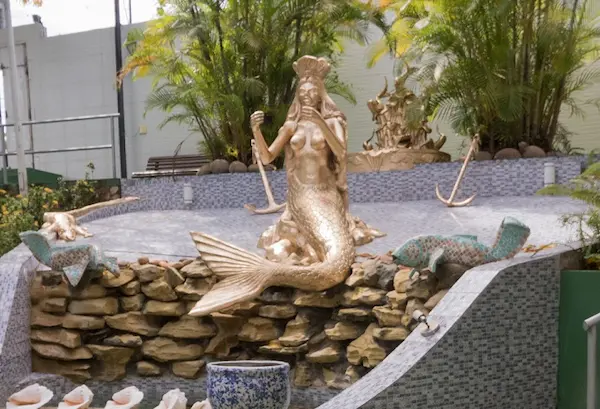
Art has played a significant role in shaping and preserving interpretations of where can you find mermaids in Peru. Throughout history, water spirit imagery has appeared in ceramics, textiles, carvings, and modern visual art inspired by indigenous traditions and colonial influences.
In Andean art, mermaid-like figures are often stylised rather than realistic, blending human and aquatic elements in symbolic ways. These representations are not meant to depict physical creatures but rather to express spiritual connections between humans and water ecosystems.
In contemporary Peru, artists continue to reinterpret these themes, incorporating mermaid symbolism into paintings, sculptures, and tourism-related artwork. This artistic evolution demonstrates how mythology adapts over time while maintaining its cultural relevance.
Influence of tourism marketing on mermaid myths
Modern tourism has also influenced how people interpret where can you find mermaids, especially in destinations like Lake Titicaca and the Amazon region. Travel agencies and local operators sometimes highlight folklore as part of cultural tourism experiences, presenting myths as a way to attract interest and enrich visitor engagement.
While this helps preserve and share traditional stories, it can also lead to simplifications or exaggerations of cultural beliefs. For example, complex spiritual narratives may be presented in a more romanticised form to appeal to international tourists seeking mystery and adventure.
Despite this, responsible tourism initiatives in Peru increasingly aim to balance storytelling with cultural accuracy, ensuring that mermaid legends are presented respectfully and within their proper cultural context.
Environmental symbolism of mermaid legends in water conservation
Mermaid myths in Peru often carry an underlying environmental message that connects directly to water conservation and ecosystem protection. When communities speak about water spirits, they are often expressing respect for rivers, lakes, and wetlands as living systems that sustain human and ecological life.
This symbolic relationship helps explain why the question where can you find mermaids is frequently associated with pristine natural environments. Clean, untouched bodies of water are often described in legends as inhabited by spirits, reinforcing the idea that nature must be preserved in order to maintain balance.
In modern environmental discussions, these myths are sometimes referenced as traditional ecological knowledge, showing how cultural narratives can contribute to contemporary sustainability awareness.
You might be interested in reading: What to do in Lima for a day
Comparative mythology: mermaid-like beings around the world
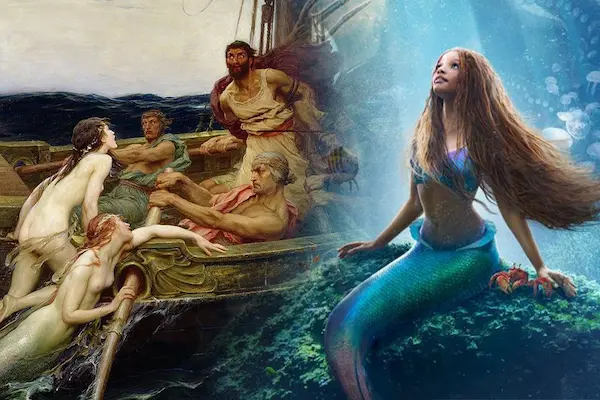
To fully understand where can you find mermaids, it is important to compare Peruvian legends with similar myths from other cultures. Across the world, many societies have developed stories of aquatic humanoid beings, although their meanings and characteristics vary significantly.
In Europe, mermaids are often depicted as beautiful sea creatures associated with both danger and enchantment. In African traditions, water spirits such as Mami Wata are linked to fertility, wealth, and spiritual power. In Asia, river and sea spirits often play protective roles within local belief systems.
Where can you find mermaids in Peru?
The answer to where can you find mermaids is not about physical discovery but about cultural exploration. In Peru, mermaid legends exist within the landscapes, traditions, and storytelling practices of local communities.
From Lake Titicaca to the Amazon rainforest, these myths reflect humanity’s long-standing fascination with water, mystery, and nature. While mermaids are not real creatures, their presence in folklore adds depth and meaning to Peru’s cultural identity.
For travellers, the true experience lies in discovering the stories, landscapes, and traditions that keep these legends alive rather than searching for literal sightings.
