




Peru is renowned worldwide for its diverse culture, rich history, and incredible cuisine. Beyond the famous dishes like ceviche and lomo saltado, the country boasts a wide range of beverages that are integral to its heritage. The traditional peruvian drinks tell stories of indigenous knowledge, colonial influences, and local ingredients that have shaped the country’s culinary identity over centuries.
From the arid coast to the towering Andes and the lush Amazon, each region offers unique beverages. Sampling these drinks is not just a culinary adventure; it’s a cultural experience.
Top 5 traditional peruvian drinks
The following beverages are among the most iconic and widely appreciated in Peru. They represent both cultural significance and regional diversity.
You may be interested in: Rainbow Mountain in Peru: Travel Guide Cusco 2026
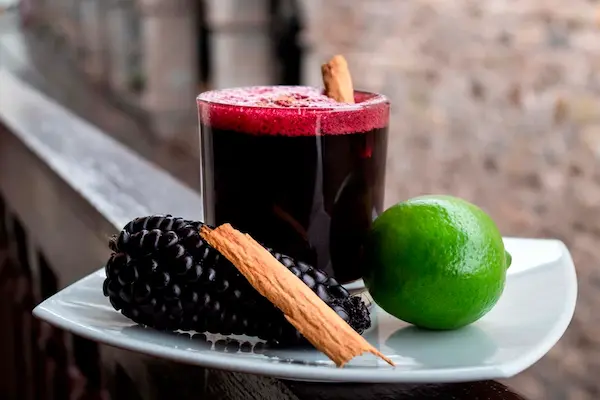
1. Chicha Morada – The Purple Corn Beverage
Chicha morada is a sweet, refreshing drink made from purple corn, pineapple, cinnamon, and cloves. It originates from pre-Columbian times, when the Incas first cultivated purple corn for ceremonial and medicinal purposes. This beverage remains deeply embedded in Peru’s culinary traditions.
Prepared by boiling purple corn with spices and fruits, chicha morada has a slightly tart and sweet flavour and is usually served chilled. Rich in antioxidants, it is a healthy choice for travellers seeking both taste and nutrition.
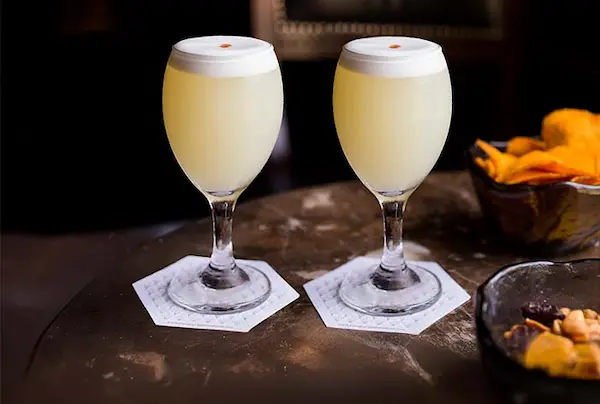
2. Pisco Sour – Peru’s National Cocktail
The Pisco Sour is perhaps the most internationally recognised traditional peruvian drink. Made with pisco (a grape brandy), lime juice, simple syrup, egg white, and bitters, it balances sweet, sour, and frothy textures perfectly.
Its origins trace back to the early 20th century, combining Peruvian pisco with influences from American bartenders. Today, the cocktail represents national pride and is enjoyed in restaurants, bars, and during festivals.
Travellers can taste Pisco Sours while exploring the Sacred Valley or during a 2 day Inca Trail tour, combining the adventure of trekking with the pleasure of Peruvian mixology.
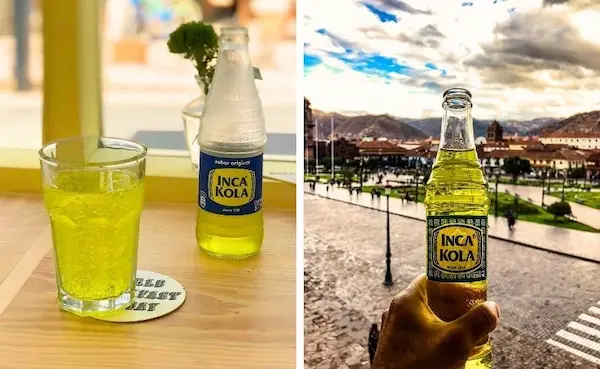
3. Inca Kola – The Golden Soda
Inca Kola is a bright yellow soft drink with a sweet, bubblegum-like flavour. It is widely consumed across Peru and has become a symbol of national identity, often accompanying meals such as roasted chicken or street food like anticuchos.
Introduced in 1935, Inca Kola represents the fusion of commercial beverage innovation with local tastes. Its unique flavour makes it instantly recognisable to locals and tourists alike.
You might be interested in reading: What to do in Lima for a day
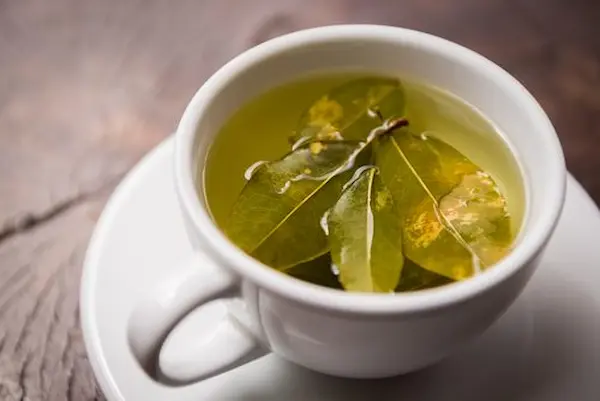
4. Mate de Coca – The Herbal Andean Tea
Mate de Coca is a traditional herbal tea made from coca leaves, known for natural stimulant and anti-altitude effects. Indigenous communities have used it for centuries to boost energy, combat fatigue, and aid digestion at high altitudes.
Steeping dried coca leaves in hot water releases mild alkaloids that help travellers adapt to trekking in the Andes. Adding sugar or mint can enhance flavour without altering its functional properties.
5. Emoliente – The Medicinal Herbal Drink
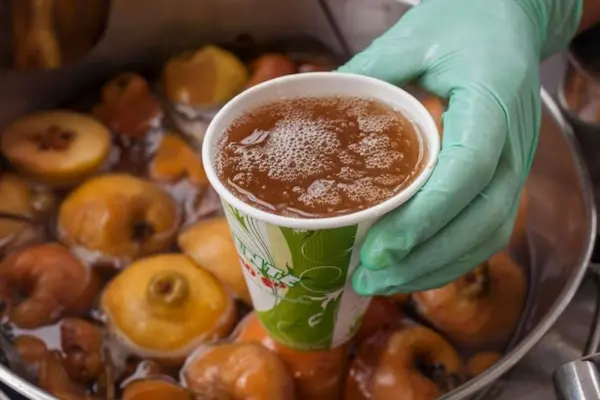
Emoliente is a warm herbal beverage made from a variety of Peruvian plants, seeds, and sometimes honey or lemon. Commonly consumed in urban areas like Lima, it supports digestion, relaxation, and general wellness.
Local vendors often customise emoliente recipes according to the season or the customer’s health needs, highlighting its medicinal aspect. This drink demonstrates how traditional peruvian drinks extend beyond flavour to include therapeutic properties.
Travellers can taste emoliente before or after treks, such as the Salkantay premium trek, gaining insight into the role of plants in Peruvian daily life and wellness practices.
Regional variations of traditional peruvian drinks
Peru’s diverse geography influences its beverages. Coastal regions favour chicha morada and Inca Kola, highland areas highlight mate de coca and emoliente, and the Amazon offers fruit-based drinks like camu camu, guanábana, and aguaje juice.
Sampling drinks regionally reveals different preparation techniques and ingredient choices. This provides travellers with an understanding of how climate, agriculture, and culture influence traditional peruvian drinks.
Tasting beverages across regions during treks or tours allows visitors to see the variety of Peruvian ingredients and experience the cultural richness tied to each drink.
Historical origins and cultural significance of traditional peruvian drinks
Many traditional peruvian drinks trace back to pre-Columbian times. Chicha morada was used in rituals, Pisco reflects colonial influences, and mate de coca is tied to daily Andean life. These drinks are central to festivals, ceremonies, and social gatherings.
Tour guides and Peru tour operators explain the stories behind each beverage, linking them to agriculture, spirituality, and history. Understanding these origins deepens travellers’ appreciation for Peru’s culture.
Learning about the historical and cultural context of drinks enriches the tasting experience, turning a simple sip into a connection with centuries of tradition and the Peruvian way of life.
Pairing traditional drinks with peruvian cuisine
Pairing drinks with meals enhances the experience. Chicha morada complements desserts and roasted meats; Pisco Sour pairs with seafood, especially ceviche; Inca Kola goes with street foods and roasted chicken.
Regional pairings reflect Peru’s culinary diversity, connecting beverages with local ingredients and flavour profiles. Traditional peruvian drinks become part of a broader sensory journey.
Health benefits of traditional peruvian drinks
Many drinks offer medicinal and nutritional benefits. Chicha morada is rich in antioxidants, mate de coca aids digestion and altitude adaptation, and emoliente promotes wellness. Amazon fruit juices like camu camu provide vitamin C.
Understanding health properties encourages travellers to enjoy drinks responsibly. Guided tours highlight these aspects, merging gastronomy with wellness in Andean and Amazonian contexts.
Experiences and workshops
Interactive workshops allow travellers to prepare chicha morada, mix Pisco Sours, or steep mate de coca correctly. These hands-on experiences highlight traditional peruvian drinks in context.
Treks like the Salkantay trek 4 days include local hospitality stops where drinks are served with explanations of their history and preparation.
Workshops combine learning, tasting, and cultural immersion, turning each visit into a memorable journey through Peru’s beverage heritage.
Festivals and traditional peruvian drinks
Many traditional peruvian drinks are integral to local festivals and celebrations. During events like Inti Raymi or the Festival of the Virgen del Carmen, beverages such as chicha morada and Pisco Sour are shared among participants, symbolising community and cultural continuity.
These drinks often accompany music, dance, and ritual performances, creating a full sensory experience. Sampling them during festivals allows travellers to experience Peru’s heritage in a lively and authentic context.
Tour operators sometimes coordinate visits to these festivals, combining trekking or city exploration with opportunities to taste beverages in their traditional ceremonial setting. This approach enhances cultural understanding and provides unforgettable memories of Peruvian life.
You might be interested in reading: 4 days in lima for food lovers: a culinary itinerary
Traditional beverage preparation and techniques
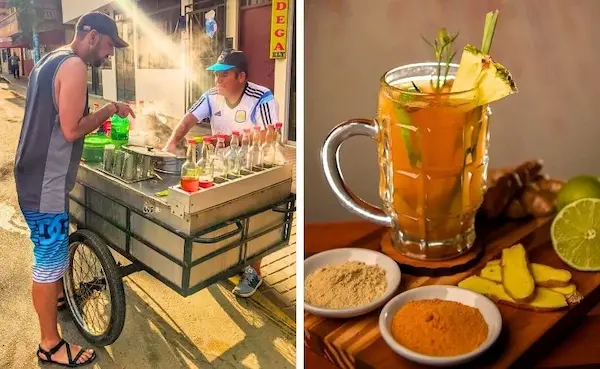
The process of preparing traditional peruvian drinks is often as fascinating as consuming them. Each beverage has unique techniques passed down through generations, combining indigenous methods with influences from colonial and modern times. For example, chicha morada requires careful boiling of purple corn with spices and fruits, while mate de coca must be steeped at the right temperature to release beneficial compounds without losing flavor.
In rural communities, preparation is often a communal activity. Families gather to wash, sort, and process ingredients, teaching younger generations the nuances of measurement, timing, and mixing. These practices ensure consistency in taste and preserve cultural knowledge. Many towns also host workshops where visitors can observe or participate, providing insight into the traditions behind the drinks.
Modern innovations
While rooted in history, traditional peruvian drinks continue to evolve with modern twists. Mixologists and chefs now create innovative versions of classic beverages, such as chicha cocktails, artisanal Pisco Sour variations, and fruit-infused emolientes.
These modern adaptations introduce new flavours while respecting traditional recipes. Tourists can try these creations in urban restaurants or during guided culinary tours, merging contemporary taste with historical significance.
Experiencing these innovative drinks provides insight into how Peru’s culinary culture adapts over time. It shows that traditional peruvian drinks are not only preserved as heritage but also embraced as a living, evolving part of the country’s gastronomy.
The cultural context of peruvian beverages
Across the country, the preparation and consumption of drinks carry cultural significance, reflecting centuries of tradition and adaptation. From coastal towns to highland villages and Amazonian communities, each region has developed its own unique approach to beverages, using locally sourced ingredients and age-old techniques.
In urban areas, drinks like emoliente or Pisco cocktails are enjoyed in cafés, bars, and restaurants, blending modern lifestyles with traditional flavours. In rural regions, the process of preparing beverages is often communal, with family and neighbours coming together to share recipes and techniques. This collective involvement ensures the preservation of knowledge and strengthens social bonds.
Visiting different regions and interacting with locals provides a richer perspective on Peruvian gastronomy. Travellers learn about the significance of each ingredient, how seasonal and geographic factors influence flavours, and how these drinks are celebrated in ceremonies and festivals. By immersing oneself in these experiences, visitors gain a holistic understanding of Peru’s culinary and cultural landscape, making every sip meaningful.
You might be interested in reading: 5 best places to visit in Peru
Savoring traditional peruvian drinks
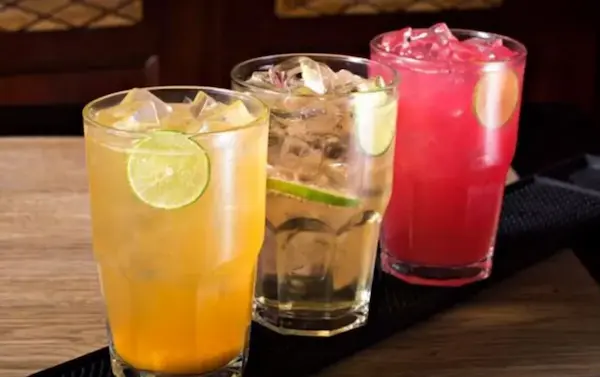
The traditional peruvian drinks provide travellers with a multi-sensory journey through Peru’s culture and geography. From chicha morada to Pisco Sour, each beverage tells a story of the people, ingredients, and history behind it.
Enjoying these drinks during tours combines adventure, culinary exploration, and cultural learning. Appreciating their flavours, preparation methods, and historical context ensures travellers leave with lasting memories of Peru’s tastes and traditions.
