




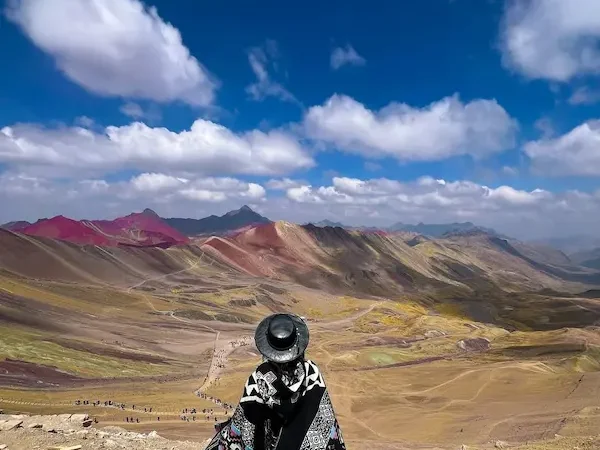
Rainbow Mountain in Peru, also known as Vinicunca or Montaña de Siete Colores, has rapidly become one of the most iconic natural attractions in South America. Located deep in the Andes near Cusco, this destination offers travelers a striking visual experience shaped by geological processes that took millions of years to form. Its layered colors ranging from deep reds to golden yellows and earthy greens create a landscape that feels almost surreal.
For travelers visiting Cusco, this destination represents an opportunity to explore beyond the traditional circuit of Machu Picchu and the Sacred Valley. It provides a different kind of experience: one rooted in nature, physical challenge, and high-altitude exploration. Rainbow Mountain in Peru is not just a scenic viewpoint, but a journey that requires preparation, endurance, and awareness of environmental conditions.
This guide is designed to give you a comprehensive understanding of how to plan your visit, what to expect during the hike, how to deal with altitude, and how to make the most of your time in the Cusco region.
You may be interestd in: Peru in April and the Best Places to Visit
Why This Destination Has Become a Must-Visit in Cusco
The growing popularity of this mountain is not accidental. It reflects a broader shift in travel trends, where visitors are increasingly seeking destinations that combine natural beauty with adventure and authenticity.
A Geological Formation Shaped by Time
Rainbow Mountain in Peru is the result of sedimentary layers that were formed over millions of years and later exposed due to tectonic activity and erosion. Each color visible on the mountain corresponds to different mineral compositions, including iron oxide, sulfur, and copper compounds. These natural processes have created one of the most visually unique landscapes in the Andes.
What makes this destination particularly interesting is that its colors were not widely visible until recent decades, when climate changes caused the snow covering the mountain to melt. As a result, Rainbow Mountain in Peru emerged relatively recently as a major tourist attraction.
A Natural Alternative to Archaeological Tourism
Cusco is heavily associated with Inca history, but not all travelers are exclusively interested in ruins and archaeological sites. This mountain offers a contrasting experience that highlights Peru’s natural diversity. Visiting Rainbow Mountain in Peru allows travelers to engage with landscapes rather than structures, providing a different perspective on the region.
A Physically Rewarding High-Altitude Experience
At over 5,000 meters above sea level, this destination presents a significant physical challenge. The altitude affects oxygen levels, making even simple movements more demanding. However, reaching the viewpoint offers a strong sense of accomplishment, which is part of what makes Rainbow Mountain in Peru such a rewarding experience.
What to Expect During the Hike
Understanding the physical and environmental conditions of the hike is key to having a successful experience.
Trail Characteristics and Difficulty
The trail itself is not technically complex, but the altitude significantly increases the level of difficulty. The path consists of gradual inclines with some steeper sections near the end. Even physically fit travelers may find the hike challenging due to reduced oxygen levels.
Rainbow Mountain in Peru is often described as a moderate hike in terms of terrain but difficult in terms of altitude, which is an important distinction.
Duration and Pace
The ascent typically takes between one and a half to three hours, depending on your pace and acclimatization level. It is important to walk slowly and take breaks as needed. The descent is faster but still requires attention to footing.
Overall, the time spent hiking is only part of the experience, as the surrounding landscapes contribute significantly to the journey.
Scenery Along the Route
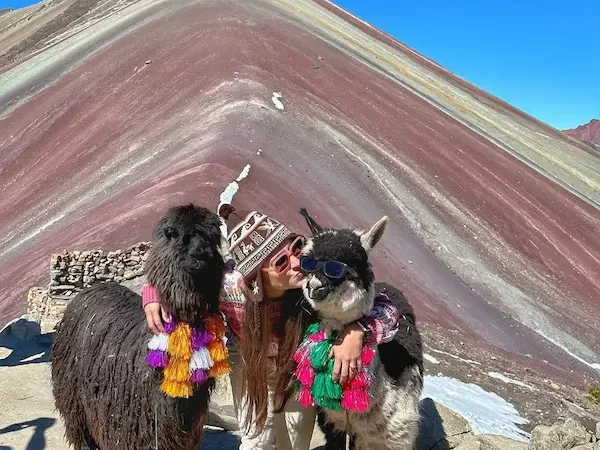
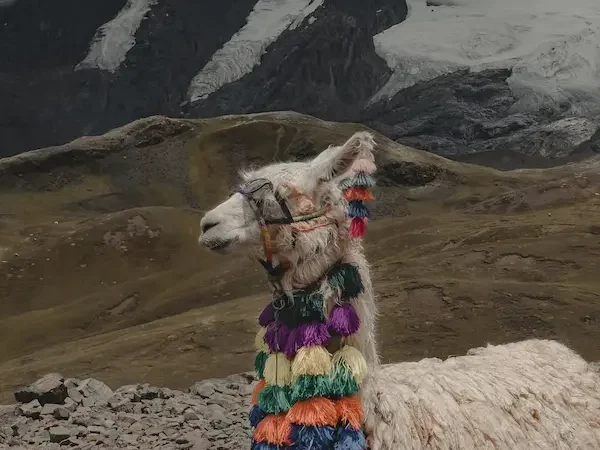
The route offers views of snow-capped peaks, wide valleys, and herds of alpacas and llamas. These elements create a dynamic and immersive environment that enhances the appeal of Rainbow Mountain in Peru beyond the final viewpoint.
Best Time to Visit
Choosing the right time to visit can greatly influence your overall experience, as weather conditions in the Andes are highly variable and directly impact visibility, trail quality, and comfort during the hike. In general, the dry season running from May to September is considered the best period to visit Rainbow Mountain in Peru. During these months, rainfall is minimal, the skies are usually clearer, and the vibrant mineral colors of Rainbow Mountain in Peru are more visible, which is especially important for photography. The trail is also drier and easier to navigate, reducing the physical difficulty of the hike.
On the other hand, the rainy season, which typically lasts from November to March, presents more challenging conditions. Rain can make the trail muddy and slippery, while cloud cover may obscure the mountain, limiting visibility and diminishing the visual impact of the landscape. Although it is still possible to visit during this time, travelers should be prepared for less predictable weather and a potentially more demanding trek.
Time of day is another important factor to consider. Most tours depart very early in the morning, often before sunrise, in order to reach the mountain before crowds arrive and before clouds begin to build up later in the day. Early visits not only improve visibility but also provide a quieter and more immersive experience. Additionally, morning conditions tend to be more stable, with less wind and better lighting, making it the ideal time to fully appreciate the scenery at Rainbow Mountain in Peru.
You may be interestd in: 10 National Animals of Peru You Should Know
Costs and Tour Options
Budgeting for your visit is relatively straightforward, as there are multiple options available depending on your travel style, level of comfort, and how much support you want during the experience. Prices can vary slightly depending on the season and operator, but overall, visiting Rainbow Mountain in Peru is considered affordable compared to similar high-altitude destinations around the world.
Standard Tour Packages
Most travelers choose standard group tours, which typically include round-trip transportation from Cusco, breakfast, lunch, and a professional guide. These tours offer excellent value and are the most common way to experience Rainbow Mountain in Peru, especially for first-time visitors. Group sizes can vary, and while the experience is structured, it is efficient and well-organized, making it a reliable option.
Premium and Private Tours
Higher-end options are available for those seeking a more comfortable and personalized experience. These tours usually operate with smaller groups or as fully private services, allowing for more flexibility in pacing and schedule. They may include higher-quality meals, better transportation, and more attentive guiding. This type of experience is ideal for travelers who prefer to avoid crowds or want a more relaxed approach to visiting Rainbow Mountain in Peru.
Additional Expenses
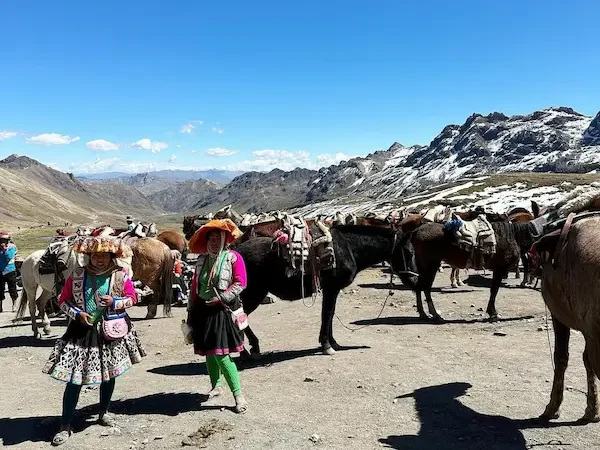
In addition to the tour price, there are a few extra costs to consider. Entrance fees are typically paid separately and are relatively inexpensive. Horse rentals are also available along the trail for those who prefer not to complete the hike on foot or need assistance due to altitude. It is also customary to tip guides and drivers if you are satisfied with the service. Bringing some cash is recommended, as payment options in remote areas are limited.
Altitude and Health Considerations
Altitude is one of the most important factors to consider when planning this trip.
Acclimatization Is Essential
Spending at least two or three days in Cusco before attempting the hike allows your body to adjust to the altitude. This significantly reduces the risk of altitude sickness.
Recognizing Symptoms
Common symptoms include headaches, dizziness, and fatigue. Being aware of these signs can help you respond appropriately if they occur during your visit to Rainbow Mountain in Peru.
Practical Tips for Managing Altitude
Staying hydrated, eating light meals, and maintaining a slow pace are key strategies. Some travelers also use coca leaves or altitude medication as preventive measures.
What to Pack for the Trip
Preparation is essential due to rapidly changing weather conditions and the high-altitude environment. Temperatures can shift dramatically within a few hours, and being properly equipped can make a significant difference in both comfort and safety during the hike.
Clothing for Variable Weather
Layered clothing is highly recommended, as temperatures can vary significantly throughout the day. Early mornings are usually very cold, often close to freezing, while midday can feel considerably warmer under direct sunlight. A good combination includes a thermal base layer, a fleece or insulating jacket, and a windproof or waterproof outer layer. Gloves, a hat, and a buff or scarf are also useful for protecting against cold winds, especially at higher elevations.
Essential Gear
Bringing the right gear will enhance your overall experience. Sunscreen and sunglasses are essential due to strong UV exposure at high altitude. A hat with a brim can provide additional protection from the sun. Comfortable trekking shoes with good grip are crucial, as the trail can be uneven or slippery depending on conditions. Trekking poles can also be helpful for maintaining balance and reducing strain during both the ascent and descent.
Food and Hydration
Carrying enough water is critical, as dehydration can worsen the effects of altitude. Even if your tour includes meals, it is advisable to bring extra snacks such as energy bars, fruit, or nuts to maintain your energy levels during the hike. Light, easy-to-digest foods are best, as heavy meals can feel more difficult to process at high elevations.
You may be interestd in: 6 best Cusco tour operators
Where to Stay in Cusco
Cusco serves as the main base for visiting this destination, offering a wide variety of accommodation options for different budgets and travel styles. Choosing the right place to stay can improve your overall experience, especially as you prepare for high-altitude activities like visiting Rainbow Mountain in Peru.
Budget Accommodation
For travelers looking to keep costs low, Cusco has a large selection of hostels and guesthouses. These options provide basic amenities, social environments, and convenient locations near the city center. They are ideal for backpackers and travelers who prioritize experiences over luxury.
Mid-Range Hotels
Mid-range hotels offer a balance between comfort and affordability. These accommodations typically include private rooms, heating, breakfast, and additional services such as tour assistance. They are a popular choice for travelers who want a comfortable stay while preparing for excursions to Rainbow Mountain in Peru.
Luxury Options
Cusco also features high-end hotels that provide premium amenities such as spa services, fine dining, and panoramic views of the city or surrounding mountains. These accommodations are ideal for travelers seeking relaxation and comfort after physically demanding activities. Staying in a luxury hotel can be especially appealing after completing the hike to Rainbow Mountain in Peru, allowing you to recover in a more comfortable environment.
Additional Activities to Combine with Your Trip
Enhancing your itinerary can make your visit more comprehensive.
Exploring the Sacred Valley
This region offers a mix of cultural and natural attractions that complement your visit.
Visiting Machu Picchu
Combining Machu Picchu with Rainbow Mountain in Peru creates a well-rounded itinerary.
Cultural Experiences in Cusco
Markets, museums, and local cuisine provide deeper insight into Peruvian culture.
Frequently Asked Questions
Is the hike suitable for beginners?
Yes, but preparation and acclimatization are essential for completing Rainbow Mountain in Peru safely.
How many days should I spend in Cusco?
At least three to four days are recommended before attempting the hike.
Is it worth the effort?
For many travelers, the combination of scenery, challenge, and uniqueness makes the experience highly rewarding.
You may be interestd in: Is Puerto Maldonado Safe? Safety Guide for Visitors
Conclusion: A High-Altitude Experience Worth Planning
Rainbow Mountain in Peru offers a distinctive experience that combines natural beauty with physical challenge. Its accessibility from Cusco and its visual impact make it one of the most compelling destinations in the region, especially for travelers who want to go beyond the traditional highlights and explore lesser-known landscapes of the Andes.
What truly sets this experience apart is not only the destination itself, but the journey required to reach it. The early departure, the gradual ascent, and the changing scenery along the trail all contribute to a sense of progression that makes the final viewpoint even more rewarding. For many travelers, standing at the summit becomes a moment of reflection as much as achievement, shaped by both the environment and the effort involved.
With proper planning, attention to altitude, and respect for the environment, this journey can become one of the highlights of your trip. Taking the time to acclimatize in Cusco, choosing the right tour or route, and preparing adequately for weather conditions will significantly improve your overall experience.
It is also important to approach the visit with a sense of responsibility. As tourism continues to grow, preserving the natural landscape and supporting local communities are essential. Small actions, such as minimizing waste and respecting local customs, help ensure that future travelers can continue to enjoy the same experience.
Whether you are seeking adventure, photography opportunities, or a deeper connection with nature, this destination provides a memorable and meaningful experience in the Andes. Adding Rainbow Mountain in Peru to your itinerary allows you to experience a different side of the country one defined not only by history, but also by its extraordinary natural landscapes.
