




Peru is a country of mountains, rainforest, deserts, and oceans. Its landscapes are incredibly diverse, and so is its wildlife. The National Animals of Peru represent more than just species living in different ecosystems; they reflect history, culture, and identity. Each animal tells a story about adaptation, spirituality, and the deep relationship between people and nature. Understanding these animals helps us understand Peru itself. In this article, we will explore their meaning, symbolism, and why they continue to inspire admiration across generations.
You might be interested in reading:6 best Cusco tour operators
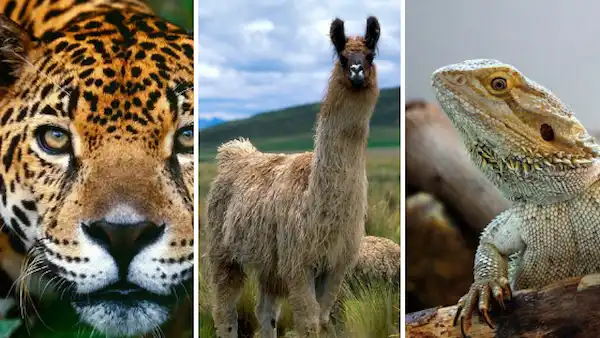
National Animals of Peru: A Symbol of Biodiversity and Cultural Identity
The National Animals of Peru represent one of the richest biodiversities on the planet. Peru is recognized as a megadiverse country, home to ecosystems that range from the towering Andes Mountains to the vast Amazon rainforest and the Pacific coastline. This extraordinary environmental variety has allowed thousands of unique species to thrive, many of them endemic to specific regions. The diversity of climates and altitudes has shaped a natural heritage that is both scientifically valuable and culturally meaningful.
Beyond biology, the National Animals of Peru hold deep cultural significance. Ancient civilizations such as the Nazca, Moche, and Inca depicted animals in textiles, ceramics, goldwork, and monumental architecture. These representations were not merely decorative; animals were viewed as spiritual guides, sacred messengers, and symbols of strength or fertility. Over time, wildlife became embedded in mythology, cosmology, and social identity, reinforcing a worldview in which humans and nature were inseparably linked.
The concept of National Animals of Peru therefore extends far beyond patriotic symbolism. It reflects how wildlife has shaped ceremonies, oral traditions, and even national emblems—such as the vicuña on the coat of arms, symbolizing prosperity, and the condor, representing a bridge between the earthly and the divine. Even today, travelers exploring the Andes through experiences like Huayna Picchu tours full day often encounter these enduring symbols in art, storytelling, and local traditions. In this way, animals continue to serve as living connections between Peru’s natural richness and its enduring cultural identity.
Why the National Animals of Peru Represent Peru’s Natural Wealth
The National Animals of Peru reflect the country’s immense ecological wealth. Peru’s geography creates natural corridors where species evolve uniquely. From snow-capped peaks to tropical rivers, the country functions as a living laboratory of evolution.
Natural wealth is not measured only in minerals or economic resources. Biodiversity itself is a form of wealth. The presence of iconic animals contributes to tourism, scientific research, and environmental education. Many travelers visit Peru not only for Machu Picchu but also to observe condors soaring above Colca Canyon or pink dolphins swimming in the Amazon.
Furthermore, these animals represent resilience. Surviving extreme altitudes, harsh desert climates, and dense jungle environments requires extraordinary adaptation. Their existence is proof of nature’s capacity for innovation.
By valuing the National Animals of Peru, the country reinforces its commitment to conservation, sustainability, and respect for ecosystems that benefit both current and future generations.
You might be interested in reading:15 Best trekking tours in Peru
The 10 National Animals of Peru
1. Vicuña
The vicuña is officially recognized as Peru’s national animal and is one of the most emblematic species in the Andes. This graceful camelid lives at altitudes above 3,500 meters, enduring cold temperatures and intense sunlight.
Historically, the Inca considered the vicuña sacred. Only royalty could wear garments made from its fine wool, which is still considered among the most valuable fibers in the world. Today, sustainable shearing practices protect the species while supporting Andean communities.
The vicuña represents prosperity and responsible coexistence between humans and wildlife.
2. Andean Condor
The Andean condor is one of the largest flying birds in the world and a powerful cultural symbol. With wings that can span over three meters, it glides majestically over mountains and valleys.
In Andean cosmology, the condor represents the upper world, or Hanan Pacha. It connects humans with the heavens and spiritual forces. Its image appears in myths and ceremonies throughout the Andes.
Although threatened by habitat loss, conservation efforts aim to ensure that this magnificent bird continues soaring above Peru’s landscapes.
3. Andean Cock-of-the-Rock
The Andean cock-of-the-rock is Peru’s national bird. Known for its bright orange plumage and unique crest, it inhabits cloud forests along the eastern Andes.
This bird performs elaborate courtship dances, making it one of the most fascinating species to observe. Its vibrant appearance symbolizes the colorful diversity of Peru’s ecosystems.
For birdwatchers, spotting this species is a memorable experience that highlights the richness of Peru’s avian life.
4. Jaguar
The jaguar is the largest feline in the Americas and a symbol of strength and power. In the Amazon rainforest, it occupies the top of the food chain.
Ancient cultures revered the jaguar as a mystical being capable of moving between worlds. Its image appears in pottery, textiles, and ceremonial objects.
Today, protecting jaguar habitats is essential for maintaining ecological balance in the Amazon basin.
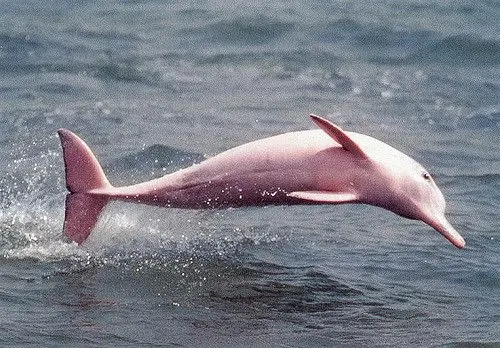
5. Pink River Dolphin
The pink river dolphin inhabits the Amazon River system. Its distinctive coloration and intelligence make it one of the most unique aquatic mammals in the world.
Local legends often describe it as a magical creature capable of transforming into human form. These stories reflect the deep spiritual connection between Amazonian communities and their environment.
Conservation efforts focus on reducing river pollution and protecting aquatic ecosystems.
6. Giant River Otter
The giant river otter is a highly social and vocal species found in Amazonian waterways. Living in family groups, it demonstrates remarkable cooperation.
Because it depends on clean rivers and abundant fish populations, it serves as an indicator of ecosystem health.
Preserving its habitat ensures the survival of many interconnected species within the rainforest.
7. Humboldt Penguin
Along Peru’s Pacific coast lives the Humboldt penguin. Adapted to cold ocean currents, it nests in rocky coastal areas.
Its presence highlights the importance of marine conservation and sustainable fishing practices.
This species reminds us that Peru’s biodiversity extends beyond mountains and forests into marine ecosystems.
8. South American Sea Lion
The South American sea lion inhabits coastal islands and beaches. Known for its playful behavior, it attracts visitors to Peru’s shores.
Sea lions play an essential role in marine food chains. Protecting ocean habitats benefits not only them but also entire coastal communities.
9. Spectacled Bear
The spectacled bear, named for the light markings around its eyes, is the only bear species in South America.
It inhabits Andean cloud forests and contributes to seed dispersal, supporting forest regeneration.
Protecting this species helps maintain mountain ecosystems critical for water resources.
10. Llama
The llama has been domesticated for thousands of years and remains essential in Andean culture.
Used as a pack animal, it enabled trade and communication across mountain regions. Even today, llamas are part of rural livelihoods and traditions.
They symbolize endurance, cooperation, and cultural continuity.
You might be interested in reading:Is Puerto Maldonado Safe? Safety Guide for Visitors
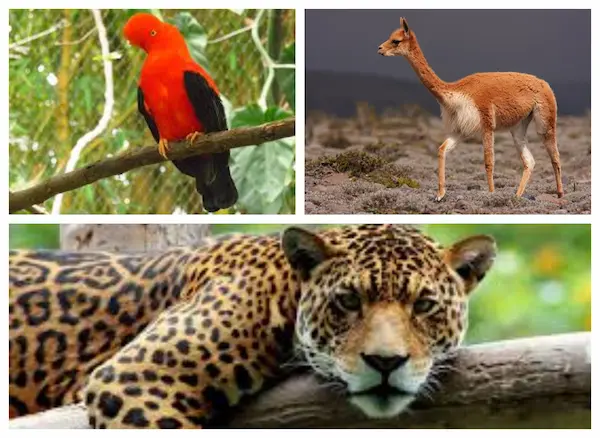
Endangered National Animals of Peru and Conservation Efforts
Several National Animals of Peru face growing threats, including habitat loss, climate change, illegal hunting, and environmental degradation. Expanding agricultural frontiers, mining activities, and deforestation in certain regions have placed pressure on fragile ecosystems. As biodiversity declines globally, Peru’s wildlife requires active and sustained protection strategies to ensure long-term survival.
Conservation initiatives across the country focus on:
- Protected natural areas that safeguard critical ecosystems.
- Scientific research and wildlife monitoring to track population health.
- Community-based conservation programs that involve local populations.
- Environmental education campaigns promoting awareness and responsibility.
- Sustainable tourism models that reduce ecological impact.
National parks such as Manu National Park and Huascarán National Park serve as vital refuges for endangered species. These protected areas preserve habitats ranging from high-altitude Andean ecosystems to dense Amazonian forests. Increasingly, local communities participate in eco-tourism, conservation training, and wildlife observation programs, creating economic incentives aligned with environmental protection. Preserving biodiversity ultimately requires collaboration between governments, scientists, Indigenous groups, and responsible travelers.
Where to See the National Animals of Peru in Their Natural Habitat
Travelers can observe the National Animals of Peru in diverse regions. The Andes offer Travelers can observe the National Animals of Peru across the country’s remarkably diverse regions. In the Andes, visitors may encounter vicuñas grazing across high plains or condors soaring above deep canyons. The Amazon rainforest offers opportunities to see jaguars, pink river dolphins, and giant otters within protected reserves. Along the Pacific coast, marine sanctuaries shelter Humboldt penguins and sea lions in rocky island ecosystems.
Responsible tourism plays an important role in conservation by generating funding and raising awareness. Experiences such as Tours in Arequipa often combine cultural exploration with visits to nearby natural landscapes, allowing travelers to appreciate wildlife within a broader ecological and historical context. By observing animals in their natural habitats, visitors gain deeper understanding of Peru’s environmental richness and the importance of protecting it for future generations.
You might be interested in reading:Places to Travel in March in Peru
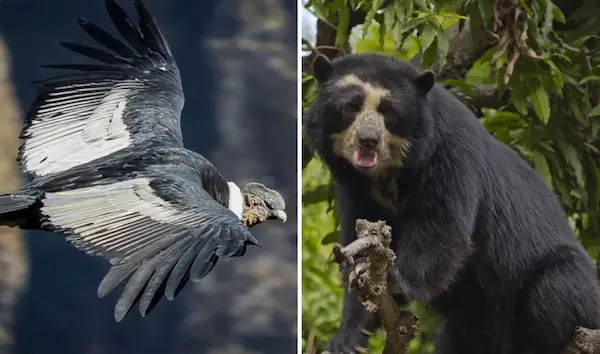
Why the National Animals of Peru Still Matter Today
The National Animals of Peru continue to inspire environmental awareness, cultural pride, and a sense of shared responsibility. They are not simply biological species identified within borders; they are living symbols of the country’s extraordinary ecological wealth. In a nation recognized for its megadiversity, these animals represent the balance between mountains, forests, rivers, and coastlines that sustain life.
In a rapidly changing world marked by climate challenges and habitat loss, protecting wildlife becomes an act of respect for both history and future generations. Conservation is not only about preserving species, but also about safeguarding the ecosystems and cultural traditions connected to them. The National Animals of Peru embody this intersection of culture, science, and sustainability, reminding society that environmental stewardship is a collective duty.
Cultural experiences throughout the Andes further reinforce this connection between identity and nature. Programs such as Pallay Punchu full day highlight traditional knowledge, textile symbolism, and the enduring relationship between communities and their surrounding landscapes. By valuing wildlife as part of living heritage, Peruvians and visitors alike recognize that protecting these national animals is essential to preserving both biodiversity and cultural continuity.
A Living Legacy Worth Protecting
The National Animals of Peru are more than symbols on paper; they are living beings sharing the land, mountains, rivers, and oceans. When we learn about them, we understand how closely culture and nature are connected. Protecting them is not only about saving species but about honoring traditions and ensuring balance. Each generation has the responsibility to care for this legacy. By valuing wildlife, we protect Peru’s heart and the extraordinary diversity that makes it unique in the world.
