




Peru is one of the best destinations in the world for trekking adventures. From ancient Inca trails to remote mountain routes, the country offers an incredible variety of landscapes that attract hikers and explorers from all over the globe.
Many travelers visit Peru specifically to experience multi-day trekking tours through the Andes, where dramatic peaks, turquoise lakes, and centuries-old ruins create unforgettable scenery. The most famous trek is the Inca Trail to Machu Picchu, but there are many other incredible routes including the Salkantay Trek, the Lares Trek, and the challenging Choquequirao trek.
In this guide, you will discover the best trekking tours in Peru, including classic hikes, alternative routes to Machu Picchu, and hidden trails for adventurous travelers. Whether you are a beginner hiker or an experienced trekker, these tours offer some of the most breathtaking hiking experiences in South America.
You might also be interested in: Inca Experience: Your best choice for exploring Cusco
Why Peru is One of the Best Countries for Trekking
Peru is a dream destination for hikers thanks to its diverse geography and the legendary Andes Mountains. The country offers everything from high-altitude mountain passes to lush cloud forests and ancient Inca trails.
Many trekking tours follow routes used centuries ago by the Inca civilization, allowing travelers to explore archaeological sites, traditional villages, and spectacular landscapes along the way. Regions such as Cusco, Huaraz, and the Sacred Valley are especially famous for their trekking routes and attract thousands of adventure travelers each year.
1. The Classic Inca Trail to Machu Picchu
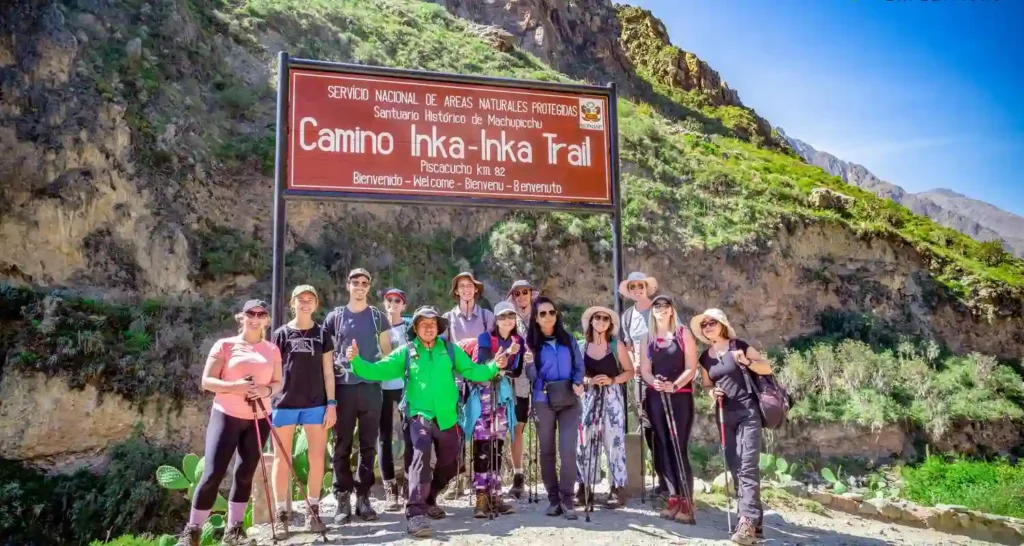
The Classic Inca Trail is the most iconic trek in South America and one of the most celebrated hiking routes on the planet. Covering approximately 43 kilometers over 4 days and 3 nights, this legendary path winds through cloud forests, alpine tundra, and a series of breathtaking Inca ruins before delivering hikers to the Sun Gate (Inti Punku), where the first panoramic view of Machu Picchu unfolds at dawn in one of travel’s most unforgettable moments.
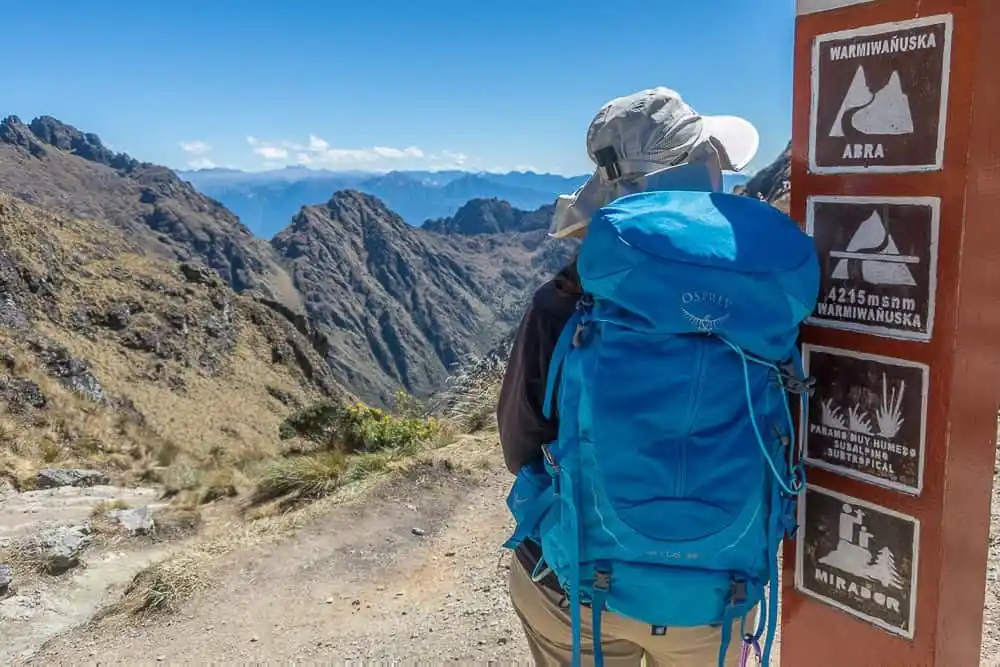
The trail begins at Kilometer 82 near Ollantaytambo and ascends to its highest point at Dead Woman’s Pass (Warmiwañusqa) at 4,215 meters above sea level on Day 2, with sweeping views of snow-capped Andean peaks stretching to the horizon. Because the Peruvian government limits access to just 500 permits per day including guides and porters, booking 5 to 6 months in advance is absolutely essential, especially for the peak dry season between May and September. Working with a specialized operator that offers inca trail tours is the most reliable way to secure permits on time, handle logistics, and ensure you have an experienced local guide who brings every ruin and mountain pass to life along the way. The trek is classified as moderate to challenging and is best suited for travelers who have spent at least two days acclimatizing in Cusco or the Sacred Valley beforehand.
You might also be interested in: Top 6 typical food of Peru you must try at least once
2. The Salkantay trek
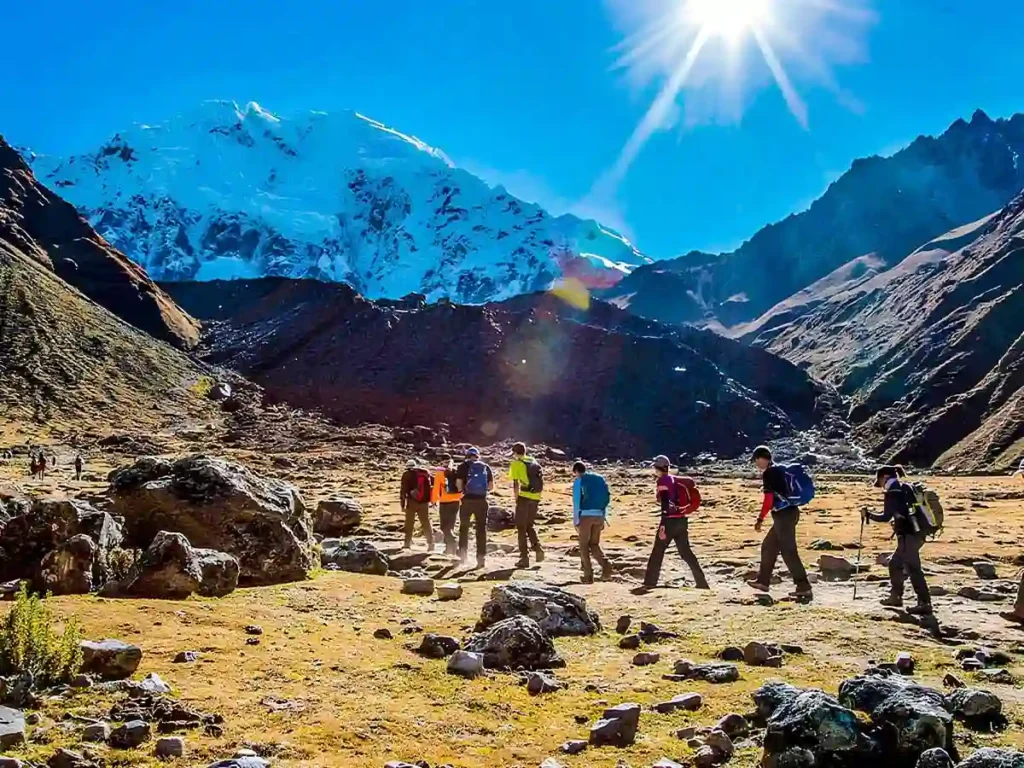
The Salkantay Trek has rapidly become the most popular alternative to the Classic Inca Trail and one of the 25 best treks in the world according to National Geographic. This 5-day, approximately 74-kilometer route circles the majestic Salkantay Mountain, known to the Inca as the “Savage Mountain,” which towers over the landscape at an imposing 6,271 meters. The defining moment comes on Day 2 when hikers cross the Salkantay Pass at 4,600 meters above sea level, a vast glacial amphitheater of ice, rock, and sky flanked by hanging glaciers and silent condors riding thermal currents overhead.
Unlike the Classic Inca Trail, the Salkantay Trek requires no advance permits, which makes it significantly more accessible for spontaneous travelers. The route descends dramatically from frozen highlands into warm, humid cloud forest over the following days, where orchids cling to mossy trees and the sound of rushing waterfalls replaces the howling Andean wind. The trek finishes at Aguas Calientes, the gateway to Machu Picchu, meaning trekkers still receive the iconic reward of visiting the ancient citadel on the final day.
3. The Lares Trek
For travelers who want to experience the living culture of the Andean highlands as much as the landscape itself, the Lares Trek offers an unparalleled window into a world that has changed very little since Inca times. This 3 to 4-day route covering roughly 30 to 40 kilometers winds through remote mountain villages in the Lares Valley, where Quechua-speaking communities maintain ancient weaving traditions, agricultural practices, and spiritual customs passed down across generations. The trek reaches its highest point at approximately 4,400 meters and passes through a series of stunning glacial lakes and high-altitude passes before descending into the warm Sacred Valley.
The Lares Trek concludes with a train ride from Ollantaytambo to Aguas Calientes followed by a visit to Machu Picchu, giving trekkers the best of both worlds: authentic cultural immersion and one of the world’s greatest archaeological wonders. Along the way, hikers encounter local women dressed in brilliantly colored traditional textiles whose intricate patterns tell stories about community, family lineage, and their place in the cosmos. The trail is classified as moderate, making it accessible to a wider range of fitness levels and one of the best options for families with older children or trekkers who prioritize cultural experience over extreme physical challenge.
You might also be interested in: Top 10 Places to visit in Lima Peru in 2026
4. The Choquequirao Trek
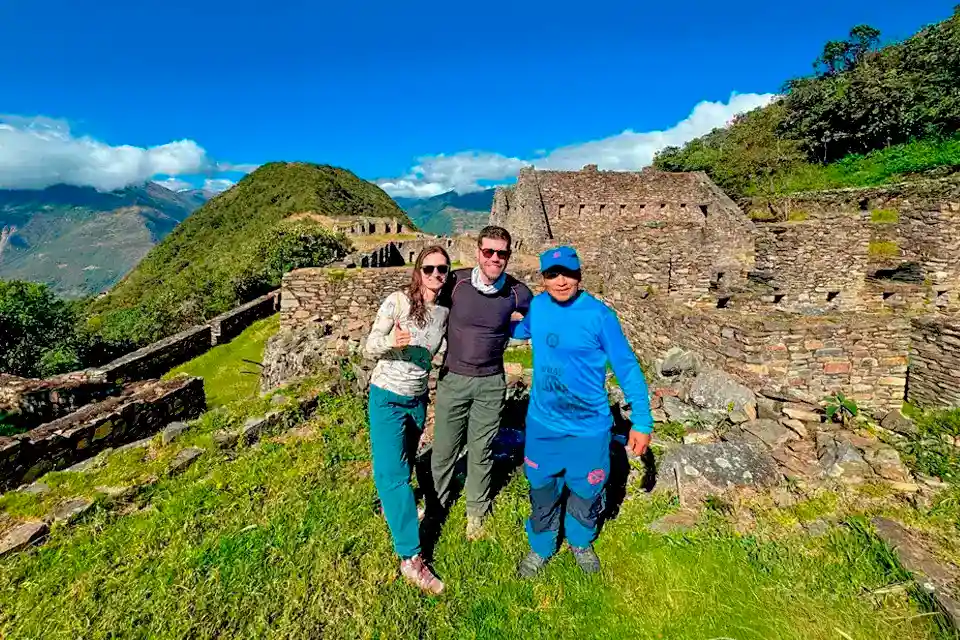
Often called the “other Machu Picchu,” Choquequirao is a vast and largely unexcavated Inca citadel perched at 3,033 meters above sea level in the remote Salkantay mountain range. The standard route covers approximately 50 kilometers over 4 to 5 days and involves a brutal descent of 1,500 meters into the Apurímac River canyon, followed by an equally demanding climb on the other side. What makes this trek truly extraordinary is not just the ruins themselves, estimated to be even larger than Machu Picchu with only about 30% excavated to date, but the exclusivity: fewer than 100 visitors make the journey on any given day.
The ruins reward every ounce of effort. Unlike Machu Picchu, visitors to Choquequirao can explore the terraces, temples, and residential quarters in near-total solitude, with nothing but the sound of the wind and distant waterfalls for company. A longer 8 to 10-day variation connects Choquequirao to Machu Picchu via the Salkantay Pass, creating what many experienced trekkers consider the single greatest multi-day adventure available in South America today.
5. The Ausangate Circuit
The Ausangate Circuit is Peru’s premier high-altitude trekking experience and one of the most spiritually significant journeys in the entire Andes. Circling the sacred Ausangate Mountain, the most revered Apu or mountain deity in the Cusco region standing at 6,384 meters, this 5 to 7-day approximately 70-kilometer route traverses four mountain passes all above 5,000 meters, with turquoise glacial lakes reflecting snow-capped peaks, vast pampas dotted with llamas and alpacas, and skies so clear they border on surreal. The famous Rainbow Mountain (Vinicunca) at 5,200 meters is included in most itineraries, allowing trekkers to experience this natural wonder not as a crowded day-trip but as one breathtaking chapter within a much larger wilderness epic.
Because all passes exceed 5,000 meters, the Ausangate Circuit is strictly recommended for trekkers who are fully acclimatized and in excellent physical condition. The route passes through the communities of Tinki, Upis, Pacchanta, and Pitumarca, where the warm hospitality of Quechua-speaking herders offers a profound contrast to the wild, unforgiving landscape above. Accommodation is in small locally run mountain lodges or camping, and the entire circuit is best attempted between May and October when trail conditions are stable and skies are reliably clear.
6. Rainbow Mountain Day Trek (Vinicunca)
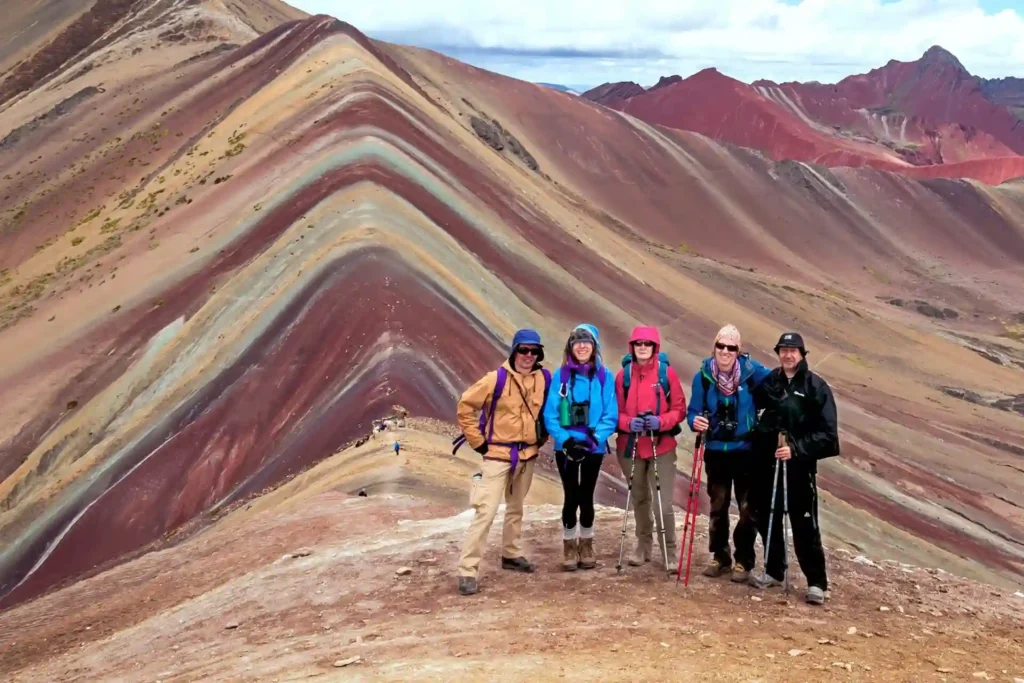
Rainbow Mountain, known locally as Vinicunca or Montaña de Siete Colores, burst onto the global travel scene around 2015 and has since become one of Peru’s most photographed natural wonders. Located approximately 3 hours by road from Cusco, this extraordinary peak reaches 5,200 meters above sea level and owes its spectacular bands of red, gold, green, and purple to the exposure of ancient mineral-rich sedimentary layers painted over millions of years by iron oxide, sulfur, and chlorite. The day trek from the trailhead covers roughly 10 kilometers round trip and gains approximately 300 meters in altitude over terrain that is deceptively challenging due to the thin air.
The key to enjoying Rainbow Mountain is proper preparation. Spending at least two full days acclimatizing in Cusco at 3,400 meters before attempting the trek is strongly recommended, as altitude sickness can affect even fit travelers who ascend too quickly. The best time to visit is between April and November during the dry season, when the colored minerals are most vivid and the summit is free of snow. Most visitors depart Cusco before dawn to reach the peak by mid-morning and avoid both afternoon clouds and the growing crowds that arrive later in the day.
7. The Inca Jungle Trek
The Inca Jungle Trek is the most adventurous and adrenaline-fueled route to Machu Picchu, combining trekking with mountain biking, zip-lining, white-water rafting, and a visit to natural hot springs along a 4-day, multi-sport itinerary that descends from the Andes into the Amazon cloud forest. For travelers looking for a local expert to organize this experience, agencies like amazon garden lodge specialize in crafting personalized inca jungle trek itineraries with professional guides, quality equipment, and seamless logistics from start to finish. The adventure begins with a thrilling 65-kilometer downhill mountain bike ride from the Malaga Pass at 4,350 meters into the subtropical town of Santa Maria, a descent of nearly 3,000 meters that takes riders through dramatic changes in vegetation, temperature, and landscape within a single morning.
The remaining days involve trekking along jungle paths and sections of original Inca road, crossing hanging bridges over rushing rivers, and ascending to the ancient town of Llactapata with its sweeping views of the Salkantay glacier before arriving at Aguas Calientes for the final visit to Machu Picchu. No permits are required and the trek operates year-round, making it one of the most flexible options available. It is particularly popular with younger travelers and groups looking for variety, physical challenge, and the kind of multi-sensory experience that a single-activity route simply cannot provide.
8. The Huayhuash Circuit
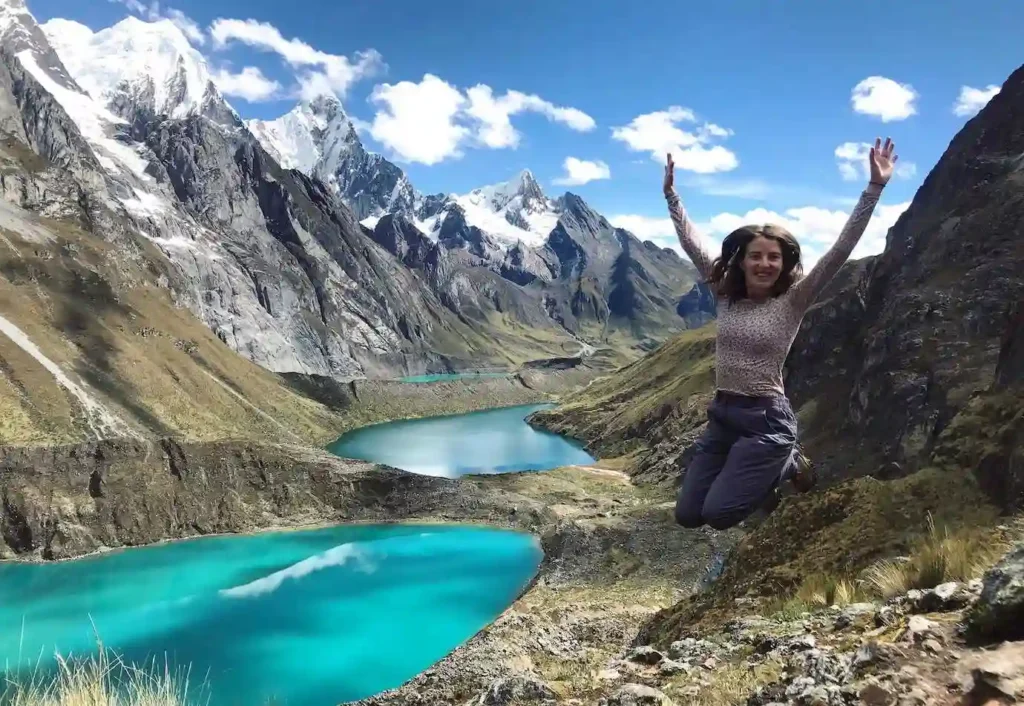
The Huayhuash Circuit is widely considered one of the greatest long-distance treks on Earth, a raw and remote 8 to 12-day journey of approximately 160 kilometers through the Cordillera Huayhuash, a compact but ferociously dramatic mountain range located roughly 300 kilometers north of Lima near the town of Chiquián. The circuit encircles a series of peaks that rank among the most technically challenging in the world, including Yerupajá at 6,634 meters, the second-highest mountain in Peru, and Siula Grande, made famous by Joe Simpson’s survival memoir “Touching the Void.”
The trek passes through turquoise glacial lakes, high pampas grazed by vicuñas, and remote Andean communities so isolated that outside contact remains limited to passing trekkers and the occasional supply mule. There are no tourist lodges on the full circuit, meaning campers must be fully self-sufficient or join an organized expedition with pack animals and a cook. The Huayhuash Circuit is rated as very challenging and requires excellent fitness, full acclimatization, and a genuine appetite for solitude and wilderness. Those who complete it almost universally describe it as the most extraordinary trekking experience of their lives.
9. The Santa Cruz Trek (Cordillera Blanca)
The Santa Cruz Trek is the crown jewel of the Cordillera Blanca, Peru’s high-altitude mountain range near the city of Huaraz and home to the highest concentration of tropical glaciers in the world. This 3 to 4-day, approximately 50-kilometer classic crosses the Punta Unión Pass at 4,750 meters and winds through a valley of breathtaking contrasts: thundering waterfalls, mirror-still turquoise lakes known as lagunas, and towering granite spires capped with permanent snow, including the iconic Alpamayo, once voted the most beautiful mountain in the world by a panel of international mountaineers.
The Santa Cruz Trek is classified as moderate, making it one of the most accessible multi-day high-altitude treks in Peru for well-prepared visitors. It begins in the village of Cashapampa and ends at Vaquería, or can be walked in reverse, and is best experienced between May and September during the Andean dry season. Unlike the Cusco region treks, no permits are required, and the Huaraz area offers exceptional acclimatization opportunities at nearby day-hike destinations like Laguna 69 before tackling the main route. For trekkers visiting Peru who want a spectacular Andean experience outside the standard Inca Trail circuit, Santa Cruz is an essential alternative.
10. The Colca Canyon Trek
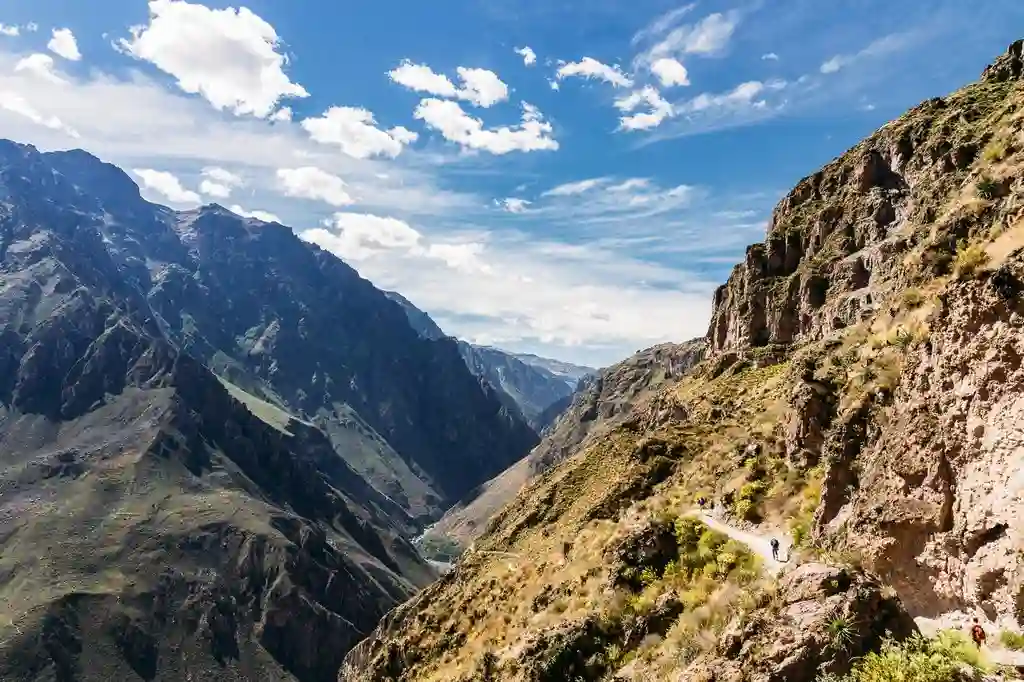
The Colca Canyon, located in the Arequipa region of southern Peru, is one of the deepest canyons in the world, plunging to a maximum depth of 3,270 meters, more than twice the depth of the Grand Canyon. The standard 2 to 3-day trek descends from the canyon rim near the town of Cabanaconde down a series of steep switchbacks to the canyon floor, where the lush oasis village of Sangalle sits amid palm trees and natural swimming pools at an elevation of approximately 2,200 meters, a surreal tropical refuge surrounded by walls of volcanic rock rising nearly vertical on all sides.
The return ascent is the most physically demanding section of the trek, a grueling 1,200-meter climb best started before dawn to avoid the fierce midday heat that radiates off the canyon walls. The journey to and from Cabanaconde also passes the Cruz del Cóndor viewpoint, where Andean condors with wingspans reaching 3.2 meters ride the morning thermals at eye level, often close enough to hear the wind passing through their feathers. The Colca Canyon trek is classified as moderate to challenging and is best combined with a visit to the colonial city of Arequipa, just 3 to 4 hours away by road.
11. The Cotahuasi Canyon Trek
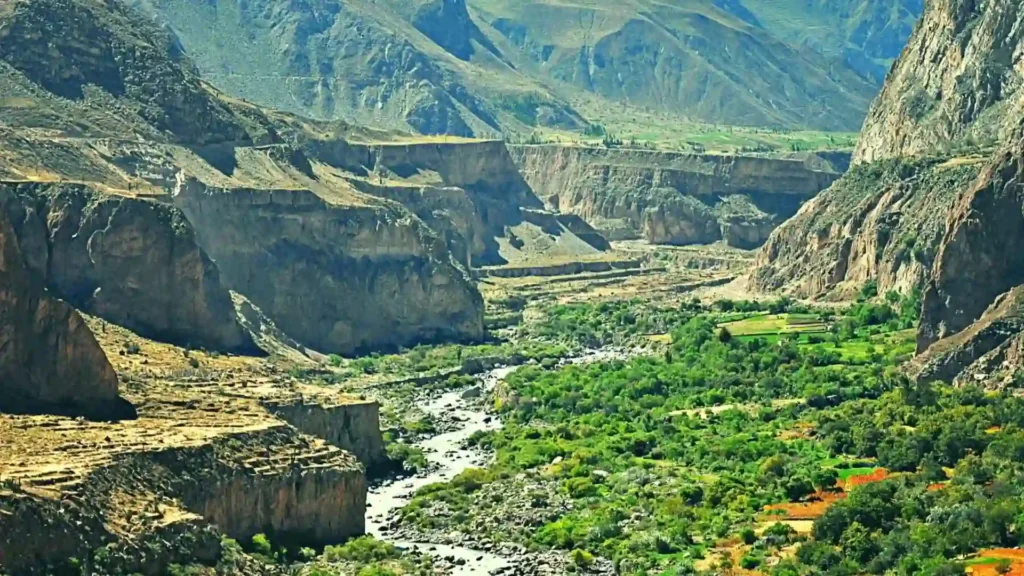
The Cotahuasi Canyon in the La Unión province of Arequipa holds the title of the deepest canyon in the world, reaching a verified depth of 3,535 meters, surpassing even its more famous neighbor Colca by over 250 meters. Despite this extraordinary distinction, Cotahuasi remains dramatically undervisited, making it one of Peru’s most authentic and rewarding off-the-beaten-path trekking destinations. The 4 to 7-day trekking routes through the canyon pass through pre-Inca ruins, thundering waterfalls including the spectacular Sipia Falls, ancient terraced agricultural fields still in use today, and villages where life moves at an unhurried Andean pace.
The canyon’s remote location, approximately 12 hours by road from Arequipa, acts as a natural filter that keeps visitor numbers low and the experience genuinely wild. Difficulty ranges from moderate to challenging depending on the specific route chosen, and the dramatic variation in altitude means trekkers pass through multiple climate zones in a single day, from the cold and windswept canyon rim to subtropical warmth along the river at the canyon floor. For experienced trekkers who have already done Colca or the Cusco circuit and are looking for something rawer, less visited, and more physically demanding, Cotahuasi is an outstanding choice.
12. The Manu National Park Trek
Manu National Park is one of the most biodiverse places on Earth, a UNESCO World Heritage Site and Biosphere Reserve covering nearly 1.7 million hectares of pristine Amazon rainforest and cloud forest in the Madre de Dios and Cusco regions. The trekking routes into Manu descend from the Andean highlands near Cusco at over 3,500 meters through successive bands of cloud forest, where spectacled bears, mountain tapirs, and hundreds of orchid species inhabit a landscape draped in moss and mist, before arriving at the lowland Amazon basin where jaguars, giant river otters, macaws, and over 1,000 bird species share the forest with indigenous communities who have called this wilderness home for thousands of years.
Multi-day treks into Manu range from 5 to 10 days and must be conducted with a licensed guide and authorized tour operator, as access to the core zone of the reserve is strictly controlled to protect its extraordinary ecological integrity. The trek is classified as moderate in terms of terrain but genuinely challenging in terms of heat, humidity, and the physical demands of jungle travel. It is best undertaken between May and October during the drier months, although the Amazon is never truly dry, and visitors should prepare for rain at any time. For nature lovers and wildlife enthusiasts, a trekking expedition into Manu is simply without equal anywhere in the world.
13. The Vilcabamba Trek
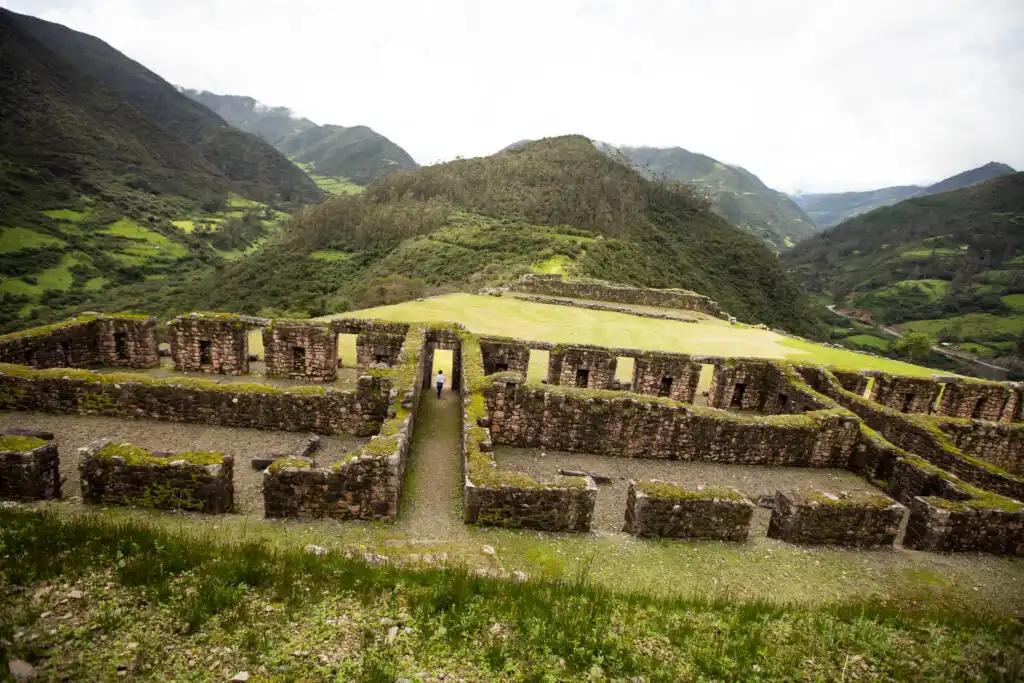
The Vilcabamba Trek leads to Espíritu Pampa, the “Plain of Spirits,” which historians believe to be Vilcabamba la Grande, the last refuge of the Inca Empire and the place where the last Inca emperor Túpac Amaru made his final stand against Spanish forces before his capture and execution in 1572. This 5 to 6-day trek of approximately 70 kilometers travels through dense cloud forest and jungle in one of the least-visited and most historically charged trekking corridors in all of Peru, passing Inca roads, terraces, and ceremonial sites that were only rediscovered by archaeologists in the 20th century.
The route begins near the town of Huancacalle and involves river crossings, steep jungle ascents, and long days of travel through terrain that feels genuinely remote and wild. The ruins at Espíritu Pampa are spread across a wide area of jungle and include plazas, fountains, temples, and residential sectors that give a vivid sense of the scale and sophistication of the Inca civilization even in exile. Because this trek requires logistics support, a knowledgeable guide, and a genuine spirit of adventure, it attracts a small and dedicated community of history-minded trekkers who leave with a profoundly different understanding of Inca history than any museum exhibit could provide.
14. The Ollantaytambo to Lares Trek
The Ollantaytambo to Lares Trek is a shorter but deeply rewarding 2 to 3-day option ideally suited for travelers who want to experience the beauty of the Sacred Valley highlands without committing to a longer multi-day expedition. Starting from the magnificent Inca fortress town of Ollantaytambo, the route climbs through terraced agricultural landscapes into high-altitude passes at around 4,200 meters before descending through Andean communities where traditional life continues largely unchanged. The views of the Sacred Valley below, framed by snow-capped peaks and patchwork fields of quinoa and potato, are consistently spectacular throughout the route.
This trek pairs exceptionally well with a broader Sacred Valley itinerary and can be combined with visits to the Ollantaytambo ruins, the salt pans of Maras, and the circular agricultural terraces of Moray before or after the hiking days. The trail is classified as moderate and is a strong option for travelers acclimatizing before a longer trek like the Classic Inca Trail or Salkantay, as it builds altitude tolerance gradually while offering genuine wilderness scenery. The route concludes at the thermal baths of Lares, where soaking in naturally heated mineral waters after two days on the trail is as satisfying a reward as any view from a mountain pass.
15. The Pastoruri Glacier and Pumapampa Trek
The Pastoruri Glacier Trek near Huaraz offers a uniquely sobering and visually dramatic trekking experience, combining high-altitude glaciology with one of the most extraordinary botanical spectacles anywhere in the Andes. The route at approximately 5,000 meters above sea level passes through a field of Puya Raimondi plants, the largest bromeliads in the world, which can grow up to 12 meters tall, live for up to 100 years, and bloom only once in their lifetime before dying. Seeing hundreds of these towering alien-looking plants clustered across a hillside against a backdrop of glaciated peaks is a sight unlike anything else in Peru.
Essential tips for trekking in Peru
Acclimatize before you trek. Most of Peru’s best trekking routes sit above 3,500 meters, and altitude sickness is the number one reason travelers have to abandon their trek early. Spend at least two full days in Cusco or Huaraz before hitting the trail, stay hydrated, avoid alcohol during your first days at altitude, and consider consulting a doctor about acetazolamide (Diamox) as a preventive measure.
Book permits well in advance. The Classic Inca Trail sells out months ahead of time, particularly between May and September. The government limits access to 500 people per day including guides and porters, so if you have a specific date in mind, secure your permit at least 4 to 6 months before your trip. Other popular routes like Rainbow Mountain and the Salkantay Trek do not require permits, but guided spots still fill up fast during peak season.
Choose the right season. The dry season between May and October is by far the best time to trek in Peru. Trails are stable, skies are clear, and mountain views are at their most spectacular. The wet season from November to April brings heavy rainfall, muddy paths, and frequent cloud cover, although some routes like the Inca Trail remain open year-round with appropriate wet weather gear.
Hire a local guide. Beyond being legally required on certain routes, a knowledgeable local guide transforms a good trek into an extraordinary one. They bring the history, ecology, and culture of each trail to life in ways no guidebook can replicate, know the terrain intimately, and provide an essential safety net in case of altitude issues or unexpected weather changes.
Pack light but pack smart. The golden rule of trekking anywhere in the world applies doubly at altitude in Peru, where every extra kilogram in your pack becomes significantly heavier above 4,000 meters. Essentials include a quality sleeping bag rated to at least minus 5 degrees Celsius, waterproof layers, trekking poles, high-SPF sunscreen, a water purification system, and broken-in hiking boots. Most organized tours provide camping equipment and meals, so confirm what is included before packing.
Train before you go. Peru’s trails are not the place to discover your fitness limits for the first time. Begin a cardio and leg-strength training program at least 8 to 12 weeks before your trip, incorporating long uphill walks with a loaded pack if possible. The better your base fitness, the more you will enjoy the experience rather than simply surviving it.
Best Time for Trekking Tours in Peru
The best time for trekking tours in Peru is during the dry season, which usually runs from May to September. During these months, hikers can expect clear skies, stable weather, and excellent conditions for exploring the Andes. This period is especially popular for iconic routes such as the Inca Trail, the Salkantay Trek, and the Ausangate Trek, where dry trails and panoramic mountain views make the experience even more rewarding.
The rainy season, which typically lasts from November to March, brings heavier rainfall to the Andes and can make some trails muddy or more challenging to access. Certain high-altitude routes may also experience landslides or temporary closures. For example, the Inca Trail is usually closed every February for maintenance and conservation.
However, trekking during the shoulder seasons (April and October) can be an excellent option if you want fewer crowds and beautiful mountain scenery. During these months, the landscapes are often greener after the rains, and the weather can still be favorable for many trekking routes.
It’s also important to remember that weather conditions vary across Peru’s regions. While the Andes follow a clear wet and dry season pattern, the Amazon rainforest remains humid year-round, and the coastal desert areas near Lima stay relatively dry most of the year.
If you’re planning trekking tours in Peru, it’s recommended to book your trip during the dry season and allow time to acclimatize to the altitude, especially if your trek starts in Cusco or other high-elevation areas of the Andes.
Trekking Tours in Peru FAQ
What is the most famous trekking tour in Peru?
The most famous trekking tour in Peru is the Inca Trail to Machu Picchu. This historic route follows ancient Inca paths through the Andes and ends at the Sun Gate overlooking Machu Picchu. Because of its popularity and limited permits, many trekking tours in Peru along the Inca Trail must be booked several months in advance.
Are trekking tours in Peru difficult?
The difficulty of trekking tours in Peru varies depending on the route. Some hikes, such as short day treks in the Sacred Valley, are suitable for beginners. However, multi-day treks like the Salkantay Trek or the Ausangate Trek can be physically demanding due to steep climbs and high altitude.
Do you need a guide for trekking in Peru?
For some trekking tours in Peru, hiring a licensed guide is mandatory. For example, the Inca Trail requires hikers to book through an authorized tour operator. Many travelers prefer guided trekking tours in Peru because they include transportation, meals, permits, and experienced guides.
How long are trekking tours in Peru?
Most trekking tours in Peru last between 2 and 5 days, depending on the route and difficulty level. The classic Inca Trail typically takes 4 days, while the Salkantay Trek usually lasts 4 to 5 days. Shorter one-day treks are also available near Cusco and other mountain regions.
What should I pack for trekking in Peru?
For trekking in Peru, hikers should bring comfortable hiking boots, warm layers, a waterproof jacket, sunscreen, a hat, and a reusable water bottle. Since many treks take place at high altitude, it’s also recommended to pack basic medication for altitude sickness and stay well hydrated.
Is altitude sickness common on trekking tours in Peru?
Yes, altitude sickness can affect travelers trekking in regions around Cusco and the Andes where elevations often exceed 3,000 meters (9,800 ft). Spending a few days acclimatizing before starting your trek can help reduce symptoms.
What are the best regions for trekking in Peru?
Some of the best regions for trekking in Peru include Cusco, Huaraz, and the Sacred Valley. These areas offer spectacular mountain scenery, ancient Inca trails, and a wide variety of trekking routes suitable for different experience levels.
