




Visit Puno, and you’ll find yourself in a place where the Andes touch the sky and tradition flows as deeply as the waters of Lake Titicaca. Perched at over 3,800 meters above sea level, this soulful city is more than just a gateway to the lake, it’s a cultural heartbeat of southern Peru. With its lively festivals, intricate folklore, and surreal high-altitude landscapes, Puno invites you to slow down, breathe deeply, and experience a side of Peru that feels both timeless and alive.
But if you’re thinking of heading there in 2026, the when is just as important as the where. Whether you’re hoping to dance alongside locals during the Virgen de la Candelaria, glide across the lake under bright blue skies, or simply avoid the rush of tourists, timing your visit well can elevate your entire journey. This guide is here to help you plan the perfect moment to step into Puno’s magic.
You may also be interested in: Guide to traveling with kids | How to ensure everyone enjoys
Understanding Puno’s weather patterns
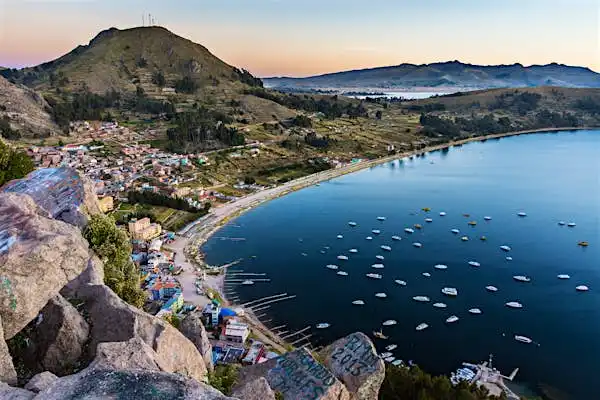
Nestled high in the Andes at over 3,800 meters (12,500 feet) above sea level, Puno experiences a crisp high-altitude climate with two distinct seasons: dry and rainy. If you plan to visit Puno, understanding what to expect from the weather can help you enjoy a smoother, more comfortable trip. Being prepared for temperature changes and seasonal rainfall makes all the difference when exploring the city, Lake Titicaca, and the surrounding landscapes.
Dry Season
(May to September) This is hands-down the best time to explore Puno. Days are typically clear and sunny, with temperatures around 15°C (59°F) perfect for boat rides on Lake Titicaca or visits to the Uros floating islands. Nights, however, can be chilly, often dipping below freezing, so warm layers are essential. During these months, you’ll enjoy postcard-worthy views and the best conditions for hiking, cultural excursions, and Puno tours that take you deep into Andean life.
Rainy Season
(October to April) Though the rains usually come in the afternoon, they can affect outdoor activities and travel logistics. That said, the landscape is stunning, lush, green, and alive. It’s also a quieter time to visit, with fewer tourists and more affordable accommodations. If you don’t mind a little drizzle, it can be a peaceful and deeply rewarding time to connect with the local rhythm of life.
Pro tip: No matter the season, always pack for all conditions. Sunny mornings can turn into brisk afternoons, and high-altitude weather is famously unpredictable. Think layers, sun protection, and a good rain jacket, you’ll thank yourself later.
You may also be interested in: Machu Picchu Tours: The best Peru guided tours in Cusco
How to avoid the crowds when you visit Puno
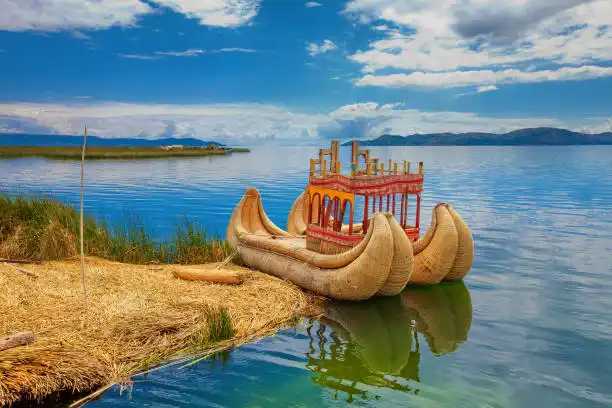
Knowing when to visit Puno isn’t just about the weather, it’s also about crowd levels, pricing, and how immersive you want your experience to be. As a key stop along the Peru – Bolivia route and a cultural hotspot in the Andes, Puno sees varying waves of travelers throughout the year. With the right timing, you can enjoy everything this magical region offers, without the stress of overcrowded tours or fully booked hotels.
High Season
(June to August) These months fall during Peru’s dry season and align with summer holidays in the Northern Hemisphere, making it the busiest time to explore the city. You’ll benefit from ideal weather clear skies, cool temperatures, and calm lake conditions, which is why most Puno tours are in full swing during this period. However, expect peak prices for accommodation and larger tour groups, especially around Lake Titicaca. If you’re traveling during this window, booking ahead is essential.
Festival Season
(Early February): Looking for a cultural experience that stirs the soul? Plan your visit around the Fiesta de la Virgen de la Candelaria. This vibrant celebration fills the streets with folkloric dances, dazzling costumes, and a contagious energy that draws thousands of visitors each year. It’s one of the most iconic festivals in all of South America and an unforgettable reason to visit Puno. That said, hotels and tours get snapped up quickly, so early reservations are a must if you want to be part of the magic.
Low Season
(November to March) While this stretch is marked by the rainy season, it’s also the most peaceful time to explore the region. The occasional showers keep many tourists away, leaving you with quieter streets, more personalized service, and the chance to see a more authentic, unhurried side of Puno. It’s also a great time to find deals on lodging and excursions. If you’re someone who prefers depth over crowds, this might just be your sweet spot.
If you want the best of both worlds, pleasant weather and manageable crowds, consider traveling during the shoulder months of April, May, or September. You’ll enjoy mild conditions, greater availability for top-rated Puno tours, and a more relaxed vibe all around.
You may also like: Short vs Long Trekking Tours in the Peruvian Andes
Top Lake Titicaca tours to take when you visit Puno
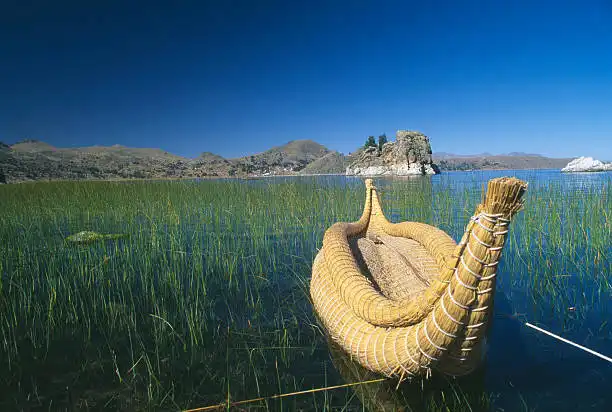
If you’re planning to visit Puno, there’s one experience you absolutely can’t miss: exploring the shimmering waters of Lake Titicaca. As the highest navigable lake in the world and a place steeped in Andean myth and tradition, it’s no wonder this lake is the crown jewel of the region. From quick cultural glimpses to immersive overnight adventures, there’s a tour for every kind of traveler.
Here are some of the most memorable ways to experience the magic of Lake Titicaca:
1. Uros Floating Islands Tour
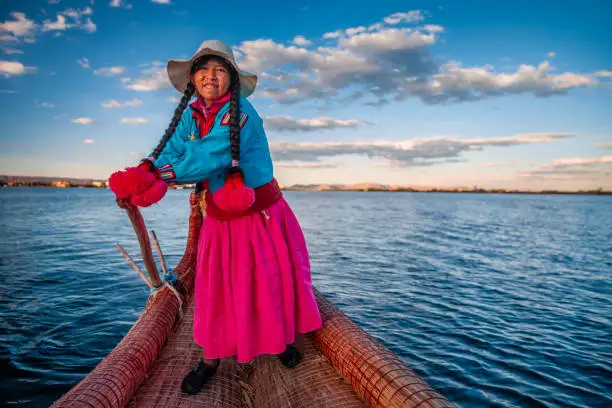
Step onto islands that float literally. Built entirely from totora reeds, the Uros Floating Islands are a testament to ancient ingenuity and resilience. The Uros people have lived on these handmade islands for generations, maintaining their unique lifestyle despite the modern world swirling around them. If you plan to visit Puno, this half day tour is a must. It’s family friendly and perfect for travelers short on time but eager for an authentic cultural experience that reveals the heart of Lake Titicaca.
2. Taquile & Amantani Island Experiences
Looking for something more immersive? Multi day trips to Taquile and Amantani islands offer a deeper look into Quechua traditions and daily life. You’ll stay overnight with a local host family, share home cooked Andean meals, and witness breathtaking sunsets from high altitude ridgelines. If you decide to visit Puno, a Lake Titicaca tour over 2 days is a popular and rewarding option. It’s perfect for travelers who want a slower, more meaningful pace, where cultural connection matters just as much as the views.
3. Kayaking on Lake Titicaca
For those craving a bit of adventure, kayaking through the tranquil waters of Lake Titicaca is an unforgettable way to connect with nature. Paddle through quiet reed channels, spot native birds, and approach the islands from a peaceful, low impact perspective. If you’re planning to visit Puno, this is a perfect option for couples, solo travelers, and anyone looking for a more active, off the beaten path experience on the lake.
4. Private Boat Tours
If comfort and exclusivity are high on your list, consider a luxury tour. Think: plush seating, gourmet meals on board, flexible itineraries, and the freedom to explore the lake at your own rhythm. If you’re looking to visit Puno for a romantic getaway or a special occasion, these private experiences offer a more refined way to enjoy the beauty of Lake Titicaca without the crowds.
You may also be interested in: 3 Unforgettable Things to Do in Cusco
Practical travel tips when you visit Puno
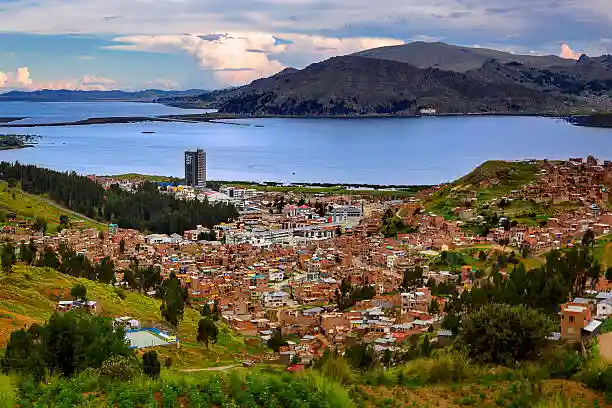
Whether you’re preparing for a scenic Lake Titicaca tour or diving into the rich culture of the Andean highlands, these practical travel tips will help you make the most of your journey as you visit Puno.
Altitude Acclimatization
Puno sits at over 3,800 meters (12,500 feet), which means altitude sickness is a real possibility. To enjoy your Lake Titicaca tour 2 days or any extended stay, spend at least a day or two acclimatizing in Cusco or Arequipa before arriving. Coca tea, slow walking, and staying well-rested can ease the transition.
Getting to Puno
The most popular ways to visit Puno are by bus or train from Cusco or Arequipa ,both scenic routes through the Andes. Alternatively, Juliaca Airport (about one hour away) offers convenient domestic flights. Once you arrive, it’s easy to connect with tours and excursions directly from the city.
Bring Local Currency
Cash is essential, especially on the islands and at local markets. Credit cards are not widely accepted in smaller shops or by artisan vendors, so carry small bills in Peruvian soles to pay for food, souvenirs, and tips during your Lake Titicaca tour.
Explore Local Markets
Don’t miss the lively Puno Market near the Plaza de Armas. It’s one of the best places to find handwoven textiles, traditional clothing, local cheeses, and colorful Andean crafts. Shopping here offers not only beautiful souvenirs, but also a chance to support local artisans directly.
Stay Hydrated
High elevation can quickly lead to dehydration. Keep a reusable water bottle with you, drink plenty of fluids, and enjoy herbal teas like coca or muña both known to help with altitude adjustment. This is especially important if you plan to hike, kayak, or participate in active segments of your Lake Titicaca tour while you visit Puno.
The best time to visit Puno depends on your travel style. Want the best weather and lively crowds? Head there in June or July. Looking for authentic experiences and fewer tourists? Consider February for the Candelaria festival or brave the rainy months for more solitude.
No matter when you go, Puno offers something unforgettable, whether it’s gliding across Lake Titicaca, joining a traditional dance during festival season, or watching the sun set behind the Andes. 2026 is shaping up to be a spectacular year to discover this cultural gem of Peru.
So pack your layers, book your boat tour, and get ready to visit Puno like never before.
