




Do you want to travel to Cusco and hike the Inca Trail but worry you’re not ready? Don’t worry, traveler! If you don’t know How to Train for the Inca Trail, this guide will help you prepare physically and mentally for the challenge. From building endurance and strength to acclimating to high altitudes, we’ll cover everything you need to ensure a safe and enjoyable trek to Machu Picchu.
You might also be interested in: Top 5 best inca trail tour companies
Why Training for the Inca Trail
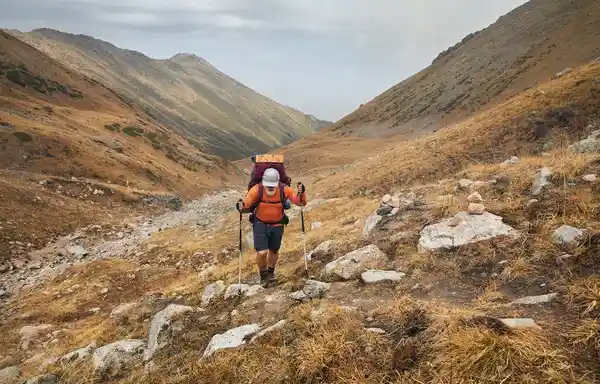
The Inca Trail isn’t just any hike it’s a physically demanding, high-altitude trek that tests your endurance, strength, and mental resilience. While it’s an incredible adventure, being unprepared can turn it into a struggle rather than an unforgettable experience. Here’s why training is essential before setting foot on this legendary path.
Altitude and Endurance: The Biggest Challenges
The Inca Trail reaches elevations over 4,200 meters (13,800 feet), where the air is thinner, making breathing harder and physical exertion more intense. Without proper preparation, you might experience altitude sickness, fatigue, and muscle soreness early on. Training helps your body adapt to prolonged exertion, reducing the risk of exhaustion.
Long Hiking Days with Tough Terrain
Over the course of 4 days and 26 miles (42 km), you’ll face steep inclines, rocky paths, and endless staircases. Some sections, like the infamous Dead Woman’s Pass, involve climbing more than 1,000 meters (3,280 feet) in a single day. Strength and endurance training will make these climbs feel more manageable, allowing you to enjoy the views instead of focusing on the pain.
Making the Most of Your Experience
Reaching Machu Picchu after days of effort is an unforgettable moment—but only if you’re feeling good enough to appreciate it. Being physically prepared means you’ll have the energy to soak in the scenery, enjoy the history, and fully embrace the adventure without being completely drained by the time you arrive.
How long is the Inca Trail Hike?
The Inca Trail is one of the most iconic trekking routes in the world, leading to the majestic citadel of Machu Picchu. The duration and distance of the hike vary depending on the chosen itinerary:
1. Classic Route (4 Days/3 Nights):
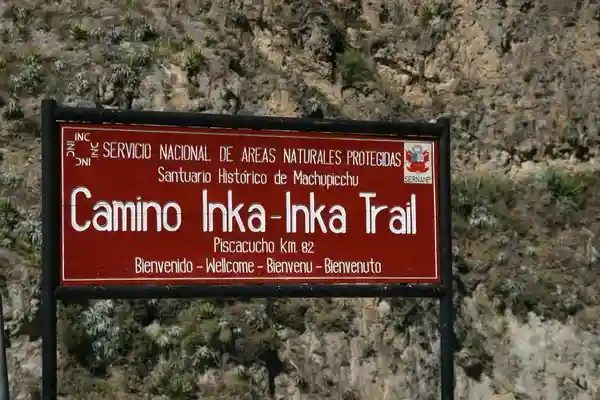
This is the most popular and traditional option. The hike begins at Kilometer 82 of the Cusco-Quillabamba railway, at an altitude of approximately 2,600 meters (8,530 feet).
Over 42 kilometers (26 miles), hikers traverse diverse ecosystems, from Andean valleys to cloud forests, reaching the highest point at Dead Woman’s Pass (4,215 meters / 13,828 feet). The trek ends at the Sun Gate (Inti Punku), offering the first breathtaking views of Machu Picchu.
2. Short Route (2 Days/1 Night):
For those with less time or looking for a less demanding trek, there is a shorter version starting at Kilometer 104.
This 12-kilometer (7.5-mile) trail includes a visit to the Wiñay Wayna archaeological site before reaching Machu Picchu. Due to conservation regulations, access to the Inca Trail is limited, and permits sell out months in advance. It’s highly recommended to book your trek early to secure your spot.
You might also be interested in: Peruvian Foods | A Culinary Journey
The challenges of Hiking the Inca Trail
Hiking the Inca Trail to Machu Picchu is an unforgettable experience, but it’s also one of the most challenging treks in the world. Unlike a casual nature walk, this trail tests your physical endurance, mental resilience, and adaptability to unpredictable conditions. Many hikers underestimate the difficulty, but knowing what to expect and how to train for the Inca Trail can make all the difference between struggling through the journey or truly enjoying it. If you’re looking to further challenge yourself in the Andes, The Ausangate 7 Lakes hike offers a breathtaking alternative, taking you through remote high-altitude landscapes, stunning glacial lakes, and traditional Andean villages for an even more immersive trekking adventure.
How long should you Train for the Inca Trail?
Preparing for the Inca Trail to Machu Picchu isn’t something you can do overnight. This high-altitude, multi-day trek demands endurance, strength, and proper conditioning. The amount of training time you need depends on your current fitness level, but most hikers should start training at least 8 to 12 weeks before the trek.
If You’re a Beginner
If you don’t exercise regularly or have little hiking experience, you’ll need a solid 3 to 4 months of consistent training. The goal is to build endurance, leg strength, and get used to carrying a backpack on uneven terrain.
- Start with short hikes (3–5 miles) on flat terrain and gradually increase distance.
- Incorporate cardio workouts like running, swimming, or cycling three to four times per week.
- Strengthen your legs with squats, lunges, and stair climbing.
- Get used to hiking with a loaded backpack to prepare for carrying gear on the trail.
If You’re Moderately Fit
If you already exercise and have some hiking experience, 2 to 3 months of structured training should be enough. You’ll want to focus on endurance, strength, and getting comfortable with long trekking days.
- Hike once or twice a week, gradually increasing elevation gain.
- Do stair or hill training to improve climbing endurance.
- Strength train with bodyweight exercises, step-ups, and weighted lunges.
- Train on rocky or uneven trails to prepare for real conditions.
If You’re an Experienced Hiker
If you’re already in great shape and used to long-distance hikes, four to six weeks (1 to 1.5 months) of focused preparation should be enough. Your main goal will be fine-tuning your endurance and adjusting to high altitude if possible.
- Hike at high elevations if possible to adapt to lower oxygen levels.
- Train with back-to-back long hikes to simulate consecutive trekking days.
- Strengthen your legs and core for better stability on rough terrain.
- Break in your hiking boots and test your gear to avoid surprises on the trail.
How to Train for the Inca Trail: Step-by-Step Preparation
The Inca Trail to Machu Picchu is a physically demanding trek that requires thorough preparation. Covering approximately 26 miles (42 km) over four days, the trail features steep ascents, rugged terrain, and high-altitude conditions that challenge even experienced hikers. Proper training is essential to ensure you complete the trek safely and enjoy the breathtaking scenery along the way.
- Assess your fitness level
Before starting your training plan, evaluate your current fitness level. This will help determine how much time and effort you need to prepare. If you lead a sedentary lifestyle or have little hiking experience, your training should start at least three to six months in advance. If you are moderately active, two to three months of preparation may be sufficient. Experienced hikers who are already in good shape may need only one to two months of focused training.
Consider any past injuries or medical conditions that could affect your ability to hike for multiple days. If necessary, consult a doctor before beginning an intense training program.
- How to train for the Inca Trail with effective cardio workouts
A structured training plan is essential to gradually build strength, endurance, and stamina. Your schedule should include a combination of cardio workouts, strength training, and flexibility exercises.
- Cardio Workouts: Aim for 30-60 minutes of moderate to high-intensity cardio, such as jogging, cycling, or brisk walking, at least four to five times a week. This helps improve lung capacity and overall endurance, both of which are crucial for hiking at high altitudes.
- Strength Training: Focus on exercises that build leg and core strength, such as squats, lunges, step-ups, and planks. Incorporate resistance training at least two to three times per week to prepare your muscles for long days of hiking.
Flexibility and Balance: Yoga and stretching exercises will improve flexibility and prevent injuries. Balance training, such as single-leg stands or stability ball exercises, will help you navigate uneven terrain with more confidence.
- Gradually increase hiking intensity
Hiking should be an essential part of your training regimen. Start with short, easy hikes and gradually increase distance, elevation gain, and difficulty. If possible, train on trails that mimic the conditions of the Inca Trail, including steep climbs and rocky paths.
To prepare for long trekking days, aim to hike for at least five to six hours at a time. If possible, practice consecutive-day hikes to simulate the back-to-back nature of the trek. Carrying a weighted backpack will also help condition your body for the load you’ll carry on the trail.
- Train for high altitude conditions
One of the biggest challenges of the Inca Trail is the altitude, with the highest point being Dead Woman’s Pass at 13,828 feet (4,215 meters). At high altitudes, the air contains less oxygen, which can lead to altitude sickness if your body isn’t prepared.
If you live near mountains or high-altitude areas, try to train there whenever possible. If you don’t have access to high elevations, improve your cardiovascular fitness through interval training and long-duration aerobic workouts. Arriving in Cusco a few days before the trek will also help your body acclimate to the altitude.
- Simulate real trekking conditions
To fully prepare for the Inca Trail, try to mimic real trekking conditions during your training. Wear the hiking boots you plan to use and break them in to avoid blisters. Train with a loaded backpack to get used to carrying your gear. Practice using trekking poles, as they can reduce strain on your knees and improve balance on steep sections. These habits not only help for the Inca Trail but also prepare you for other demanding trekking tours across the Andes.
Hiking on uneven and rocky terrain will help you develop stability and coordination. If you don’t have access to trails, use stair climbing as a substitute for elevation training. The more you replicate real conditions, the more comfortable you’ll feel on the actual trek.
- Prioritize recovery and nutrition
Rest is just as important as training. Overtraining can lead to injuries and fatigue, so make sure to schedule rest days into your routine. Aim for at least seven to nine hours of sleep per night to allow your muscles to recover.
Proper nutrition also plays a crucial role in training. Focus on a balanced diet rich in lean proteins, complex carbohydrates, and healthy fats. Staying hydrated is equally important, both during training and on the trail. While trekking, you’ll need to drink plenty of water to combat dehydration at high altitudes.
You might also be interested in: Best time to visit Peru: Arrive at the perfect moment
Tips for how to train for the Inca Trail
The Inca Trail to Machu Picchu is one of the world’s most famous trekking routes, offering breathtaking views, ancient ruins, and a rewarding experience. However, it’s also physically demanding due to the high altitude, steep ascents, and long hiking days. If you’re planning to take on the classic Inca Trail 4 Days route, proper preparation is essential to fully enjoy the journey and reach Machu Picchu with confidence. To ensure a successful and enjoyable trek, here are some essential tips:
- Train before your trek
Preparation is key. Start training at least 2 to 3 months before your hike, especially if you’re not used to long-distance trekking. Focus on:
Cardio workouts (hiking, running, cycling) to improve endurance.
Leg strength exercises (lunges, squats, stair climbing) to prepare for steep ascents.
Hiking with a weighted backpack to simulate real trail conditions.
- Acclimate to the altitude
The highest point of the Inca Trail is Dead Woman’s Pass (4,215 m / 13,828 ft), where altitude sickness can be a challenge. To reduce the risk:
Spend at least 2-3 days in Cusco or the Sacred Valley before your trek to acclimate.
Stay hydrated and avoid alcohol or heavy meals before hiking.
Walk at a steady pace and take deep breaths to conserve energy.
Consider altitude sickness medication if you’re prone to symptoms.
- Pack smart and light
Packing efficiently will make your trek more comfortable. Essentials include:
Broken-in hiking boots with good ankle support.
Lightweight, moisture-wicking clothing for layering (temperatures vary greatly).
A waterproof jacket and pants (rain is common year-round).
A comfortable backpack with essentials like snacks, water, sunscreen, and a camera.
Trekking poles, which help reduce strain on your knees.
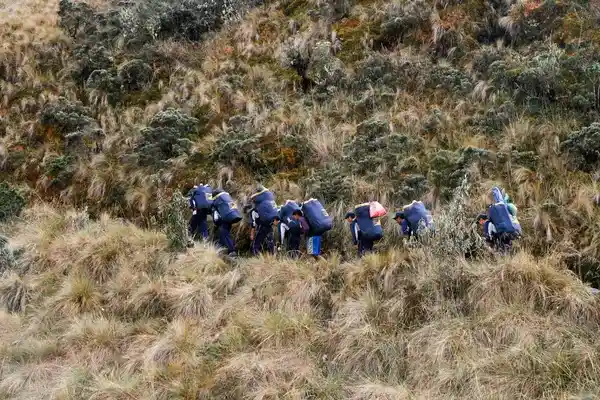
Porters will carry most of your gear (if you hire one), but your daypack should be comfortable and not too heavy.
- Stay hydrated and eat well
The combination of high altitude and physical exertion makes hydration crucial. Drink plenty of purified or filtered water throughout the hike. Many trekkers bring their own water purification tablets or a LifeStraw to avoid buying plastic bottles.
The provided meals on guided treks are usually nutritious, but it’s a good idea to bring snacks like nuts, granola bars, and dried fruit for extra energy.
- Pace Yourself and Enjoy the Journey
The Inca Trail is not a race take your time and enjoy the breathtaking scenery. Walk at a steady pace and take breaks as needed. The trail includes long ascents and steep descents, so conserving your energy is important. - Bring cash for tips and extras
If you’re hiking with a guided group, porters, guides, and cooks rely on tips as part of their income. Bring Peruvian soles in small denominations to tip at the end of the trek. You may also want cash for small purchases along the way.
Listen to your body and don’t push too hard, especially on the second day, which includes the toughest climb over Dead Woman’s Pass.
You might also be interested in: How to get to Waqrapukara?
How to train for the Inca Trail’s toughest sections
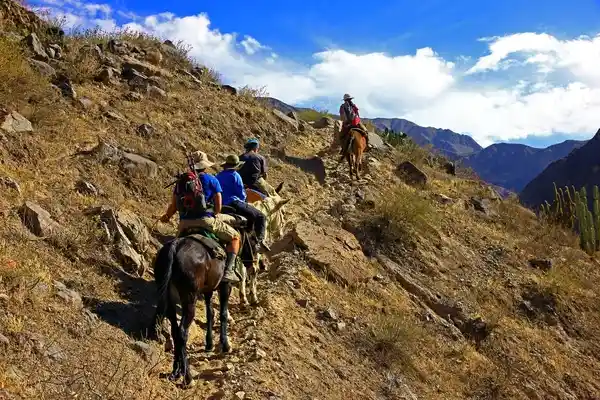
The final section of the Inca Trail to Machu Picchu is an unforgettable experience, blending physical effort with breathtaking rewards. For those looking for a shorter yet equally rewarding adventure, the Sacred Valley and Short Inca Trail 3 Days Tour to Machu Picchu Adventure offers a perfect alternative, combining the cultural richness of the Sacred Valley with a scenic trek that leads directly to the Sun Gate.
Inti Punku (The Sun Gate):
After days of hiking, trekkers arrive at Inti Punku, the ancient entrance to Machu Picchu. From here, you get a panoramic view of the citadel especially magical at sunrise.
Descending to Machu Picchu:
From the Sun Gate, a path leads down to the citadel, allowing visitors to explore its terraces, temples, and plazas. Arriving on foot adds a unique sense of accomplishment to the experience.
Weather Considerations:
The best time to hike the Inca Trail is during the dry season (April to October), with June being the coldest month and August offering more stable weather. From November to March, heavy rains are common, making the trail slippery.
Preparing for the Inca Trail is essential to ensure a safe, enjoyable, and rewarding journey through one of the most iconic trekking routes in the world. By following a structured training plan, acclimating to the altitude, and equipping yourself with the right gear, you’ll be ready to take on the challenge with confidence. Whether you’re an experienced hiker or a beginner, How to Train for the Inca Trail is about building endurance, strength, and mental resilience. Working with a trusted tour operator Peru can also make a huge difference, providing guidance, logistics, and support every step of the way. Start your preparation today, and soon you’ll be walking in the footsteps of the Incas, witnessing breathtaking landscapes, and experiencing the magic of Machu Picchu firsthand.
