




Peruvian foods have gained international recognition for their rich flavors, diverse ingredients, and deep cultural heritage. As one of the most varied cuisines in the world, traditional Peruvian foods reflect the fusion of indigenous, Spanish, African, and Asian influences. From the highlands of the Andes to the coastal regions, each dish tells a unique story of Peru’s history and cultural evolution.
You might also be interested in: 10 things to do before going overseas
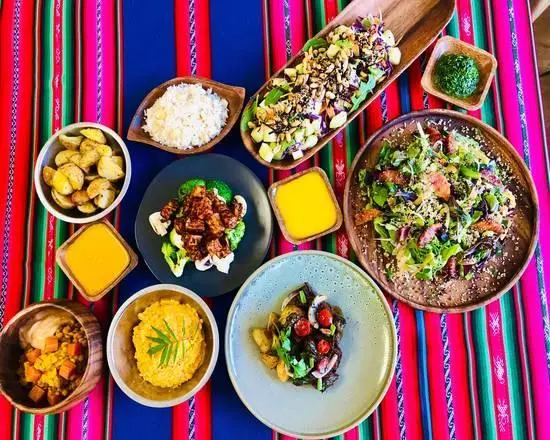
The Origins of Peruvian Cuisine
Before the arrival of the Spanish in the 16th century, indigenous Peruvians relied on native crops such as potatoes, quinoa, corn, and chili peppers. The Incas, who ruled over vast territories, developed advanced agricultural techniques that allowed them to cultivate these ingredients at different altitudes.
With the Spanish conquest, new ingredients such as wheat, rice, beef, pork, and dairy were introduced. This fusion gave birth to many of the traditional Peruvian foods that are still enjoyed today. Over the centuries, African, Chinese, and Japanese immigrants also contributed to the development of Peruvian cuisine, making it one of the most diverse and exciting in the world.
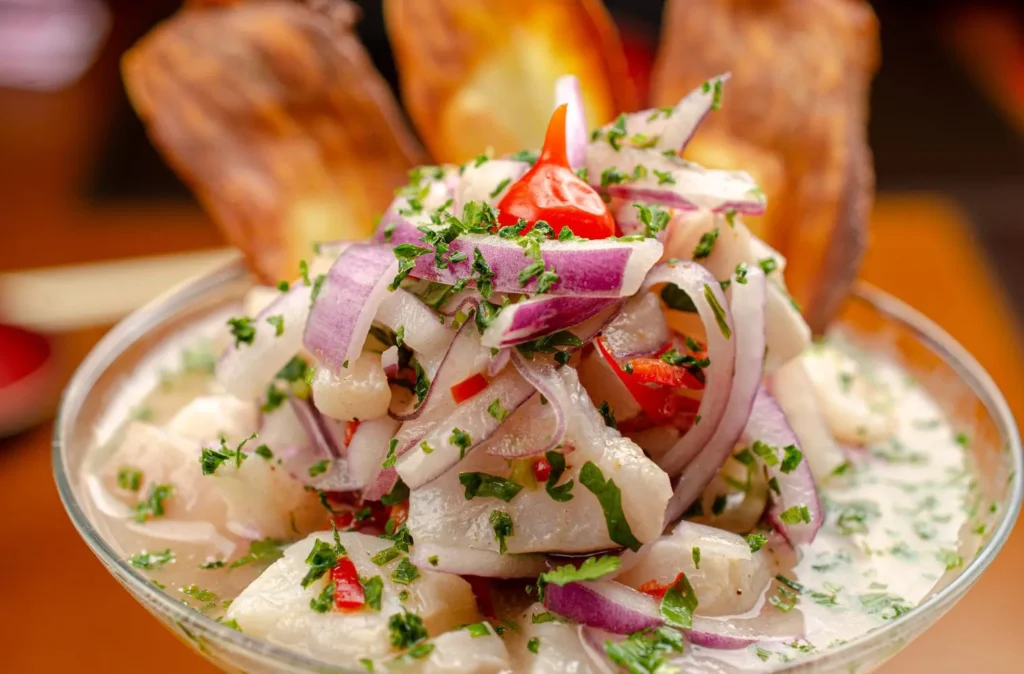
Ceviche: The National Dish of Peru
One of the most famous Peruvian foods is ceviche, a dish made with fresh raw fish marinated in lime juice, salt, and chili peppers. The origins of ceviche date back to the pre-Columbian era, when indigenous coastal communities prepared fish with local fruits and herbs.
During the Spanish colonial period, the dish evolved with the introduction of limes and onions, creating the modern ceviche known today. This traditional Peruvian food is typically served with sweet potatoes, corn, and cancha (toasted corn), highlighting the balance of flavors that define Peruvian cuisine.
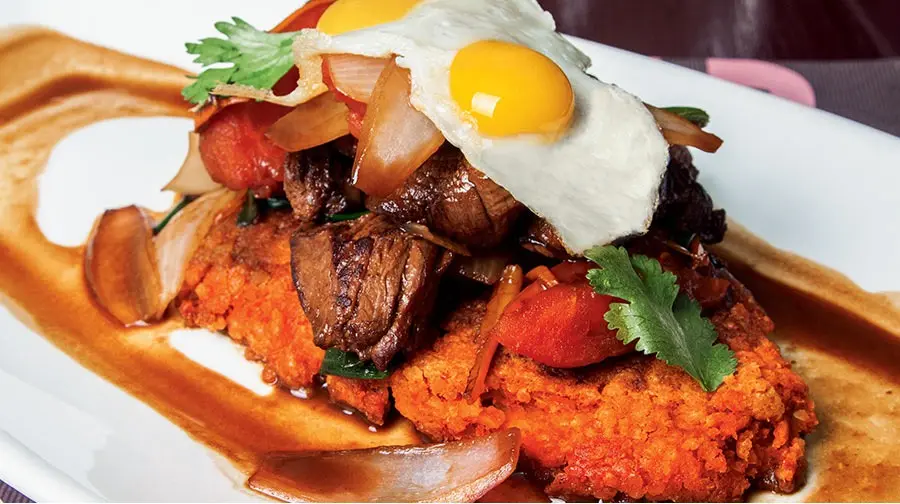
Lomo Saltado: A Fusion of Cultures
Lomo Saltado is a perfect example of how Peruvian foods have been influenced by different cultures. This dish consists of stir-fried beef, onions, tomatoes, and soy sauce, served with rice and French fries.
The origins of Lomo Saltado trace back to the 19th century when Chinese immigrants brought their wok-cooking techniques to Peru. The combination of Peruvian ingredients and Asian-style stir-frying created a unique dish that remains one of the most beloved traditional Peruvian foods.
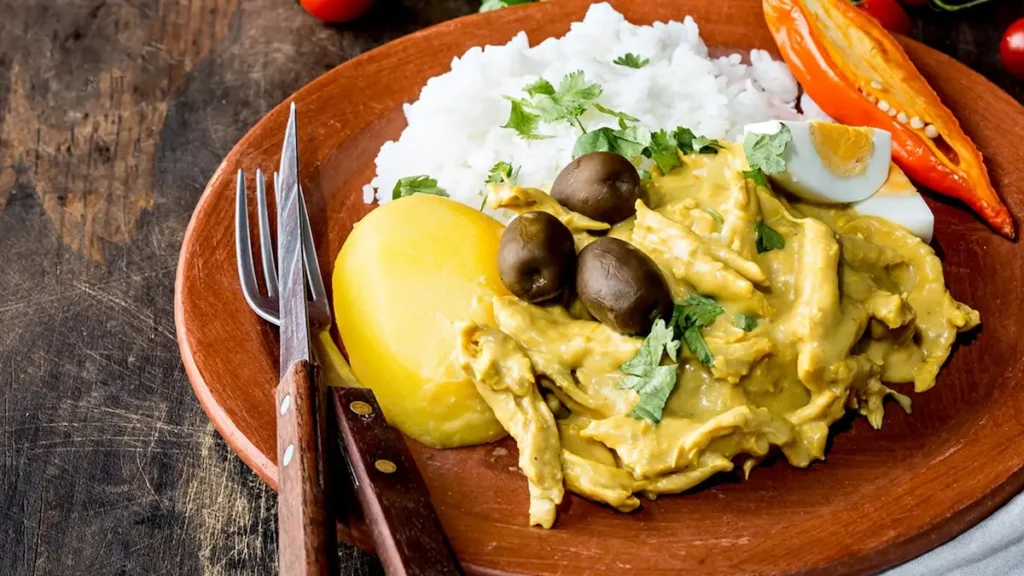
Aji de Gallina: A Colonial-Era Favorite
Aji de Gallina is a creamy chicken dish made with aji amarillo (yellow chili pepper), milk, bread, and cheese. The dish dates back to the colonial period, when Spanish cooks adapted European recipes using local ingredients.
Historians believe that Aji de Gallina was inspired by Spanish dishes like manjar blanco, a medieval almond-based sauce. Over time, Peruvians replaced almonds with cheese and added chili peppers, giving the dish its signature spicy and creamy texture. Today, Aji de Gallina is a staple of Peruvian foods, served with rice, boiled potatoes, and black olives.
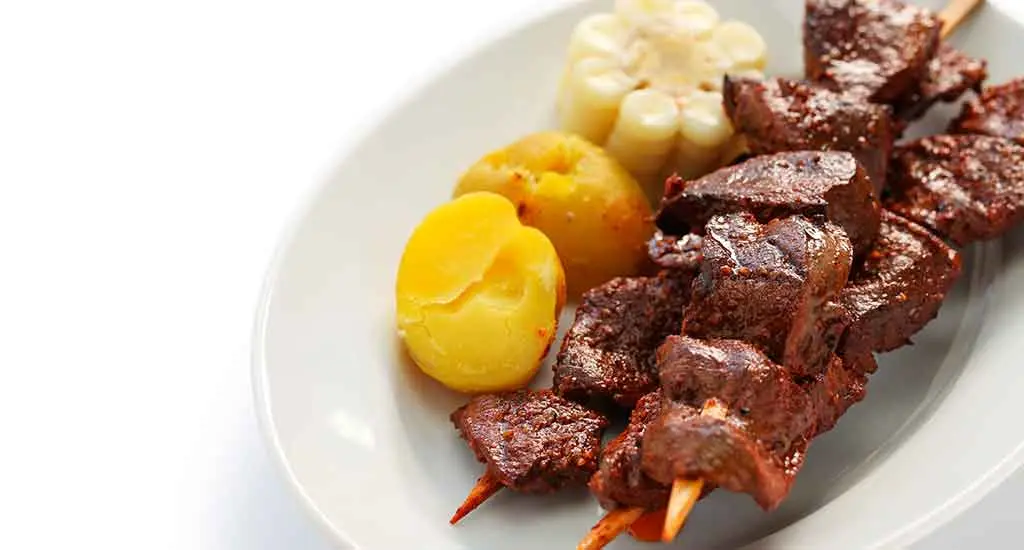
Anticuchos: A Taste of African Influence
During the Spanish colonial era, African slaves in Peru created anticuchos, a dish made from grilled beef heart marinated in vinegar, garlic, and Peruvian spices. Since the Spanish colonizers often reserved prime cuts of meat for themselves, enslaved Africans used the offal and transformed it into a flavorful delicacy.
Anticuchos quickly became a beloved street food and remain one of the most popular traditional Peruvian foods today. Served with potatoes and corn, these skewers are a must-try for visitors exploring Peruvian cuisine.
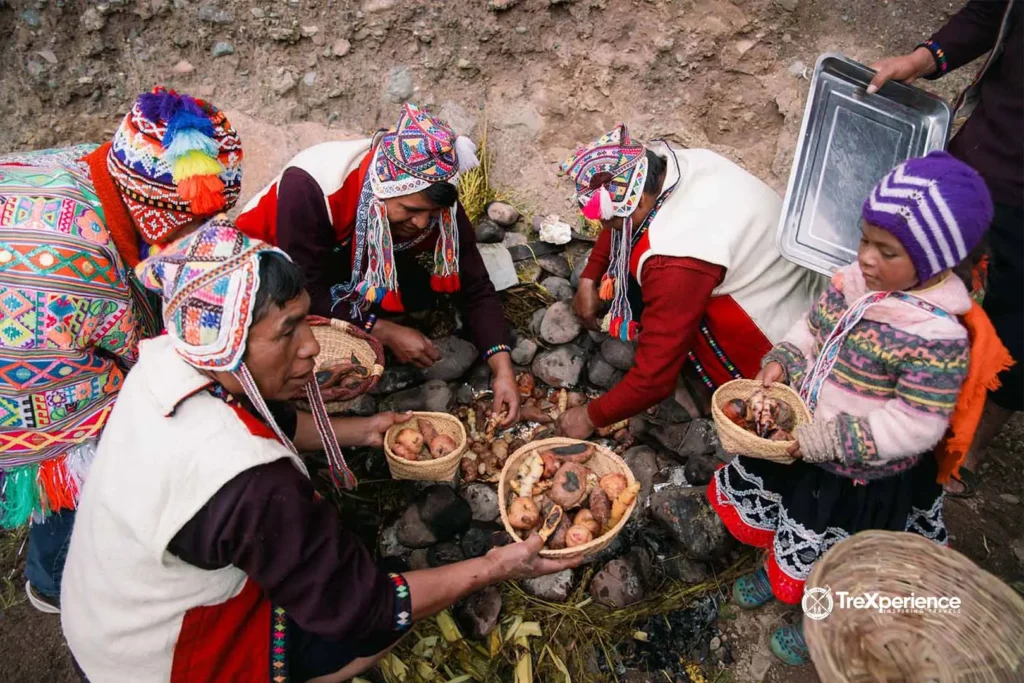
Pachamanca: An Ancient Cooking Tradition
Pachamanca is one of the oldest Peruvian foods, dating back to the Inca civilization. This traditional dish involves cooking various meats, potatoes, and vegetables in an underground oven using hot stones.
The name “Pachamanca” comes from the Quechua words “pacha” (earth) and “manca” (pot), meaning “earth oven.” This cooking method was used for communal celebrations and religious ceremonies, emphasizing the connection between food and nature in Andean culture.
Today, Pachamanca remains an important part of Peruvian foods, particularly in rural Andean communities, where it is prepared for special occasions.
You might also be interested in: 10 things to do before going overseas
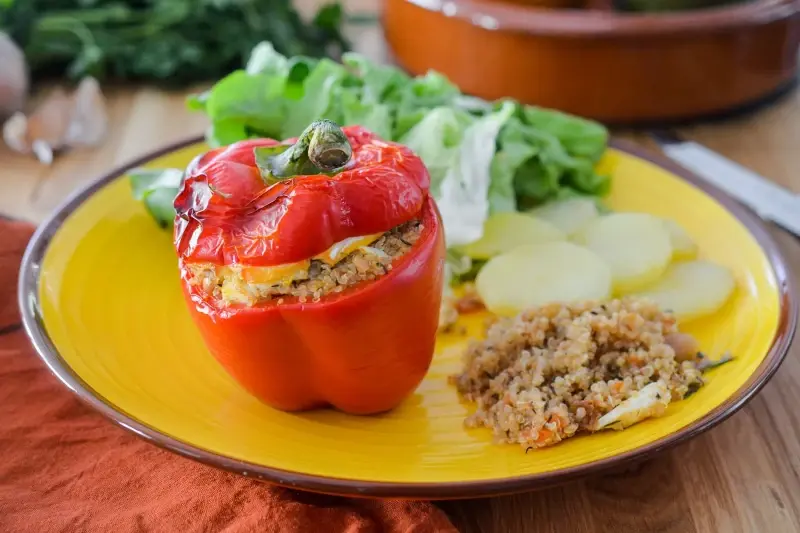
Rocoto Relleno: A Spicy Delight from Arequipa
The city of Arequipa is known for its rocoto relleno, a spicy dish made by stuffing a rocoto pepper with seasoned beef, cheese, and eggs. Although similar to stuffed bell peppers, rocoto is much spicier and gives this dish its distinctive heat.
The origins of rocoto relleno can be traced back to colonial times when Spanish settlers brought European stuffing techniques to Peru. However, the use of rocoto and local spices transformed the dish into a unique and flavorful representation of traditional Peruvian foods.
You might also be interested in: Where to stay in Arequipa Peru
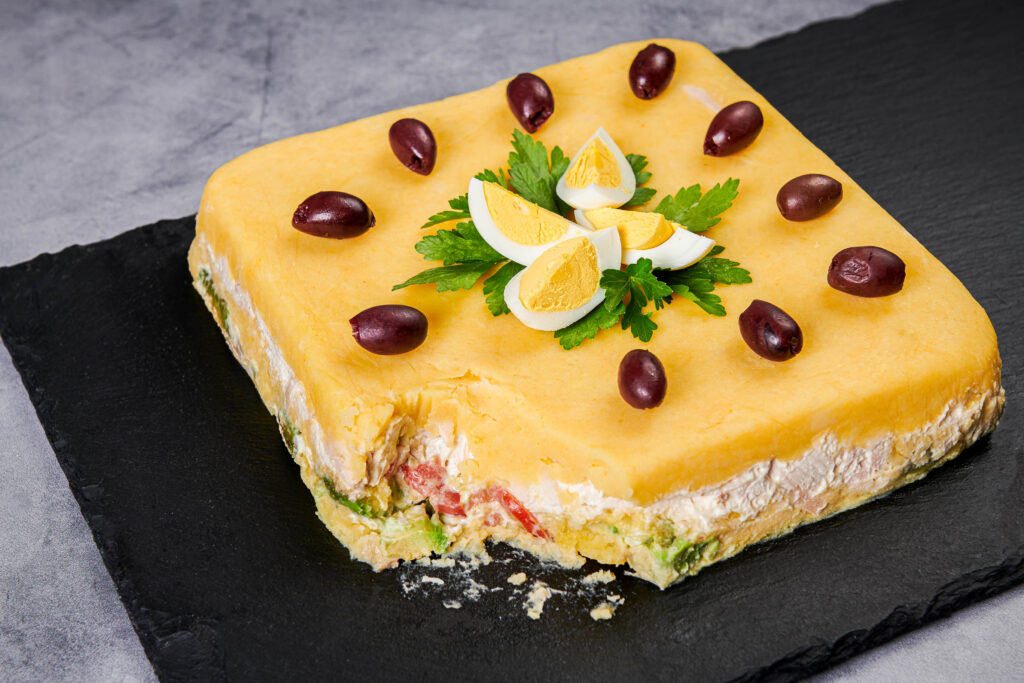
Causa: A Cold Dish with Deep Roots
Causa is a layered potato dish made with mashed yellow potatoes, lime juice, ají amarillo, and a filling such as tuna, chicken, or avocado. This dish has pre-Columbian origins, as potatoes were a staple of the Andean diet long before the Spanish arrived.
The name “Causa” is believed to come from the Quechua word “kausay,” meaning “life” or “sustenance.” Over time, Causa evolved into a versatile dish that is now a favorite appetizer in Peruvian foods.
You might also be interested in: Where to stay in Lima
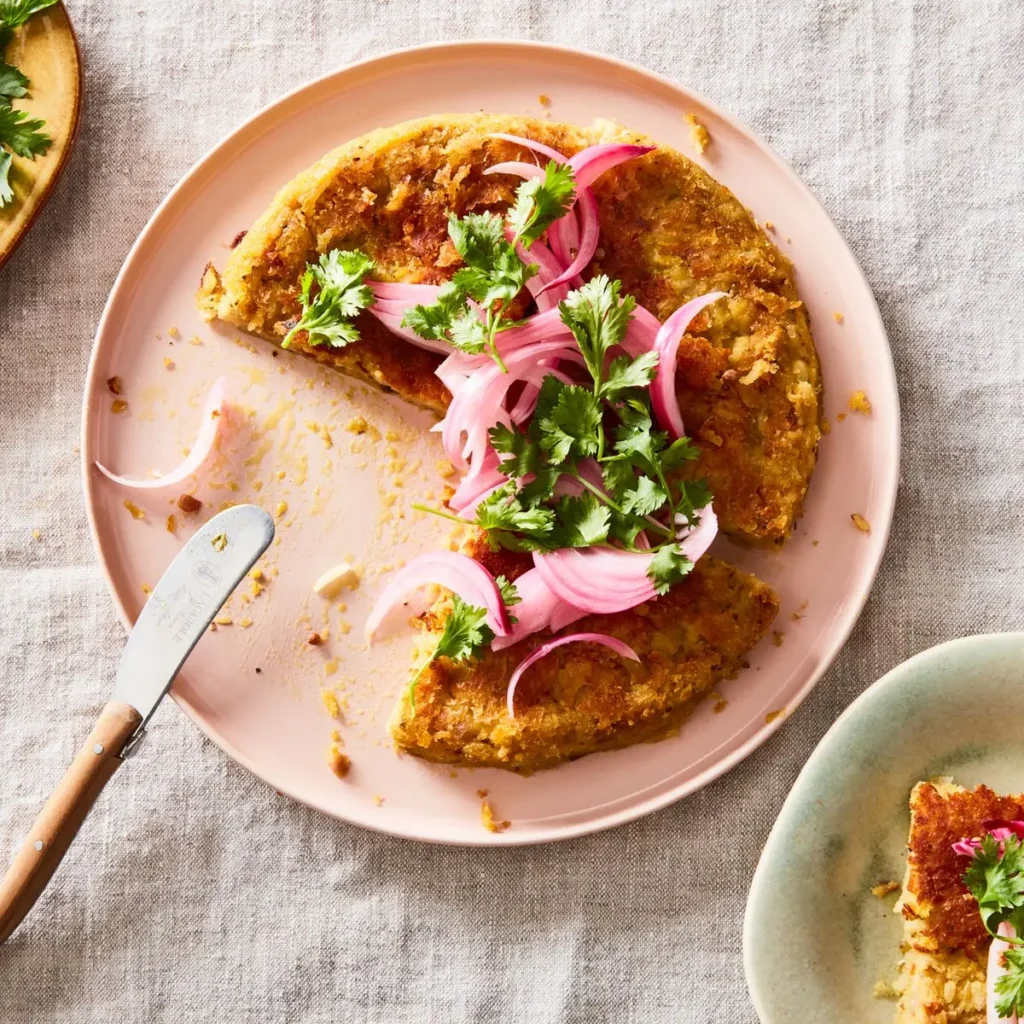
Tacu Tacu: The Legacy of Afro-Peruvian Cuisine
Another traditional Peruvian food with African influence is Tacu Tacu, a dish made with leftover rice and beans, fried together to form a crispy, flavorful patty. The origins of Tacu Tacu date back to the time of African slaves, who created the dish as a way to make use of leftovers.
Today, Tacu Tacu is often served with fried eggs, steak, or seafood, making it a satisfying meal that showcases the resourcefulness and creativity of Peruvian cuisine.
Additional Traditional Peruvian Foods
- Seco de Cordero: A lamb stew cooked with cilantro, beer, and Peruvian spices, originating from Spanish and indigenous culinary traditions.
- Juane: A dish from the Amazon region, made of rice, chicken, olives, and hard-boiled eggs wrapped in bijao leaves.
- Carapulcra: A dried potato stew with pork, peanuts, and aji panca, influenced by both indigenous and Spanish techniques.
- Chupe de Camarones: A shrimp chowder from Arequipa, made with milk, eggs, and potatoes.
- Arroz con Pato: A northern Peruvian specialty featuring rice cooked with duck, beer, and cilantro for a rich, aromatic flavor.
Conclusion
Peruvian foods offer a rich tapestry of flavors, history, and cultural influences that make them stand out on the global culinary stage. From the ancient traditions of the Incas to the multicultural influences brought by immigrants, traditional Peruvian foods continue to evolve while maintaining their deep-rooted heritage. Whether you’re enjoying a fresh ceviche on the coast or savoring a Pachamanca in the Andes, every dish tells a story of Peru’s past and its vibrant present.
For food lovers and travelers alike, experiencing Peruvian foods is not just about tasting delicious meals—it’s about connecting with history, culture, and the people who keep these culinary traditions alive.
