




Waqrapukara is one of the most spectacular Inca ruins in Peru and one of my top recommendations as an alternative to Machu Picchu. In this post, I’ll teach you everything you need to know about how to get to Waqrapukara, a stunning destination full of history, legends, and incredible landscapes. I’ll tell you about its location, history, the trek to get there, what to bring with you, and much more.
Waqrapukara is a hidden gem that offers a more serene and intimate experience compared to the crowded Machu Picchu. With its fascinating Inca architecture, breathtaking views, and rich cultural significance, this site is a must-visit for any traveler looking for adventure off the beaten path. Let’s dive in!
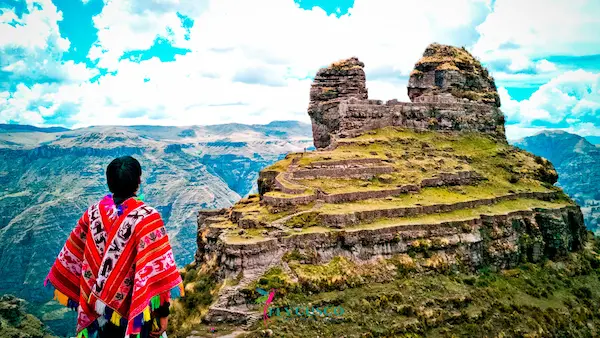
What is Waqrapukara?
Waqrapukara is an ancient Inca archaeological site located in the Peruvian Andes, specifically in the Cusco region. Its name comes from two Quechua words: Waqra, which means “horned” or “with horns”, and Pukará, which translates to “fortress”. This name refers to the large stone horns found at the site, which give the fortress a majestic and mysterious appearance.
Although Machu Picchu receives most of the international attention, Waqrapukara is an equally impressive destination, though far less visited. It is an Inca fortress that, unlike other more well-known Inca constructions, is situated in a more remote location, adding to its charm and the tranquility of its surroundings.
The site is located at 4,140 meters (13,583 feet) above sea level, on a rocky promontory that offers breathtaking views of the Apurímac River Canyon. The stunning geographic location and its defensive structure make Waqrapukara a unique place, ideal for those who seek a more intimate experience with Peru’s history and nature.
History of Waqrapukara: Strengths and Legends
The story of Waqrapukara is a fascinating blend of archaeology and legend, revealing a complex perspective on the ancient uses and meanings of this site during the Inca Empire. While Waqrapukara importance may not be as well-known as other Inca fortresses like Machu Picchu or Sacsayhuamán, its symbolism and strategic location testify to the cultural and spiritual richness of the Andean civilization.
Archaeological context and functionality
Waqrapukara, which roughly translates to “Horn Fortress” or “Fortress of the Horn” (in Quechua, Waqra means horn and Pukará means fortress), is situated on a rocky promontory in the southern region of Peru, in the department of Ayacucho, at about 3,400 meters above sea level. This location offers a panoramic view of the surrounding valleys, making it ideal both for defense and for controlling movements in the area. While most research agrees that it wasn’t a fortress intended for continuous military occupation, its construction on an elevated point reflects a clear intention for control and surveillance, key characteristics of Inca architecture.
Archaeologists have noted that the structure shows no signs of being a permanent residence or a site for large battles. Instead, evidence suggests that Waqrapukará was a ceremonial or pilgrimage site, used for important religious practices and rituals. It is possible that it was a center for cults dedicated to local deities, such as the sun or the mountains, which were central figures in Inca cosmology. Additionally, remains of altars, cultivation terraces, and stone walls have been found, suggesting that the site was used for ritualistic practices.
Legend of Waqrapukara
The legend of Waqrapukara, passed down through generations, centers around a romance between a common soldier and the daughter of one of the Inca’s closest generals. This narrative not only reflects the social customs and context of the time but also the Inca values of honor, bravery, and loyalty.
According to the legend, the soldier and the general’s daughter fell in love, but their relationship was disapproved of by the young woman’s father. Upon discovering the romance, he pursued the lovers. The couple took refuge at Waqrapukara, a seemingly inaccessible and well-protected place, where they faced the pursuit of the father. During the ensuing battle, the young soldier was defeated, but his bravery in the fight earned him the forgiveness of his father-in-law, who sent him north to face the Cañaris, a rival group to the Incas in what is now Ecuador.
This story highlights not only the dramatic and romantic elements of oral tradition but also the symbolic importance of Waqrapukara as a refuge, a place of resistance, and a pivotal moment in the lives of the characters involved.
Cultural importance of Waqrapukara
While the romantic legend of Waqrapukara is captivating, it should not divert attention from its likely spiritual role. Archaeological studies show that the fortress, in addition to its possible military function, likely played a prominent role in religious practices. The Incas had a profound connection to the spiritual world, and sites like Waqrapukara were centers for significant ceremonies. The worship of Inti (the sun god) and the veneration of the Apus (mountain deities) were central to Andean religion, and it is likely that Waqrapukara served as a point of connection with these divine forces.
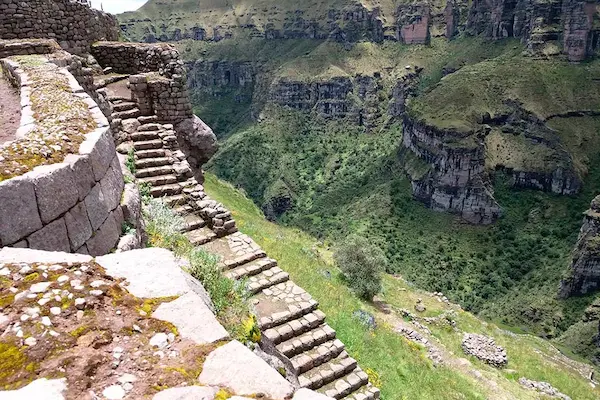
The configuration of the fortress structures, which includes open plazas, cultivation terraces, and monuments that appear to align with astronomical events, further supports the hypothesis that Waqrapukara served as a ceremonial site, rather than merely a military outpost. The presence of water channels, perfectly fitted stone walls, and other typical Inca engineering features suggests that this place also played a key role in the spiritual relationship the Incas had with their natural surroundings.
You might be interested: 10 things to do before going overseas
The location of Waqrapukara
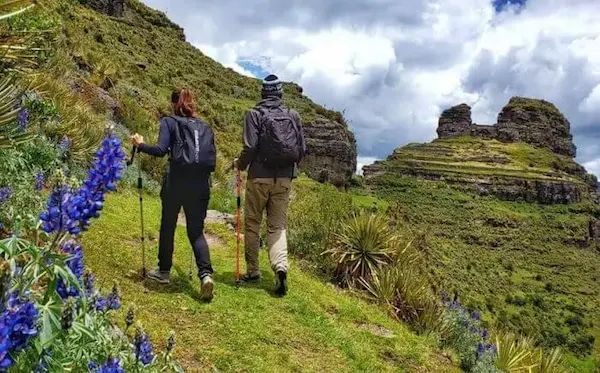
One of the most striking aspects of Waqrapukara is its location, which holds not only historical significance but also impressive scenic value. The site is situated on the edge of a cliff overlooking the Apurímac River Canyon, at an altitude of over 4,140 meters (13,583 feet) above sea level. This location offers spectacular views that rival those of Machu Picchu. From here, you can admire a landscape of towering mountains and the Apurímac River winding through the valley below.
Waqrapukara’s natural surroundings are what make it truly special. The Apurímac River Canyon sits at around 3,230 meters (10,597 feet) above sea level, creating a dramatic altitude difference between the ruins and the valley. This height contrast, coupled with the rock formations and lush vegetation surrounding the site, makes Waqrapukara an ideal location for nature lovers and hiking enthusiasts. Many Waqrapukara trek full day tours are available, allowing you to experience the beauty of the area and the majesty of the ruins in one unforgettable day trip..
How to reach Waqrapukara: Routes and hikes
Reaching Waqrapukara is an experience many describe as one of the most rewarding hikes of their lives. There are several routes to the site, each offering a different experience:
The Route from Acomayo
The most popular way to reach Waqrapukara is via Acomayo, a small town located in the Apurímac Valley. The trail from Acomayo passes through the beautiful Acomayo Canyon and offers a round-trip hike of approximately 10 kilometers (6.2 miles), although some reports suggest the actual distance is about 13 kilometers (8.1 miles). The journey offers hikers stunning views of the canyon, making it a visually enriching experience.
The Route from Sangarará
Another option is to start from Sangarará, a picturesque town located a few hours from Cusco. From here, you can take a local taxi to the trailhead in Aqokunka, which saves you several hours of uphill walking. This trail is shorter and provides more direct access to the ruins.
The Route from Santa Lucía
The shortest route to Waqrapukara begins in Santa Lucía, but the access is trickier as it requires driving along dirt roads. From the town, the trail is about a 2-hour round-trip hike, making it an excellent choice for those with limited time.
Recommendations for trekking to Waqrapukara
Trekking to Waqrapukara requires preparation, especially due to the altitude and changing weather conditions. Here are some tips to make your hike more comfortable and safe:
- Proper Clothing and footwear: Wear comfortable hiking shoes, preferably with good ankle support. Since the terrain can be uneven, hiking poles are also highly recommended. Additionally, weather conditions can change rapidly, so it’s advisable to dress in layers and bring a waterproof jacket or poncho.
- Hydration: Carry enough water. There are limited sources of drinking water on the way to Waqrapukara, so it’s recommended to bring at least 2 liters of water, or a portable water filter if you prefer. There is a stream halfway along the trail where you can refill your water bottle if you bring a filter.
- Altitude acclimatization: Since the site is over 4,000 meters (13,123 feet) above sea level, it’s important to allow yourself time to acclimatize before embarking on the hike. If you’re not used to the altitude, the trek could become more challenging than expected. It’s recommended to spend a few days in Cusco or another high-altitude location to adjust.
Accommodation and restaurants near Waqrapukara
If you want to stay overnight near Waqrapukara, we recommend staying in Sangarará, a charming historical town. Here, you’ll find options like Sara Wasi on Airbnb, a comfortable house with a kitchen and modern bathroom, ideal for those who prefer not to make the return journey to Cusco on the same day.
As for food, there’s a local restaurant that typically opens only when the cook has time. If you’re not visiting on market days, it’s best to bring snacks from Cusco or any nearby town. Sangarará is a quiet and picturesque village, perfect for relaxing after a challenging hike.
Legacy and preservation
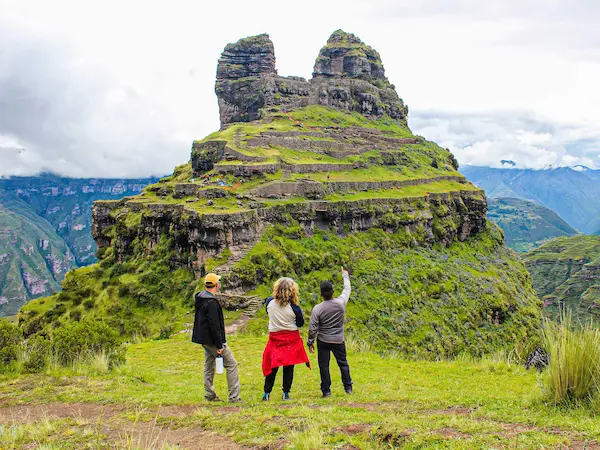
Today, Waqrapukara remains an important archaeological and cultural site, although it is less well-known compared to other great Inca cities. The fortress stands as a testament to the Inca’s mastery over the land and their sophisticated understanding of religion, warfare, and nature. The legend surrounding the site adds a layer of mysticism that continues to fuel fascination with this ancient structure.
Conservation and protection efforts are still necessary, as the site remains relatively isolated and has not received as much attention as other tourist destinations in Peru. However, Waqrapukara remains a lasting testament to Inca history and culture, and to the deep connection these people had with the spirituality and landscape that surrounded them.
In summary, the story of Waqrapukara is an intricate mix of archaeological facts and legendary tales that continue to capture interest. As more is discovered about its role in Inca life, it sheds light on the civilization’s complex relationship with the natural and spiritual world. If you want to visit this fascinating destination, many Peru tour operator offer tours to this place, giving you the chance to explore its rich history, spectacular landscapes, and the mysticism surrounding the fortress.
